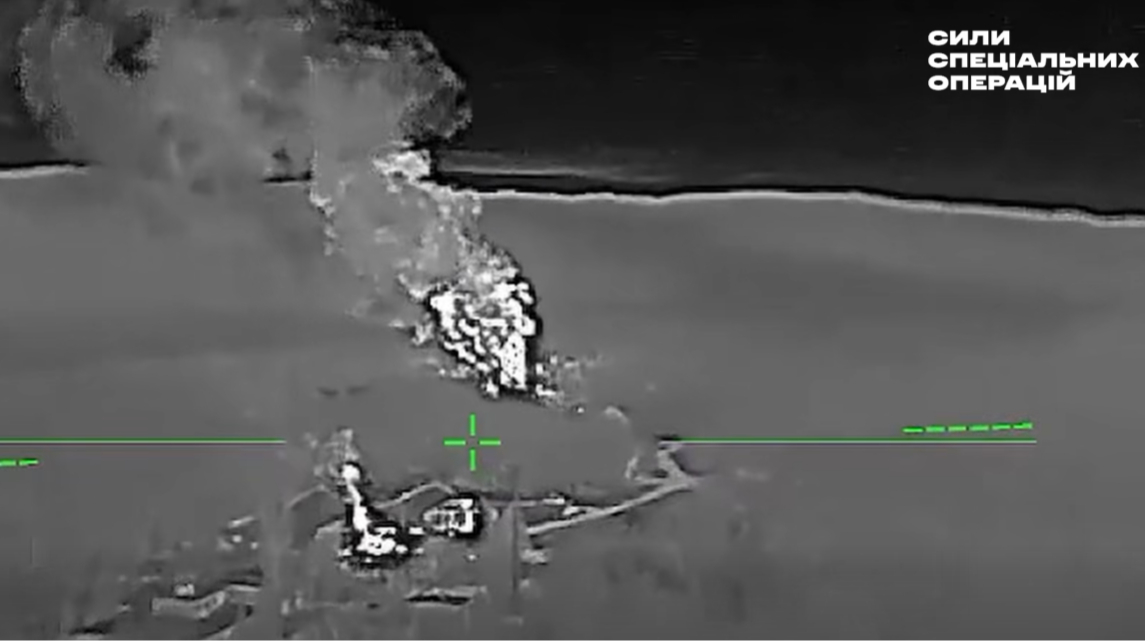

Strike on Russia: Ukrainian Attack Hits Tuapse Oil Refinery, Causing Evacuations
Ukrainian forces conducted a third strike on a Russian oil refinery in Tuapse, causing a fire that prompted evacuations and efforts to contain an oil spill.[1][4][5]
Overview of the Tuapse Refinery Strike
The strike on Russia targeted the Tuapse oil refinery, a significant facility located in the Black Sea port city of Tuapse, marking the third such Ukrainian attack on this site in less than two weeks.[1][4] Ukrainian military sources confirmed the operation, describing it as a drone attack that ignited a major fire at the refinery on Tuesday.[4][5] This installation, operated by Rosneft, plays a crucial role in Russia's fuel exports, underscoring its strategic importance in the ongoing conflict.[5] Previous strikes had already forced the refinery to halt operations, highlighting a pattern of repeated targeting that has disrupted its functionality.[5] The latest assault fits into a broader context of Ukrainian efforts to impair Russian energy infrastructure, with drones proving effective in reaching deep into Russian territory along the Black Sea coast.[4] Officials in Russia acknowledged the attack, noting its timing amid heightened tensions, as the port has become a focal point for these cross-border operations.[1][4] The precision of the drone strike, as evidenced by video footage showing flames erupting at the site, demonstrates Ukraine's growing capability in long-range unmanned operations against high-value targets.[5] This event builds on earlier incidents, where similar strikes caused initial damage and operational pauses, setting the stage for the escalated response seen in this third assault.[1][5]
Evacuations and Immediate Impacts
Following the Ukrainian drone strike on the Tuapse refinery, authorities ordered evacuations for residents living near the burning facility, as thick smoke and flames posed immediate risks to surrounding areas.[1][4][5] Videos circulating from the scene captured a massive fire engulfing parts of the refinery, with nearby buildings cleared to prevent harm from potential explosions or toxic fumes.[5] The incident also triggered an oil spill, prompting urgent containment efforts to mitigate environmental damage along the Black Sea coastline.[1] Local officials instructed those in proximity to leave their homes, emphasizing the scale of the blaze and the need for public safety measures.[1][4] This rapid response underscores the refinery's location in a populated urban area, where industrial hazards can quickly affect civilian life.[5] The fire's intensity, visible in shared footage, required coordinated firefighting operations, though initial reports focused on securing the perimeter and protecting adjacent infrastructure.[4][5] These immediate impacts reflect the cascading effects of such strikes, where military actions intersect with civilian and ecological concerns, forcing authorities to balance suppression of the fire with spill management.[1]
Additional Ukrainian Military Actions
Ukraine's Special Operations Forces (SOF) extended their operations beyond the Tuapse refinery with a drone strike on a storage site for Russian Iskander operational-tactical missile systems in occupied Crimea.[2] Conducted by the Middle Strike units of the SOF on the night of 27-28 April, this attack targeted a key logistics hub for Russian weaponry, demonstrating Ukraine's multi-front strategy.[2] Video evidence released by Ukrainian sources showed the drones effectively hitting the storage facility, which houses missiles critical to Russian operations in the region.[2] This action provides context for the broader scope of Ukrainian drone campaigns, which aim to degrade Russian supply lines and missile capabilities in Crimea, a territory occupied since 2014.[2] The timing, just prior to the Tuapse strike, illustrates synchronized efforts to pressure Russian forces across multiple theaters, from energy infrastructure on the mainland to armament depots in the peninsula.[2] Such operations highlight the evolving role of unmanned systems in Ukraine's arsenal, allowing strikes on fortified or remote targets with reduced risk to personnel.[2]
Related Incidents in Ukraine
In a reciprocal development, Russian forces launched a drone attack on Kyiv on 28 April, resulting in debris falling across residential areas and injuring one person.[3] Debris from the downed drones landed in the Shevchenkivskyi and Solomianskyi districts, including a cemetery and a construction site, prompting local alerts and emergency responses.[3] This incident underscores the tit-for-tat nature of aerial engagements, where Russian drone incursions mirror Ukrainian strikes on Russian soil.[3] The injury sustained by one individual highlights the human cost when such attacks reach urban centers, even if intercepted by air defenses.[3] Ukrainian authorities reported the debris scatter without widespread structural damage, but the event added to the strain on civilian infrastructure in the capital.[3] Occurring on the same day as reports of the Tuapse fire intensified, it frames the conflict's escalation through mutual drone warfare, affecting both sides' home fronts.[3]
Current Response and Status
Russian authorities are actively managing the aftermath of the Tuapse refinery strike, with the Kremlin confirming that measures are underway to address the fire and oil spill.[1][5] Firefighting teams continue efforts to extinguish the blaze, while specialized units work to contain the spill and prevent it from spreading into the Black Sea.[1][4] Evacuations remain in effect for nearby residents, with officials monitoring air quality and structural integrity around the site.[1][5] The refinery, a major Rosneft asset vital for fuel exports, faces prolonged disruptions following this third attack in quick succession, compounding prior halts in operations.[4][5] Ongoing reports indicate a focus on stabilization, as response teams coordinate to limit further environmental and economic fallout.[1] These efforts reflect standard protocols for industrial incidents in conflict zones, prioritizing containment and public safety amid operational challenges.[5]
What to watch next: Authorities in Tuapse will continue efforts to fully extinguish the fire and contain the oil spill, while monitoring for any escalation in Ukrainian drone operations against Russian energy sites or Crimea-based assets, as confirmed by recent military actions.[1][2][5]