
Strike on Iran: US Seizes Cargo Ship Near Hormuz Strait
In a significant escalation amid ongoing tensions, the United States conducted a strike on Iran by seizing or firing upon an Iranian-flagged cargo ship near the Strait of Hormuz while enforcing its naval blockade, prompting Iran to vow a swift response.[2][3] This incident, described as the first interception since the U.S. blockade of Iranian ports began last week, has drawn sharp condemnation from Tehran, which labeled it an act of piracy and a violation of a fragile ceasefire.[2] Hundreds of oil tankers remain stranded at the Strait of Hormuz after Iran shut the vital chokepoint, with crews reporting gunfire and traumatic experiences.[1] Iran's joint military command has warned of retaliation that could jeopardize the ceasefire, set to expire soon, while separate U.S.-Israeli strikes killing Iranian nuclear scientists have heightened fears over nuclear proliferation and weakened material controls.[2][4]
US Action on Iranian Ship
The primary incident unfolded on Sunday when a U.S. destroyer targeted an Iranian-flagged cargo ship attempting to evade the American naval blockade near the Strait of Hormuz.[2][3][5] According to reports, the United States attacked and seized the vessel, marking the first such interception since the blockade of Iranian ports commenced last week.[2] President Trump confirmed that the U.S. destroyer had hit the Iranian cargo ship as it tried to break through the enforced restrictions.[5] The action took place in the Gulf of Oman, a strategically critical area adjacent to the Strait of Hormuz, underscoring the high-stakes nature of U.S. enforcement efforts in the region.[3]
This operation reflects the broader context of the U.S. naval blockade, which aims to restrict Iranian maritime activities amid escalating conflicts.[2] The seizure involved an armed boarding, as detailed by Iranian state media, highlighting the direct confrontation between U.S. naval forces and Iranian shipping.[2] Such interceptions are part of a pattern where vessels perceived as violating blockade protocols face immediate response, potentially involving warning shots or direct engagement to halt their progress.[3][5] The timing of the event, just days before a fragile ceasefire is due to expire, adds layers of complexity to the U.S. strategy, as it tests the limits of international maritime law and regional stability.[2]
Eyewitness accounts and official statements emphasize the intensity of the encounter. The U.S. positioned the action as a necessary measure to prevent evasion, with the destroyer's intervention ensuring the cargo ship's compliance.[5] This blockade, initiated recently, has already altered shipping patterns in one of the world's most vital oil transit routes, amplifying the geopolitical ramifications of each enforcement step.[2] Analysts note that such precision strikes or seizures demonstrate U.S. naval superiority in the area, but they also risk provoking broader responses from Iran, given the chokepoint's economic importance to global energy supplies.[3]
Iran's Response and Statements
Iran's official reaction to the U.S. action has been swift and unequivocal, with vows of retaliation dominating statements from Tehran's leadership.[2][3] The joint military command condemned the armed boarding of the Iranian-flagged cargo ship as an act of piracy and a clear violation of the existing ceasefire, according to state broadcaster reports.[2] Tehran described the incident as "armed piracy," warning that its forces would respond soon to the U.S. destroyer's firing on the vessel in the Gulf of Oman.[3]
These statements throw the fragile ceasefire into question, especially as it nears expiration.[2] Iran's joint military command explicitly vowed a response, signaling potential military countermeasures that could escalate the situation further.[2][3] The characterization of the event as piracy underscores Iran's narrative of U.S. aggression, framing the seizure as an illegitimate infringement on sovereign maritime rights.[2] This rhetoric aligns with broader Iranian messaging on the blockade, portraying it as an unlawful restriction on international trade routes.[3]
The vows of retaliation carry weight given Iran's strategic position controlling access to the Strait of Hormuz, a leverage point in previous confrontations.[2] Official condemnations highlight the perceived breach of ceasefire terms, which had temporarily halted direct hostilities but now appear strained by this interception.[2] Tehran's warnings suggest a calculated approach, balancing domestic pressures for a strong stance with the risks of full-scale escalation.[3]
Strait of Hormuz Shutdown
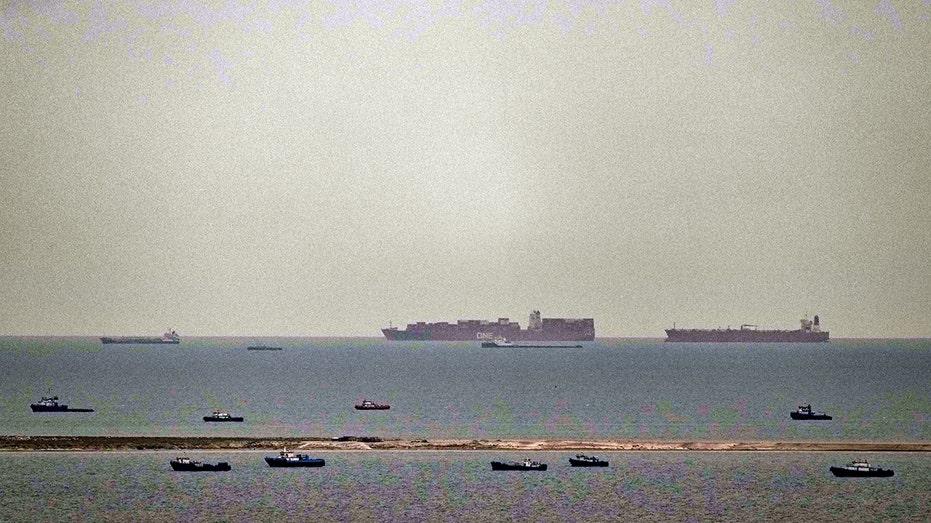
Iran's decision to shut the Strait of Hormuz has led to severe disruptions, stranding hundreds of oil tankers at the chokepoint and trapping thousands of sailors.[1] Crews aboard these vessels have reported harrowing experiences, including gunfire and traumatic encounters, captured in distress calls that underscore the human cost of the closure.[1]
The Strait of Hormuz, a narrow waterway handling a significant portion of global oil shipments, was effectively closed by Iran, paralyzing maritime traffic.[1] This action has created a backlog of stranded tankers, with crews enduring prolonged isolation, supply shortages, and direct threats from reported gunfire incidents.[1] Distress signals from one tanker under fire illustrate the immediate dangers faced by those caught in the standoff, amplifying calls for safe passage amid the blockade and counter-measures.[1]
The shutdown exacerbates the pressures from the U.S. naval blockade, turning the strait into a flashpoint where shipping vulnerabilities are starkly exposed.[1] Traumatic reports from crews paint a picture of psychological strain, with ongoing uncertainties about when the chokepoint might reopen.[1] This development not only affects energy markets but also highlights the precarious state of commercial navigation in contested waters.[1]
Related Strikes and Concerns
Separate U.S.-Israeli strikes that killed Iranian nuclear scientists have intensified alarms over nuclear proliferation risks.[4] These assassinations raise fears that uranium stocks and critical expertise could reach the black market due to weakened material controls in Iran.[4]
The slain scientists were key figures in Iran's nuclear program, and their deaths in targeted operations have disrupted safeguards, potentially loosening oversight on sensitive materials.[4] Experts warn that such strikes could inadvertently fuel proliferation by scattering knowledge and resources to non-state actors or adversarial regimes.[4] The combination of military actions against personnel and infrastructure underscores vulnerabilities in Iran's nuclear security apparatus.[4]
These concerns compound the maritime tensions, as the killings highlight a multi-front pressure campaign involving both covert operations and overt naval enforcement.[4] The potential for enriched materials to enter illicit channels represents a long-term threat, prompting international scrutiny on proliferation controls.[4]
Current Status
The ongoing U.S. naval blockade of Iranian ports continues to shape the regional dynamic, with Sunday's interception of the Iranian cargo ship as its first major test.[2] Iran's vows of swift retaliation have cast doubt on the fragile ceasefire, which is days from expiration, raising the specter of renewed hostilities.[2][3]
Tehran's joint military command remains poised for response, viewing the U.S. action as a direct provocation.[2][3] The stranding of tankers at the shut Strait of Hormuz adds to the volatility, with crews' reports of gunfire signaling persistent risks.[1] As enforcement operations persist, the situation remains fluid, with potential escalations tied to Iran's next moves.[2]
What to watch next: Observers should monitor Iran's military response to the ship interception and the ceasefire's expiration, as vowed by Tehran's joint command, alongside any further developments in the Strait of Hormuz blockade.[2][3]