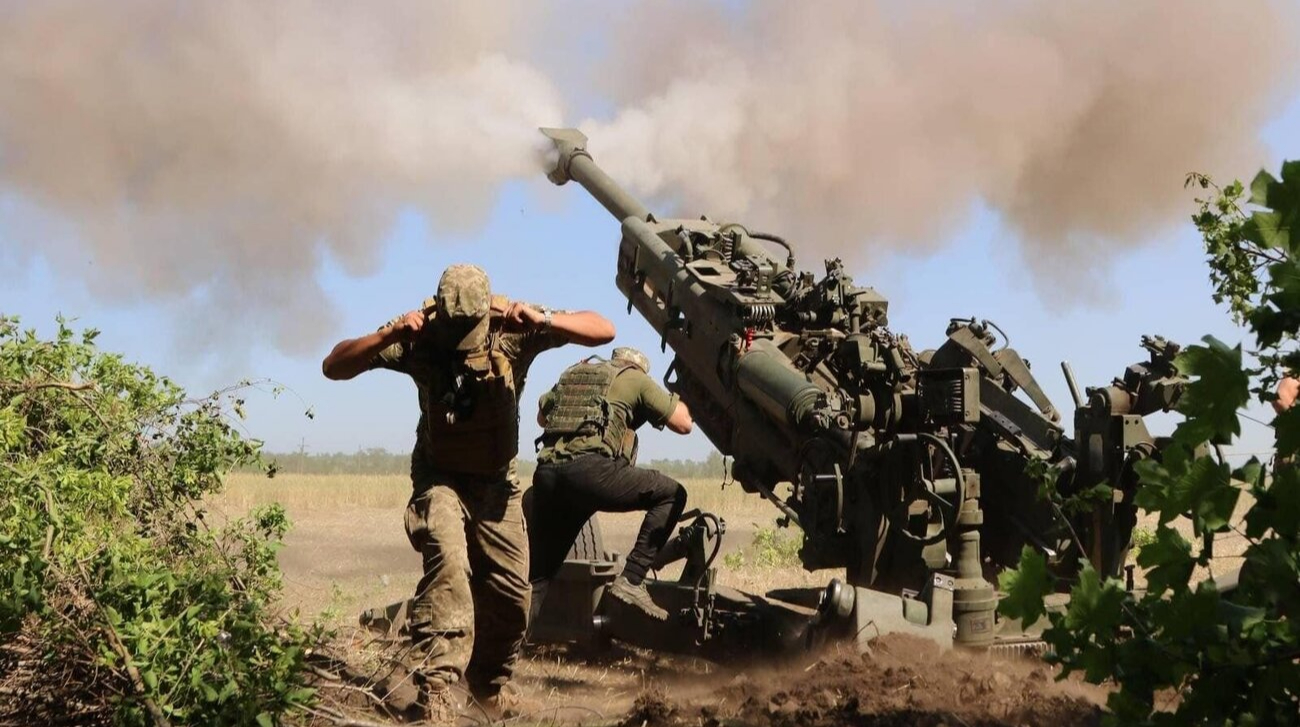
Strike on Iran: US Operation Midnight Hammer Targets Nuclear Sites, Claims Trump
The US launched an attack called Operation Midnight Hammer on Iranian nuclear sites in June last year, as claimed by Donald Trump, amid stalled US-Iran talks.[1] This strike Iran operation came after 12 days of Israel bombing parts of Iran, with Trump asserting that the Iranian nuclear sites were turned to dust.[1] Meanwhile, US-Iran talks are currently in limbo, complicating diplomatic efforts.[1] Adding to regional tensions, Iran recently fired on two Indian-flagged oil tankers in the Strait of Hormuz, raising questions about its ability to protect friendly shipping.[2]
Overview of the US Strike on Iran
The US strike Iran targeted Iranian nuclear sites under Operation Midnight Hammer, a significant military action launched in June last year.[1] Former President Donald Trump has publicly claimed that these nuclear facilities were completely destroyed, describing them as turned to dust in the aftermath of the operation.[1] This assertion underscores the scale of the attack as perceived by Trump, positioning it as a decisive blow against Iran's nuclear program. The operation unfolded against a backdrop of heightened tensions, directly following a period of intense Israeli military activity in the region. Specifically, it came after 12 days of Israel bombing parts of the Islamic Republic, which had already strained the security environment.[1]
This context of sequential strikes highlights the interconnected nature of regional conflicts involving Iran. The US action was not isolated but part of a broader escalation, where prior Israeli operations set the stage for American involvement. Trump's comments on the destruction emphasize the intended impact on Iran's nuclear capabilities, though verification remains tied to his statements.[1] At the same time, the strike occurred as US-Iran talks hit limbo, stalling any potential diplomatic resolutions.[1] This timing raises questions about the interplay between military pressure and negotiation efforts, with the operation potentially aimed at leveraging a stronger position in stalled discussions. The lead-up to Operation Midnight Hammer illustrates how military actions can intersect with diplomatic deadlocks, amplifying uncertainties in US-Iran relations.[1]
Details of Operation Midnight Hammer
Operation Midnight Hammer represents a pivotal US military engagement with Iran, launched specifically in June last year.[1] The operation was an attack directed at Iranian nuclear sites, following immediately after 12 days of Israel bombing parts of the Islamic Republic.[1] This sequencing—Israeli strikes paving the way for the US response—demonstrates coordinated or at least temporally linked efforts to address perceived threats from Iran's nuclear program. Donald Trump claimed that the result was the total destruction of these sites, stating they were turned to dust, which paints a picture of comprehensive devastation.[1]
Delving into the background, the 12-day Israeli bombing campaign targeted various parts of Iran, creating a volatile prelude to the American operation.[1] Israel's actions likely focused on weakening Iranian defenses or infrastructure, setting conditions that enabled the US to execute Operation Midnight Hammer with precision. The name "Midnight Hammer" evokes imagery of a swift, nocturnal assault, though specifics on tactics or weaponry are not detailed beyond the operation's core objective.[1] Trump's bold claim of nuclear sites reduced to dust suggests an emphasis on eliminating key facilities, potentially including enrichment or research centers central to Iran's nuclear ambitions.[1] This operation's timing underscores its reactive nature to ongoing hostilities, as the US moved in after Israel's sustained bombardment. The strike Iran initiative thus fits into a pattern of allied military pressure on Tehran, with the US taking a prominent role post-Israeli efforts.[1] Analysts might view this as a demonstration of resolve, but its execution remains framed by Trump's public assertions and the limbo in talks.[1]
Recent Iranian Actions in the Strait of Hormuz
Iran recently fired on two Indian-flagged oil tankers in the Strait of Hormuz, an incident that has spotlighted vulnerabilities in maritime security.[2] The tankers, identified as Jag Arnav and another vessel, were targeted on Saturday, marking a direct confrontation in one of the world's most critical shipping chokepoints.[2] This action has been described as pushing the region closer to maritime chaos, with the Strait of Hormuz serving as a vital artery for global oil trade.[2]
The attack's awkwardness for Iran stems from India's non-adversarial status; New Delhi maintains working ties with Tehran, including renewed oil purchases in recent weeks under a temporary US sanctions waiver.[2] Despite these friendly relations, Iran's firing on the tankers has exposed potential miscalculations or lapses in distinguishing between adversarial and neutral shipping. The Strait of Hormuz, through which a significant portion of global oil flows, becomes even more precarious amid such incidents, as they erode confidence in safe passage.[2] Iran's involvement raises immediate concerns for commercial operators navigating the area, particularly those from nations like India that balance economic engagement with Tehran against broader geopolitical risks.[2] This event follows patterns of tension in the strait but stands out due to the friendly nature of the targeted vessels, complicating Iran's narrative of defensive actions.[2]
Impact on US-Iran Relations
The US strike Iran via Operation Midnight Hammer has profoundly influenced US-Iran relations, leaving talks in limbo.[1] Donald Trump's claim that Iranian nuclear sites were turned to dust amplifies the perceived severity of the attack, signaling a hardened US stance against Iran's nuclear pursuits.[1] This military action, launched in June last year after Israel's 12-day bombing, has stalled diplomatic channels that were already fragile.[1]
With US-Iran talks hit limbo, opportunities for de-escalation appear remote.[1] The operation's context—following Israeli strikes—suggests a unified front against Iran, further entrenching divisions. Trump's assertions about the destruction underscore a narrative of success in curbing nuclear threats, but they also provoke Iranian responses that hinder dialogue.[1] The limbo in negotiations reflects broader relational strains, where military moves overshadow diplomatic overtures. Historical patterns of US-Iran interactions, marked by sanctions and proxy conflicts, are exacerbated by such direct strikes, making trust-building elusive.[1] As talks remain stalled, the path forward involves navigating the aftermath of Operation Midnight Hammer, with both sides entrenched in their positions.[1]
Questions Raised by the Incidents
Incidents like Iran's firing on Indian-flagged tankers in the Strait of Hormuz have raised fresh questions about Tehran's ability to protect even friendly shipping.[2] The attack on Jag Arnav and the other tanker, occurring on Saturday, highlights limitations in distinguishing non-adversarial vessels amid escalating conflicts.[2] Analysts have noted this as particularly telling, given India's working ties with Iran, including recent oil purchases under a US sanctions waiver.[2]
These events push concerns toward maritime chaos, questioning how far Iran can safeguard neutral or friendly shipping lanes.[2] The Strait of Hormuz's role amplifies the stakes, as disruptions affect global energy supplies. Iran's actions, while possibly defensive, inadvertently target partners like New Delhi, eroding its credibility in protecting commerce.[2] Broader implications include heightened risks for operators, prompting reevaluations of routing and insurance in the region.[2] The incident underscores gaps in operational control during conflicts, with friendly ties failing to shield vessels.[2]
What to watch next: Developments in US-Iran talks remaining in limbo following Operation Midnight Hammer[1] and Iran's capacity to protect friendly shipping in the Strait of Hormuz amid ongoing tensions.[2]