Strike on Iran: US Destroyer Fires on Cargo Ship in Gulf of Oman
A US destroyer fired on an Iranian-flagged cargo ship in the Gulf of Oman, prompting Iran to vow retaliation in this latest escalation of the strike on Iran.[1] Iran condemned the US action as 'armed piracy' and warned that its forces would respond soon.[1] The cargo ship was attempting to evade a US naval blockade, as stated by US officials.[1][3][4] Amid broader tensions, the killing of Iranian nuclear scientists in US-Israeli strikes has raised concerns about nuclear material and expertise potentially reaching the black market,[2] while an Iranian official reported that over 20 passenger planes were damaged in US-Israeli attacks, though most airport capacity remains intact.[5]
The Cargo Ship Incident
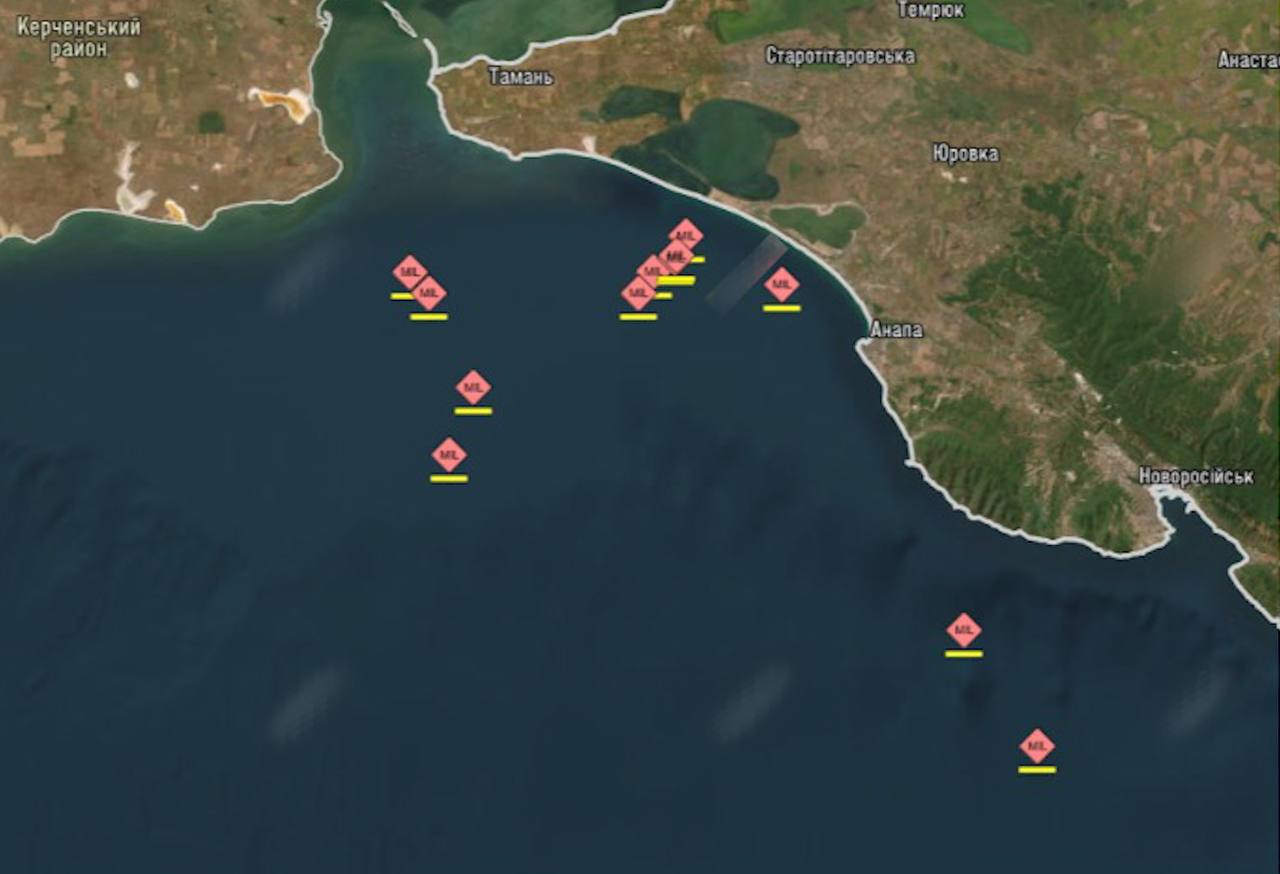
The incident unfolded on Sunday when a US destroyer fired on an Iranian-flagged cargo ship in the Gulf of Oman, a strategically vital waterway connecting the Arabian Sea to the Persian Gulf.[1] According to reports, the cargo ship was actively attempting to evade a US naval blockade at the time of the engagement.[1][3][4] This blockade, enforced by US naval forces, has been positioned to restrict maritime movements amid heightened regional tensions.[1]
US officials, including statements attributed to former President Donald Trump, described the action as a necessary response to the ship's efforts to breach the blockade.[3][4] The firing incident marks a direct naval confrontation between US and Iranian-flagged vessels, underscoring the precarious security situation in the Gulf of Oman.[1] The location itself is no stranger to such encounters, given its role in global oil transit and previous incidents involving tanker seizures and naval standoffs.[1]
Details from the event indicate that the US destroyer targeted the vessel precisely because it was maneuvering to avoid interception, highlighting the enforcement mechanisms of the blockade.[3][4] While specifics on the extent of damage to the cargo ship or any casualties have not been detailed in available reports, the action has immediately drawn international attention due to its potential to spiral into wider conflict.[1] The Gulf of Oman has long been a flashpoint, with past disruptions affecting shipping lanes and energy supplies, and this strike on Iran exemplifies the ongoing naval posturing in the area.[1][3][4]
Iranian sources have framed the episode as an unprovoked assault on a commercial vessel, amplifying calls for de-escalation while preparing countermeasures.[1] The US position, reiterated through official channels, emphasizes the blockade's legitimacy in countering perceived threats from Iranian maritime activities.[3][4] This event fits into a pattern of naval incidents that have tested the resolve of both nations' forces in international waters.[1]
Iran's Response and Warnings
In direct response to the US destroyer's firing on the Iranian-flagged cargo ship, Tehran issued a strong condemnation, labeling the action as “armed piracy.”[1] Iranian officials vowed retaliation, stating explicitly that its forces would respond soon to the incident in the Gulf of Oman.[1] This rhetoric from Iran underscores a commitment to defend its flagged vessels and maritime interests against what it perceives as aggressive US interdiction.[1]
The warning came amid a live coverage of the Middle East war, where Iran positioned the event within a broader narrative of US provocation.[1] Tehran's statement signals a readiness to escalate if necessary, with promises of a forceful reply to restore deterrence.[1] Such declarations are not uncommon in the context of Gulf naval tensions, where verbal threats often precede diplomatic maneuvers or limited military actions.[1]
Iran's framing of the incident as piracy invokes international maritime law, potentially aiming to garner sympathy from global shipping nations reliant on free passage through the Strait of Hormuz and Gulf of Oman.[1] The vow of response adds urgency to monitoring developments, as Iranian naval assets in the region could mobilize in retaliation.[1] This stance reflects Tehran's historical approach to US naval presence, blending diplomatic protests with implicit military preparedness.[1]
Related US-Israeli Attacks
Beyond the naval clash in the Gulf of Oman, recent US-Israeli strikes have targeted Iranian nuclear scientists, raising significant alarms over nuclear proliferation risks.[2] The killing of these scientists in the strikes has prompted experts to warn of weakened controls on nuclear materials, with fears that uranium and specialized expertise could reach the black market.[2] This development exacerbates concerns about the stability of Iran's nuclear program following the assassinations.[2]
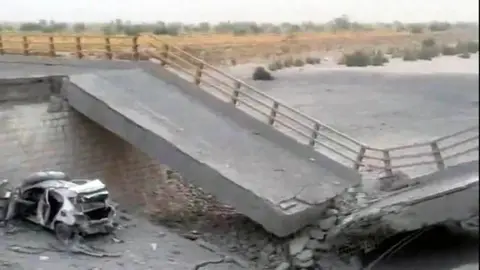
In parallel, an Iranian official reported that over 20 passenger planes were damaged during US-Israeli attacks on airport infrastructure.[5] Despite the damage to these aircraft, the official emphasized that reports of wider destruction are inaccurate, as most airport capacity remains intact.[5] This assessment suggests that while aviation assets have been hit, operational continuity at key facilities persists.[5]
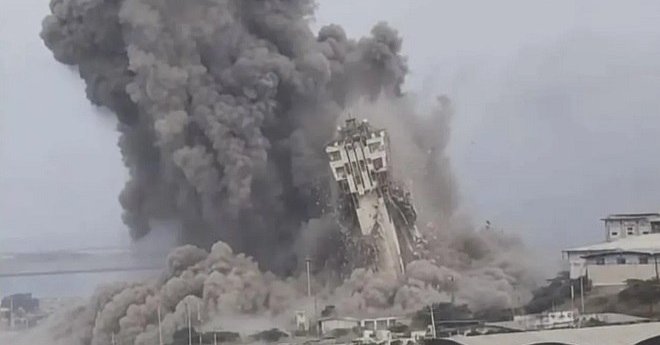
These strikes on scientists and civilian aviation targets illustrate a multifaceted campaign against Iranian capabilities.[2][5] The nuclear scientist killings disrupt technical know-how essential to Iran's atomic ambitions, potentially scattering knowledge that could fuel illicit networks.[2] Meanwhile, the aircraft damage impacts Iran's commercial air travel but falls short of paralyzing its airports.[5] Together, these actions contribute to a broader context of targeted operations amid the strike on Iran, heightening proliferation worries and logistical strains.[2][5]
The implications for nuclear security are particularly acute, as the loss of key personnel may lead to lapses in safeguarding fissile materials.[2] On the aviation front, the preservation of most capacity indicates resilience in Iran's infrastructure, countering narratives of total disruption.[5] These reports from Iranian and international sources paint a picture of selective strikes aimed at specific vulnerabilities.[2][5]
US Official Statements
US officials have provided clear justification for the destroyer’s action against the Iranian-flagged cargo ship, stating it was attempting to evade a naval blockade.[3][4] Former President Donald Trump specifically commented that the US destroyer hit the cargo ship precisely because it was trying to break through the enforced perimeter.[3][4] These statements frame the incident as a lawful enforcement measure rather than an act of aggression.[3][4]
Trump's remarks, covered by The Straits Times, reinforce the US narrative of defensive naval operations in response to Iranian maneuvers.[3][4] The repetition across reports emphasizes the blockade's role in US strategy to contain potential threats from Iranian shipping.[3][4] This official line positions the firing as a calibrated response, integral to maintaining maritime security in the Gulf of Oman.[3][4]
The consistency in US messaging—across multiple outlets—highlights a unified stance on the blockade's enforcement.[3][4] By attributing the statement to Trump, reports underscore high-level endorsement of the military action.[3][4] This context situates the cargo ship incident within ongoing US efforts to monitor and interdict vessels linked to Iran.[3][4]
What to watch next: Iran has warned that its forces will respond soon to the US destroyer firing on the cargo ship, with live updates ongoing amid fears of nuclear proliferation from slain scientists.[1][2]