
Strike on Iran: US and Israel Actions Lead to Global Fallout Including Shipping Disruptions
The US and Israel conducted strikes on Iran, resulting in significant global fallout including incidents in the Strait of Hormuz and economic repercussions.[1]
Overview of the Strikes on Iran
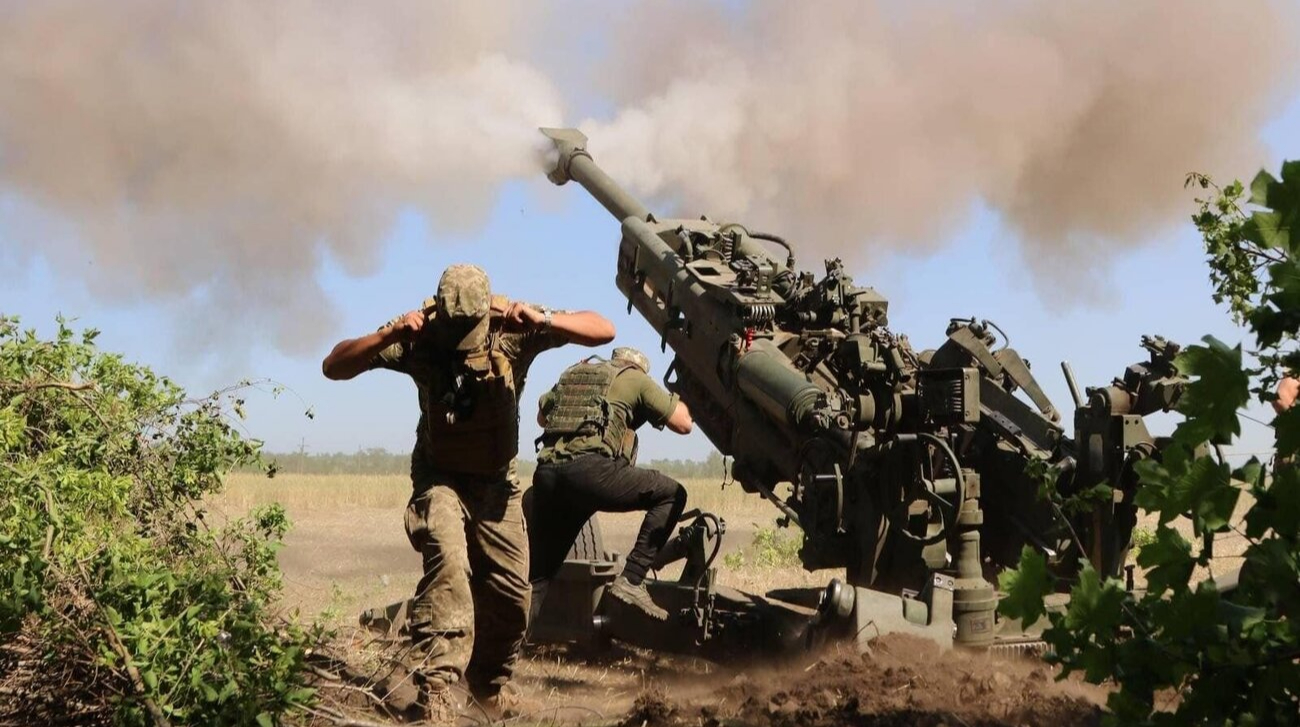
The strikes on Iran by the US and Israel have been described as a strategic miscalculation that has unleashed widespread global consequences.[1] According to reports, these military actions, detailed in analyses of the emerging Iran War, have directly triggered a chain of events affecting international security and commerce.[1] The immediate implications extend beyond the conflict zone, disrupting vital maritime routes and contributing to volatility in global energy markets.[1]
In the context of the strike on Iran, the US and Israel's coordinated operations have escalated tensions in the region, leading to retaliatory measures that have rippled outward.[1] This fallout is characterized by disruptions in key chokepoints like the Strait of Hormuz, where merchant shipping has faced direct threats.[1] Furthermore, the strikes have initiated an oil crisis with far-reaching economic effects, particularly straining economies dependent on stable energy supplies.[1] The published analysis from April 19, 2026, underscores how these actions have moved from localized military engagement to broader international instability.[1]
The strategic backdrop highlights the miscalculation in anticipating Iran's response, which has manifested in aggressive maritime interdictions and economic pressures worldwide.[1] As the strikes on Iran continue to unfold, their role in igniting these dynamics remains central to understanding the current crisis.[1]
Incident Involving Indian Vessels in the Strait of Hormuz
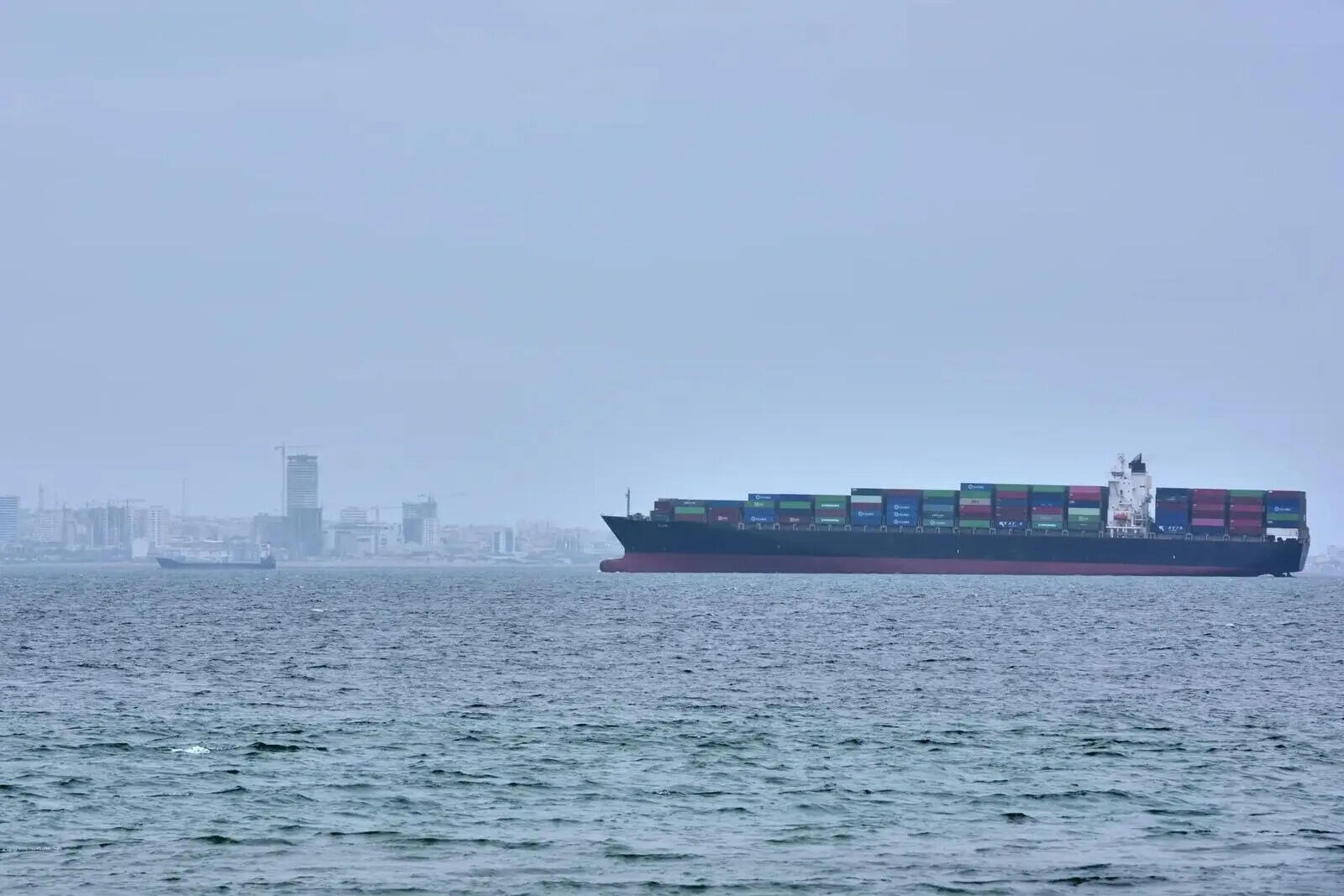
Two Indian-flagged vessels, the Sanmar Herald and Jag Arnav, were targeted by Iranian gunboats in the Strait of Hormuz, an episode that exemplifies the strike Iran's broader disruptions to global shipping.[2][3] The ships were transiting the strait when they were reportedly fired upon by boats from Iran's Islamic Revolutionary Guard Corps (IRGC), involving an unknown projectile.[3] This confrontation forced the vessels to take evasive action, turning back to avoid further engagement.[3]
The incident unfolded amid confusion over passage instructions, with a convoy of 14 ships ultimately aborting their transit through the strait.[2] The Sanmar Herald's crew issued a frantic distress call, stating, "You gave me clearance to go," highlighting the disarray in coordinating safe passage during heightened tensions.[2] Iranian gunboats approached and targeted the vessels, leading to the immediate reversal of the convoy's plans.[2] This event underscores the precarious state of merchant shipping in the strait following the strike on Iran, where routine transits have become high-risk endeavors.[2][3]
Details from the encounter reveal the precision of the IRGC's actions, with both ships confirming they were hit by the projectile before retreating.[3] The Strait of Hormuz, a critical artery for global oil trade, saw its operations grind to a halt for the affected convoy, amplifying the logistical challenges for international carriers.[2][3]
International Responses and Protests
India has lodged a formal protest with Iran in response to the targeting of its flagged vessels, emphasizing the need for safe passage for merchant shipping.[2] This diplomatic move comes directly in the wake of the incident involving the Sanmar Herald and Jag Arnav, where the confusion over clearance instructions exacerbated the dangers faced by the convoy.[2]
The protest highlights growing concerns among maritime nations about the security of international waters in the Strait of Hormuz.[2] India's action signals a broader call for de-escalation and adherence to established protocols for safe transit, particularly as the strike on Iran has intensified regional hostilities.[2] Official communications underscore the expectation that Iran ensure unimpeded navigation for commercial vessels, regardless of escalating conflicts.[2]
Economic Impacts from the Strikes
The strikes on Iran have triggered an oil crisis that is having profound effects on global economies, with Finland facing particular strain.[1][4] In Finland, the crisis initiated by the US attack—aligned with the US-Israel strikes—has weakened the economy further, pushing it toward an imminent recession.[4] A professor's assessment warns, "Ollaan taantumassa ihan kohta," translating to "We're heading into recession very soon," capturing the severity of the downturn.[4]
This oil crisis stems directly from the disruptions caused by the strike on Iran, disrupting supply chains and driving up energy costs worldwide.[1][4] For Finland, already grappling with economic pressures, the surge in oil prices has accelerated vulnerabilities, threatening growth and stability.[4] The global fallout detailed in reports links these strikes to immediate market shocks, where energy dependency amplifies the recessionary risks.[1]
Analyses point to the strategic oversight in the strikes, as the resulting oil market instability has cascading effects on import-reliant nations like Finland.[1][4] The combination of reduced Strait of Hormuz transits and supply fears has entrenched the crisis, with economic indicators signaling contraction.[4]
Current Status and Outcomes
Following the firing upon the Sanmar Herald and Jag Arnav by IRGC boats, both vessels turned back from the Strait of Hormuz, marking a clear outcome of the confrontation.[3] The use of an unknown projectile in the attack has left ongoing questions about the extent of damage and the intent behind the IRGC's actions.[3] The convoy of 14 ships, disrupted by the incident, has aborted its transit, contributing to persistent bottlenecks in the strait.[2][3]
Economically, the oil crisis persists, with Finland's trajectory toward recession remaining a key concern amid the strike Iran's fallout.[4] The vessels' retreat and the broader shipping halts indicate sustained disruptions, while energy market volatility continues to weigh on affected economies.[3][4]
What to watch next: Monitor developments in Strait of Hormuz transits for signs of restored safe passage and track Finland's economic indicators as the oil crisis deepens, potentially confirming recessionary trends.[2][3][4]