
Strike on Iran: US and Israel Actions Lead to Firing on Indian Ships in Strait of Hormuz
The recent strike on Iran by the US and Israel has escalated tensions in the Middle East, triggering immediate global fallout that includes direct confrontations in the Strait of Hormuz. Iranian gunboats have fired upon Indian-flagged vessels, such as the Sanmar Herald and Bhagya Lakshmi, forcing them to turn around amid denials of passage.[1] India has lodged formal protests with Iran over these incidents, highlighting risks to merchant shipping safety.[1][3] The strikes have also sparked an oil crisis, exacerbating economic pressures in nations like Finland and raising fears of recession.[2][5] Confusion over passage instructions led a convoy of 14 ships to abort transit, with reports of unknown projectiles from IRGC boats targeting the vessels.[3][4]
Overview of the Strikes and Global Fallout
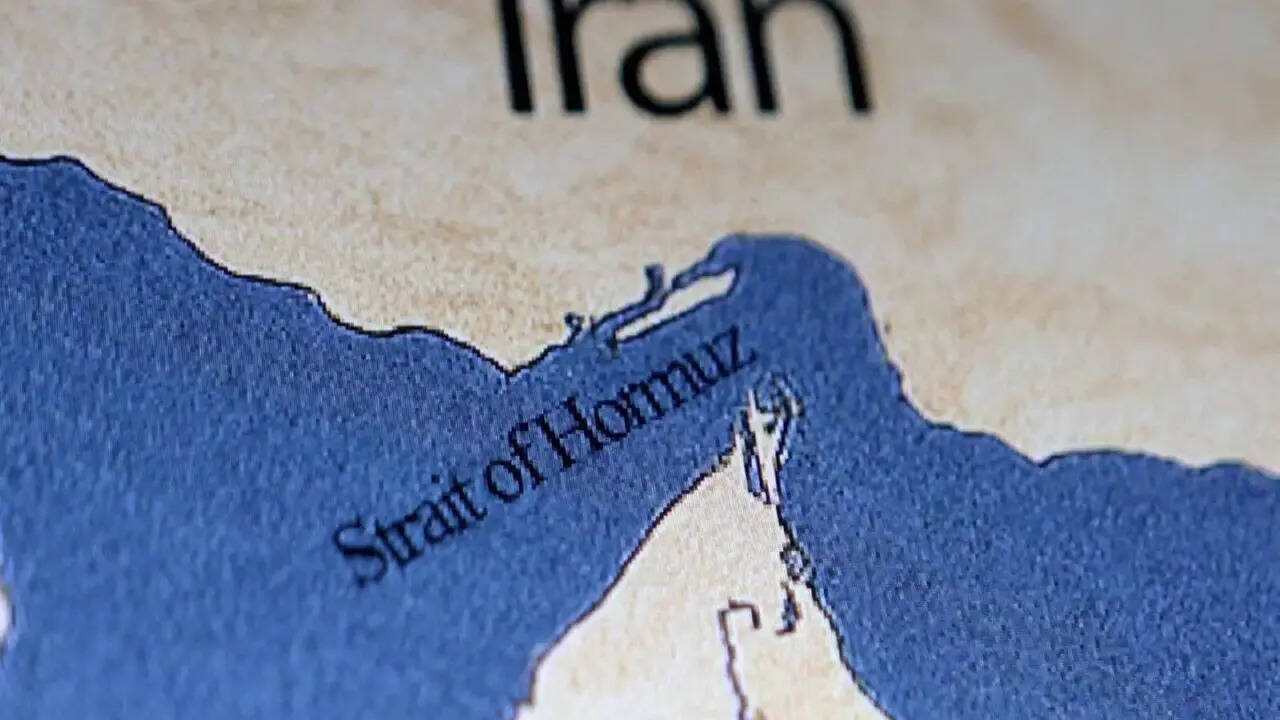
The US and Israel strikes on Iran, described in analyses as a strategic miscalculation, have unleashed a cascade of international repercussions.[2] Published on April 19, 2026, reports frame these military actions as the catalyst for widespread disruptions, particularly in vital maritime chokepoints like the Strait of Hormuz.[2] This narrow waterway, through which a significant portion of global oil transits, has become a flashpoint following the strike on Iran, with Iranian forces responding aggressively to commercial shipping.[2]
The global fallout extends beyond immediate military skirmishes. The strikes have initiated an oil crisis by unsettling energy markets and supply chains, creating ripple effects across economies dependent on stable oil flows.[2] In this context, the involvement of Iranian naval elements—specifically gunboats—marks a direct escalation tied to the broader conflict sparked by the US-Israel operations.[2] Analysts note that such actions in the Strait of Hormuz amplify vulnerabilities in global trade, as any prolonged instability here could choke off oil exports from major producers in the Persian Gulf.[2] The timing of these events underscores how a targeted strike on Iran has rapidly translated into multinational maritime tensions, drawing in neutral actors like India whose vessels were caught in the crossfire.[2]
This overview reveals the interconnected nature of modern conflicts: a strike on Iran does not remain isolated but propagates through economic lifelines, forcing governments and shipping companies to recalibrate operations overnight.[2] The strategic waterway's role cannot be overstated; daily volumes of oil passing through it equate to roughly 20% of global consumption, making any interference a matter of international concern.[2]
Incidents Involving Indian Vessels in the Strait of Hormuz
In the wake of the strike on Iran, Iranian gunboats targeted multiple Indian-flagged vessels transiting the Strait of Hormuz, denying passage and reportedly opening fire.[1][3][4] The tankers Bhagya Lakshmi and Sanmar Herald were directly involved, with crew members on the Bhagya Lakshmi receiving explicit orders to "turn around immediately," as captured in video footage of the confrontation.[1] The Sanmar Herald faced a more alarming escalation: despite prior clearance to proceed, it reported being fired upon by Iranian forces.[1]
Further details emerged from distress calls, including one from an Indian vessel pleading, "You gave me clearance to go," amid the chaos of the firing.[3] Sources identify the perpetrators as boats from the Islamic Revolutionary Guard Corps (IRGC), which launched unknown projectiles at the ships.[4] Another vessel, the Jag Arnav, was also targeted in the same sequence of events, contributing to widespread confusion over passage instructions.[3] This uncertainty prompted a convoy of 14 ships to abort their transit entirely, turning back to avoid further risk.[3]
These incidents unfolded as the vessels attempted routine passage through the strait, a critical artery for oil and goods. The IRGC boats' actions—blocking, firing, and issuing contradictory directives—created a hazardous environment for merchant mariners.[1][4] Reports indicate the ships sustained no major damage but were compelled to reverse course, highlighting the precariousness of navigation in the area post-strike on Iran.[4] The sequence of events, from denial of entry to live fire, illustrates a pattern of Iranian interdiction that has disrupted normal shipping protocols.[1][3]
India's Response to the Incidents
India has responded decisively to the targeting of its flagged vessels by Iranian forces in the Strait of Hormuz, raising formal concerns and lodging protests with Tehran.[1][3] New Delhi emphasized the imperative of safeguarding merchant shipping, particularly for its own fleet operating in international waters.[1] The Ministry of External Affairs communicated directly with Iranian counterparts, underscoring that such incidents jeopardize safe passage and could have broader implications for bilateral maritime relations.[3]
The protests stem from specific grievances: the denial of transit to the Bhagya Lakshmi and Sanmar Herald, coupled with reports of gunfire despite clearances.[1] Distress communications from the vessels, revealing frantic exchanges with Iranian gunboats, provided evidentiary basis for India's diplomatic push.[3] By highlighting these events, India seeks assurances for the unhindered movement of its commercial ships, which play a vital role in global energy trade.[1][3]
This response aligns with India's longstanding policy of protecting its seafaring interests amid regional volatility. The incidents, occurring shortly after the US-Israel strike on Iran, prompted swift action to prevent recurrence, including potential coordination with international shipping bodies.[1][3] India's stance reflects a balanced approach: protesting aggression while advocating for de-escalation in the strait.[3]
Economic Implications of the Strikes
The US-Israel strike on Iran has precipitated an oil crisis with profound economic ramifications, hitting countries far removed from the conflict zone.[2][5] In Europe, Finland stands as a stark example, where the disruption has intensified existing economic weaknesses, propelling the nation toward recession.[5] A professor's assessment warns, "Ollaan taantumassa ihan kohta," translating to an imminent downturn driven by surging oil prices and supply uncertainties.[5]
Global analyses portray the strikes as a trigger for this energy shock, destabilizing markets and inflating costs across supply chains.[2] The Strait of Hormuz incidents exacerbate the crisis, as aborted transits by convoys like the 14-ship group signal potential bottlenecks in oil exports.[2] For import-dependent economies like Finland, the fallout manifests in higher energy bills, strained industries, and forecasts of contraction.[5]
Broader implications include volatility in commodity prices and trade routes, with the strike on Iran acting as the fulcrum.[2] Nations reliant on Persian Gulf oil face compounded pressures, from manufacturing slowdowns to consumer price hikes.[5] The gdelt report frames this as predictable fallout from military missteps, urging attention to the interconnected global economy.[2]
Current Status and Affected Shipping
Following the confrontations, the affected Indian vessels—Sanmar Herald, Bhagya Lakshmi, and Jag Arnav—have turned back safely, though operations remain disrupted.[1][3][4] The IRGC gunboats' use of unknown projectiles forced these reversals, with no confirmed casualties but clear impacts on transit schedules.[4] A larger convoy of 14 ships aborted its journey due to the ensuing confusion over Iranian instructions, opting for safer alternative routes or delays.[3]
Shipping trackers and reports indicate heightened caution in the strait, with vessels rerouting to mitigate risks from potential further interdictions.[1][3] India continues to monitor the situation, having protested to ensure future safe passage.[1] The IRGC's role in firing upon cleared ships underscores ongoing threats, prompting industry-wide alerts.[4]
Current disruptions point to a chilled maritime environment, where routine passages are now fraught with uncertainty.[3][4]
What to watch next: Monitor Iran's response to India's protests and any further IRGC actions in the Strait of Hormuz, alongside oil market fluctuations as shipping convoys resume or divert amid the ongoing crisis.[1][2][3][5]