
Strike on Iran: Trump States Nuclear Sites Were Completely Obliterated
Former President Trump stated that Operation Midnight Hammer completely obliterated Iran's nuclear sites, making the recovery of enriched uranium a long and difficult process.[1][2] In the context of this strike on Iran, Trump emphasized the total destruction of key facilities, highlighting the operation's impact on Iran's nuclear capabilities.[2]
Trump's Comments on the Strike
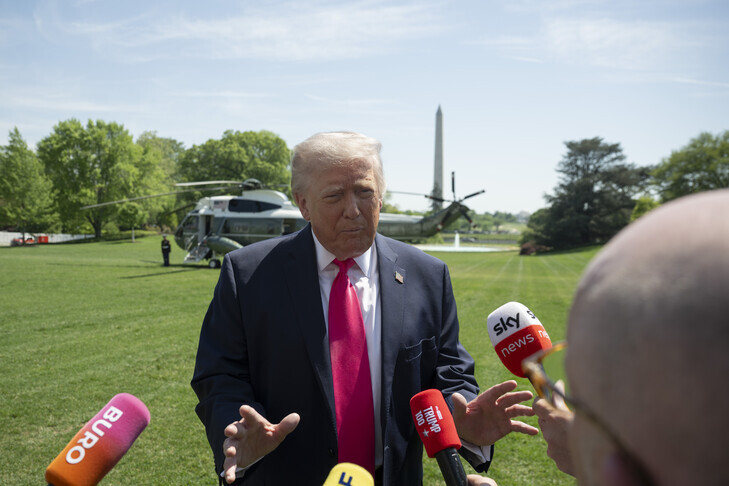
Former President Donald Trump has made pointed remarks about the strike on Iran, describing Operation Midnight Hammer as a decisive blow to the nation's nuclear infrastructure. According to reports, Trump asserted that the operation resulted in a "complete and total obliteration of the Nuclear Dust sites in Iran."[1][4] This phrasing underscores the extent of the damage he claims was inflicted, portraying the facilities as reduced to dust and rubble.[2]
Trump further elaborated on the aftermath, stating that recovery of Iran's enriched uranium would require a "long and difficult process."[1][4] He characterized the effort as one where "digging nuclear dust sites will be a difficult process," emphasizing the protracted and challenging endeavor involved in retrieving any remaining materials.[2] These comments position the strike on Iran not just as a military action but as a strategic setback for Iran's nuclear ambitions, with Trump highlighting the logistical nightmares posed by the destruction.[1][2]
In detailing the obliteration, Trump referred specifically to the nuclear sites being turned into dust, a vivid description that aligns with his broader narrative of American military precision and effectiveness.[2] Sources attribute these statements to Trump amid discussions of regional tensions, where he positioned the operation as a complete success in neutralizing threats.[4] This rhetoric serves to frame the strike on Iran as a landmark event, with the former president drawing attention to the irreversible damage to Iran's enrichment capabilities.[1][2] Analysts note that such claims from Trump carry weight given his past administration's hardline stance on Iran, though verification relies on these direct quotes and reports.[2]
The specificity of Trump's language—"complete and total obliteration"—suggests a thorough dismantling of infrastructure, potentially involving multiple strikes that left little intact.[1] This assessment implies that any uranium recovery would involve sifting through heavily contaminated and structurally compromised sites, complicating both technical and safety efforts.[4] Trump's remarks, as reported, provide a firsthand political perspective on the operation's outcomes, influencing public and policy discourse on the strike on Iran.[2]
Details of Operation Midnight Hammer
Operation Midnight Hammer stands out as a targeted US attack on Iran's nuclear facilities, launched in June last year.[5] This operation followed a period of intense regional conflict, specifically after 12 days of Israel bombing parts of the Islamic Republic.[5] The timing and nature of the assault positioned it as a escalation in response to ongoing hostilities, with the US directly intervening against Iran's nuclear sites.[5]
Details from reports indicate that the operation focused on key nuclear installations, aligning with Trump's later descriptions of widespread destruction.[5] As a US-led initiative, it represented a significant deployment of American military assets in the region, aimed at disrupting Iran's nuclear program at its core.[5] The name "Operation Midnight Hammer" evokes imagery of a swift, nighttime precision strike, though specifics on tactics or weaponry remain tied to these contextual reports.[5]
The operation's execution came amid heightened tensions, with Iran's nuclear sites becoming focal points after Israeli actions.[5] This sequence—12 days of Israeli bombings preceding the US attack—illustrates a coordinated or sequential approach to pressuring Iran militarily.[5] Reports frame Operation Midnight Hammer as the culmination of these efforts, directly addressing facilities that Trump would later claim were obliterated.[5] The June timing last year places it within a volatile period for Middle East security, where nuclear proliferation concerns drove international responses.[5]
Related US Military Actions
Beyond the nuclear-focused Operation Midnight Hammer, US naval forces demonstrated adaptability in separate engagements with Iranian assets. A notable incident involved a US submarine that sank an Iranian warship, an action highlighted as reflective of the Navy's drive to evolve its capabilities.[3] Chief of Naval Operations (CNO) Adm. Caudle described this event as “a glimpse of the future force” during remarks at the Sea-Air-Space event.[3]
This submarine action underscores broader US military adaptations in countering Iranian naval threats. The sinking of the warship exemplifies how the Navy is integrating advanced underwater assets to maintain superiority in contested waters.[3] Adm. Caudle's comments position the incident as a proof-of-concept for ongoing modernization efforts, where submarines play a pivotal role in high-stakes operations.[3]
In the wider context of US-Iran confrontations, this event parallels the nuclear strikes by showcasing proactive deterrence. The Navy's emphasis on adaptation suggests preparations for peer-level competitions, with the warship sinking serving as a tangible example of operational readiness.[3] Such actions reinforce America's projection of power, linking naval prowess to the strategic environment surrounding Iran's nuclear program.[3]
Implications for Uranium Recovery
The reported obliteration of Iran's nuclear sites carries significant implications for any recovery of enriched uranium, as outlined in Trump's statements. He described the process as requiring a "long and difficult process," with sites reduced to dust that would complicate extraction efforts.[1][4] This assessment points to physical destruction so severe that retrieving materials would demand extensive excavation and decontamination.[2]
Trump's assertion that recovering uranium from Iran would be a "protracted and challenging endeavor" highlights technical hurdles, including potential dispersal of materials amid rubble.[2] The term "nuclear dust sites" evokes images of pulverized facilities where enriched uranium is embedded in debris, posing radiation risks and engineering challenges.[1][2][4] Following the US strikes, these sites are said to be in a state that defies quick salvage, extending timelines for Iran.[2]
These implications extend to Iran's nuclear timeline, as the destruction could set back enrichment programs by years due to recovery delays.[1] Trump's remarks frame this as a deliberate outcome of Operation Midnight Hammer, ensuring that any reconstitution faces prolonged obstacles.[4] Grounded in these reports, the difficulties underscore the strike's strategic intent: not merely damage, but enduring disruption.[2]
Context of the Strike
The strike on Iran via Operation Midnight Hammer occurred against a backdrop of escalating regional conflicts and stalled diplomacy. Launched by the US in June last year, it directly followed 12 days of Israeli bombing on parts of Iran, creating a compressed timeline of aerial campaigns.[5] This sequence positioned the US operation as an extension or intensification of pressures on the Islamic Republic.[5]
Reports note that Iranian nuclear sites were claimed "turned to dust," coinciding with US-Iran talks hitting limbo.[5] The limbo in negotiations amplified the military context, where diplomatic avenues appeared exhausted.[5] Israel's prior bombings targeted various parts of Iran, setting the stage for American involvement in nuclear-specific strikes.[5]
This broader context reveals Operation Midnight Hammer as part of a multifaceted response to Iran's actions, blending Israeli and US efforts.[5] The June timing last year marked a peak in hostilities, with nuclear sites as prime objectives amid proliferation fears.[5] Talks' impasse further contextualizes the strike as a shift from dialogue to direct action.[5]
What to watch next: Monitor developments in US-Iran talks, which have reached limbo following the strikes, alongside Iran's attempts at uranium recovery from the obliterated sites and the US Navy's continued adaptations demonstrated by submarine actions.[3][5]