Strike Iran: Iran Fires on Three Ships in Strait of Hormuz
Iran has fired on three ships in the Strait of Hormuz amid stalled diplomacy with the US, escalating tensions in the vital waterway that handles a significant portion of global oil trade.[1][3] The strike Iran launched Wednesday targeted container ships, with Iranian media reporting that paramilitary forces seized two of them, further intensifying the assault on shipping amid a US-maintained blockade.[3] Iran-US talks remain in limbo, with Tehran accusing Washington of a lack of good faith in negotiations, while the US counters Iran's affordable drones—priced at about $20,000 each—with expensive missiles costing around $1 million apiece.[1][2] These developments have driven Brent crude futures up by more than $3 a barrel, reflecting market jitters over the standoff.[5] Experts have noted that the US was shocked by the strength of Iran's military actions.[4]
Recent Attacks in the Strait of Hormuz
The Strait of Hormuz, a narrow chokepoint through which approximately 20 percent of the world's traded oil passes during peacetime, has become a flashpoint in the escalating conflict between Iran and the United States.[3] On Wednesday, Iran fired on three ships in the waterway, seizing two of them in a move that Iranian media attributed to paramilitary forces responding to the ongoing standoff.[3][1] This strike Iran executed came just a day after US President Donald Trump extended a ceasefire while upholding an American blockade of Iranian ports, a decision that has effectively choked off nearly all exports through the strait.[3] The attacks on container ships underscore Iran's strategy of targeting commercial shipping to pressure the US and its allies, disrupting a critical artery for global energy supplies.
The immediate context of these incidents ties directly to the broader US-Iran confrontation, where the blockade has persisted without resolution.[3] Iranian state media detailed the paramilitary involvement, portraying the seizures as defensive measures against perceived aggressions, though specifics on the ships' nationalities or cargoes remain limited in reports.[3] This follows a pattern of heightened naval activity in the strait, where Iran's actions have repeatedly tested US resolve. The timing—amid stalled diplomacy—amplifies the risks, as the waterway's congestion and vulnerability to such disruptions could prolong supply chain issues far beyond the immediate region.[1][3] Analysts point to these events as a calculated escalation, leveraging the strait's strategic importance to force concessions, though no casualties were immediately reported from the firings.[3]
US-Iran Diplomatic Standoff
Negotiations between Iran and the US are currently in limbo, with prospects for talks in Pakistan appearing dubious due to mutual accusations.[1] Iran has openly criticized the Americans for a "lack of good faith" in negotiations, a charge that has halted progress and contributed to the recent military flare-ups.[1][3] This diplomatic deadlock coincides with the US maintaining a blockade of Iranian ports, extended by President Trump alongside a ceasefire that has done little to ease tensions.[3] The standoff has broader implications, as it chokes off Iranian exports through the Strait of Hormuz, exacerbating economic pressures on Tehran while drawing international concern over energy security.
The accusations of bad faith from Iran highlight deep-seated mistrust, with Tehran viewing US actions—like the blockade—as inconsistent with diplomatic overtures.[1] Meanwhile, the extension of the ceasefire by Trump signals a reluctance to fully disengage militarily, even as talks falter.[3] This impasse mirrors previous rounds of Iran-US engagement, where similar recriminations have derailed momentum. The lack of advancement has ripple effects, emboldening Iran's maritime actions and complicating efforts to stabilize the region.[1][3] Without breakthroughs, the diplomatic vacuum risks further militarization of the strait, as both sides maneuver for leverage in what remains a high-stakes chess game.
Military Engagements Involving Iran
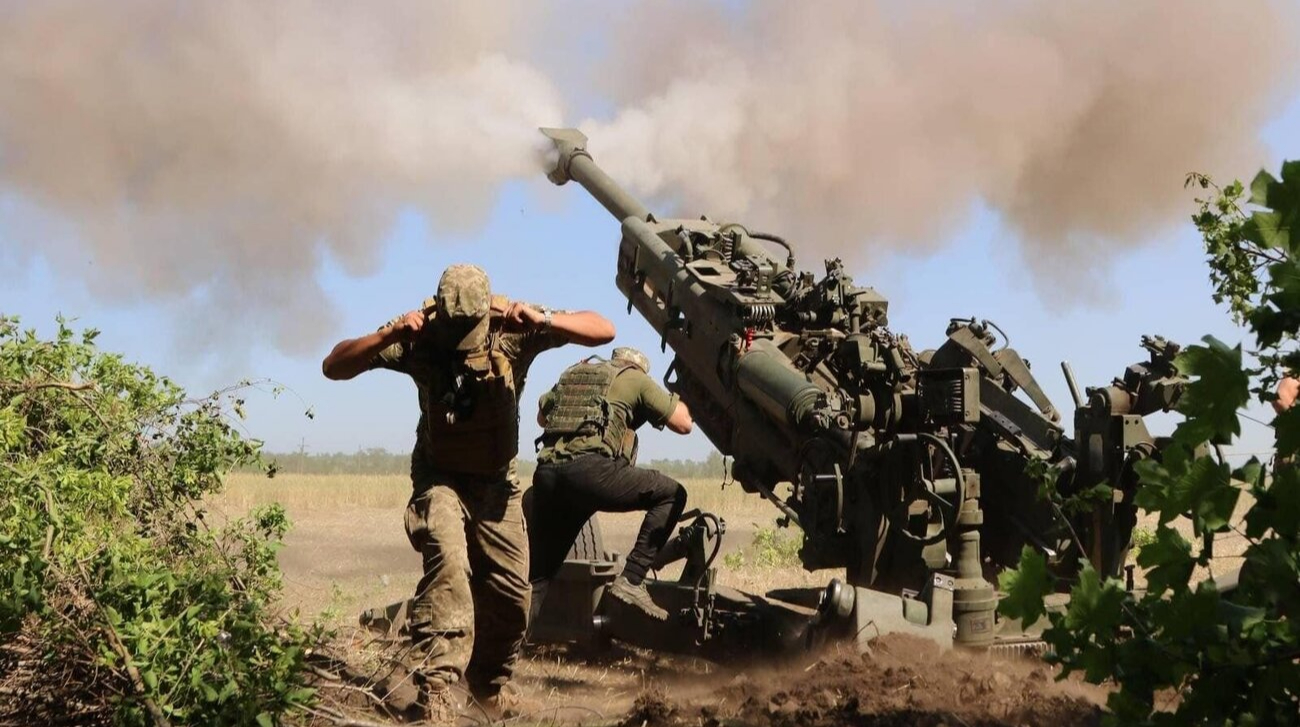
Iran's military capabilities have proven a formidable challenge for the US, particularly through its deployment of low-cost drones like the Shahed, powered by a simple motorcycle-type engine and loaded with explosives.[2] These drones, estimated at around $20,000 each, have successfully targeted neighbors' cities and power plants, as well as US military bases, forcing American forces to rely on missiles costing approximately $1 million apiece.[2] This asymmetry in weaponry underscores the US military's struggles against Iran's innovative, affordable tactics in the ongoing conflict.[2]
Experts have emphasized that the US was shocked by the strength of Iran's military actions, revealing vulnerabilities in countering such asymmetric threats despite the trillion-dollar US defense budget.[4][2] Iran's Shahed drones represent a proliferation of cheap, effective technology that has hit critical infrastructure, from urban centers to energy facilities in neighboring countries.[2] The US response, involving high-end interceptors, highlights the cost disparity: for every drone downed, resources are expended at a rate 50 times higher, straining logistics in prolonged engagements.[2] This dynamic has shifted battlefield economics, allowing Iran to sustain pressure without matching US spending. Reports detail successful strikes on US bases, amplifying the surprise element noted by specialists.[2][4] As engagements continue, Iran's drone swarms challenge traditional air defenses, prompting questions about adaptability in modern warfare.[2]
Economic Impacts of the Escalation
The recent strike Iran carried out in the Strait of Hormuz has reverberated through global markets, contributing to a sharp rise in oil prices.[5] Brent crude futures surged by more than $3 a barrel—specifically $3.32, or 3.37 percent, to $101.80 a barrel by 12:50 p.m. EDT on Wednesday—following reports of gunfire attacks on at least three container ships.[5] West Texas Intermediate (WTI) futures climbed even higher, up $3.61, or 4.03 percent, to $93.28, with both benchmarks gaining about 3 percent the previous day.[5] This jump was fueled not only by the maritime incidents but also by a surprise draw in US gasoline and distillate stocks, compounded by the lack of progress in US-Iran peace talks.[5]
The economic fallout illustrates the strait's pivotal role, where disruptions amplify volatility in energy commodities.[5] Traders reacted swiftly to the gunfire reports, interpreting them as a sign of escalating risks to supply chains.[5] The session highs reflected peak market anxiety, with prices sensitive to any hint of prolonged blockades or further attacks.[5] This escalation builds on Tuesday's gains, signaling sustained upward pressure as long as diplomatic stalls persist.[5] For consumers and industries worldwide, these spikes translate to higher fuel costs, with implications for inflation and trade. The oil market's response serves as a barometer for geopolitical tensions, where even limited incidents in Hormuz can trigger outsized effects.[5]
Broader Regional Context
While Iran-US tensions dominate headlines, related diplomatic efforts elsewhere provide a contrasting picture.[1] A second round of talks between Israel and Lebanon is set to begin Thursday in Washington, offering a potential counterpoint to the stalled Iran negotiations.[1] This development occurs as Iran accuses the US of bad faith, casting a shadow over multilateral initiatives in the Middle East.[1] The Israel-Lebanon discussions highlight ongoing efforts to address border and security issues, even as the Strait of Hormuz remains a tinderbox.[1]
The juxtaposition underscores the region's interconnected conflicts, where progress in one area might indirectly influence others.[1] Iran's limbo with the US, including dubious prospects for talks in Pakistan, contrasts with these bilateral meetings, potentially isolating Tehran further.[1] Regional dynamics are thus fluid, with maritime aggressions feeding into wider instability.
What to watch next: Monitor the second round of Israel-Lebanon talks in Washington starting Thursday, alongside any developments in the dubious Iran-US negotiations in Pakistan, as accusations of bad faith continue to stall diplomacy.[1]