
Strike on Iran: Three Ships Targeted in Strait of Hormuz
Iran has targeted three ships in the Strait of Hormuz and seized two of them, escalating tensions in the vital waterway amid a strike Iran retaliation to recent US-Israeli actions.[1][4] Over 2,000 sites in Iran's power infrastructure were targeted in those US-Israeli attacks, resulting in 12 workers killed and outages restored within hours.[2] Anger has surged across the Middle East over the strikes, while Iran has imposed restrictions on ships using the strait, with at least three vessels coming under fire.[3][5] The UK is pushing for the reopening of the Strait of Hormuz in response to these developments.[4]
Overview of Ship Incidents in Hormuz
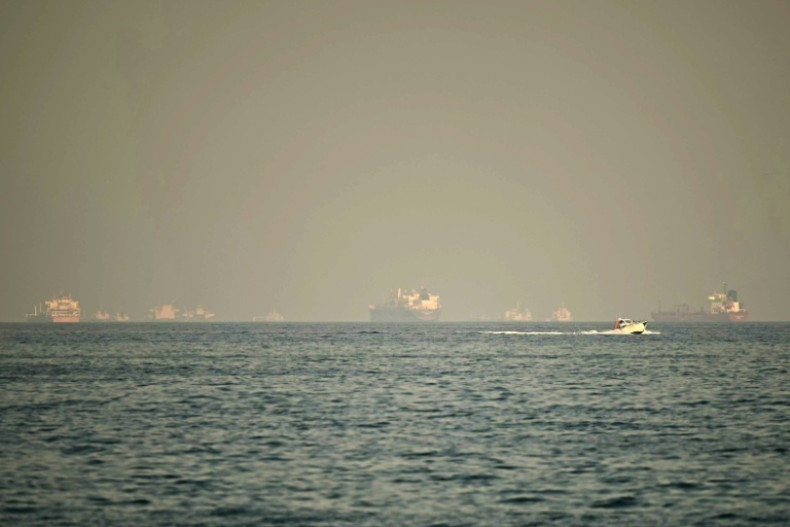
The Strait of Hormuz, a critical chokepoint for global oil and container shipping, has become the scene of direct confrontations as Iran targeted three ships, seizing two of them.[1] Reports confirm that at least three container ships were hit by gunfire in the strait on Wednesday, according to maritime security sources and the United Kingdom Maritime Trade Operations (UKMTO).[5] This incident underscores Iran's imposition of restrictions on vessels navigating the area, described as a first step in retaliation for preceding events.[5]
Iran's actions included firing on the vessels, with two ultimately seized, highlighting a pattern of enforcement amid heightened hostilities.[1][4] The targeting of these ships has disrupted normal maritime traffic, prompting immediate concerns from international maritime authorities like UKMTO, which tracks such threats to ensure safe passage.[5] The specificity of container ships being hit points to a deliberate focus on commercial shipping, potentially aimed at amplifying economic pressure in the region.[5] These events follow broader context, including restrictions that limit ship movements, forcing operators to reassess routes through one of the world's busiest sea lanes.[5]
The seizure of two ships represents a significant escalation, as it involves physical control over foreign-flagged or commercial assets, which could lead to diplomatic standoffs.[1][4] Maritime security sources have emphasized the gunfire incidents, noting the direct fire on at least three vessels, which elevates risks for crews and cargo alike.[5] Iran's moves in the strait are not isolated but tied to retaliatory measures, with reports indicating that these restrictions were enacted in direct response to external pressures.[5] This overview reveals a volatile environment where routine shipping faces unprecedented interference, backed by confirmed reports from multiple outlets monitoring the situation.[1][5]
Details of US-Israeli Attacks on Infrastructure
US-Israeli attacks struck over 2,000 sites in Iran's power infrastructure, marking a large-scale operation against critical energy assets.[2] An official statement from Iran's deputy energy minister detailed the extent of the damage, confirming the targeting of more than 2,000 locations essential to the nation's electricity grid.[2] This strike Iran context frames the subsequent maritime responses, as the infrastructure hits disrupted power supply across affected areas.[2]
The precision and volume of the attacks—over 2,000 sites—suggest a coordinated effort aimed at crippling operational capacity, though the immediate impacts were contained.[2] Power outages occurred but were restored within hours, demonstrating resilience in Iran's energy sector despite the assault.[2] The deputy's account provides the authoritative scale, positioning these strikes as a pivotal trigger for regional escalations, including naval actions in the Strait of Hormuz.[2]
Analysis of the infrastructure details reveals vulnerabilities exposed in Iran's power grid, with widespread targeting likely intended to hamper industrial and civilian functions temporarily.[2] Restoration efforts succeeding within hours indicate rapid mobilization of repair teams and backup systems, mitigating long-term blackouts.[2] These facts, drawn directly from official Iranian disclosures, paint a picture of significant but recoverable damage, fueling narratives of aggression that resonate in subsequent reactions.[2]
Regional Reactions to the Strikes
Anger has boiled over in the Middle East regarding the US-Israeli strikes on Iran, with voices across the region expressing outrage at the attacks.[3] Reports highlight a chorus of condemnation, framing the infrastructure strikes as provocative acts that threaten stability.[3] This sentiment captures a unified regional dismay, particularly over the scale of the assaults on Iran's power systems.[3]
The reactions underscore a broader unease with external interventions, as Middle Eastern commentators and officials voice concerns about escalation.[3] Specific ire is directed at the US-Israeli coordination, seen as disregarding regional sovereignty and sparking retaliatory cycles.[3] These voices amplify the human and infrastructural toll, linking it to fears of wider conflict.[3]
In depth, the anger manifests in public discourse and media, portraying the strikes as unjustified aggression that demands accountability.[3] This regional backlash provides context for Iran's maritime responses, positioning them as defensive measures against perceived imperialism.[3] The collective outrage, as reported, strengthens calls for de-escalation while hardening stances on both sides.[3]
International Efforts on Hormuz Reopening
The UK is actively pushing for the reopening of the Strait of Hormuz following Iran's seizure of two ships and attacks on at least three vessels.[4] This diplomatic effort comes as Iran enforces restrictions, with vessels coming under fire in the strait.[4] The context includes US President Donald Trump's announcement extending a ceasefire, which preceded these naval incidents.[4]
UK initiatives emphasize restoring safe passage, collaborating with maritime bodies like UKMTO to advocate for unrestricted navigation.[4][5] The push highlights international stakes in the strait, vital for global trade, amid Iran's retaliatory seizures.[4] Trump's ceasefire extension adds a layer of timed diplomacy, potentially influencing UK strategies to de-escalate.[4]
Efforts focus on dialogue to reverse restrictions, addressing the gunfire on ships as a barrier to reopening.[4][5] This international angle balances condemnation of attacks with calls for restraint, aiming to prevent prolonged disruptions.[4]
Casualties and Recovery from Attacks
Twelve workers were killed in the US-Israeli attacks on over 2,000 sites in Iran's power infrastructure, according to the deputy energy minister.[2] These casualties occurred during the strikes, which caused outages restored within hours.[2] The official tally underscores the human cost amid the infrastructure assault.[2]
Recovery efforts proved swift, with power restoration completed in hours, reflecting effective contingency measures.[2] The minister's statement details both the deaths and the rapid rebound, indicating targeted but not paralyzing damage.[2] This balance of loss and resilience shapes official narratives on the strikes' impact.[2]
In examining the casualties, the 12 deaths highlight risks to essential workers maintaining the grid under threat.[2] Restoration within hours minimized broader economic fallout, showcasing operational preparedness.[2] These grounded details from Iranian authorities provide a measured view of the aftermath.[2]
What to watch next: Monitor developments in the Strait of Hormuz for potential UK-led reopenings and further ship restrictions, alongside any extensions to the US-announced ceasefire amid ongoing regional anger over the infrastructure strikes.[2][3][4]