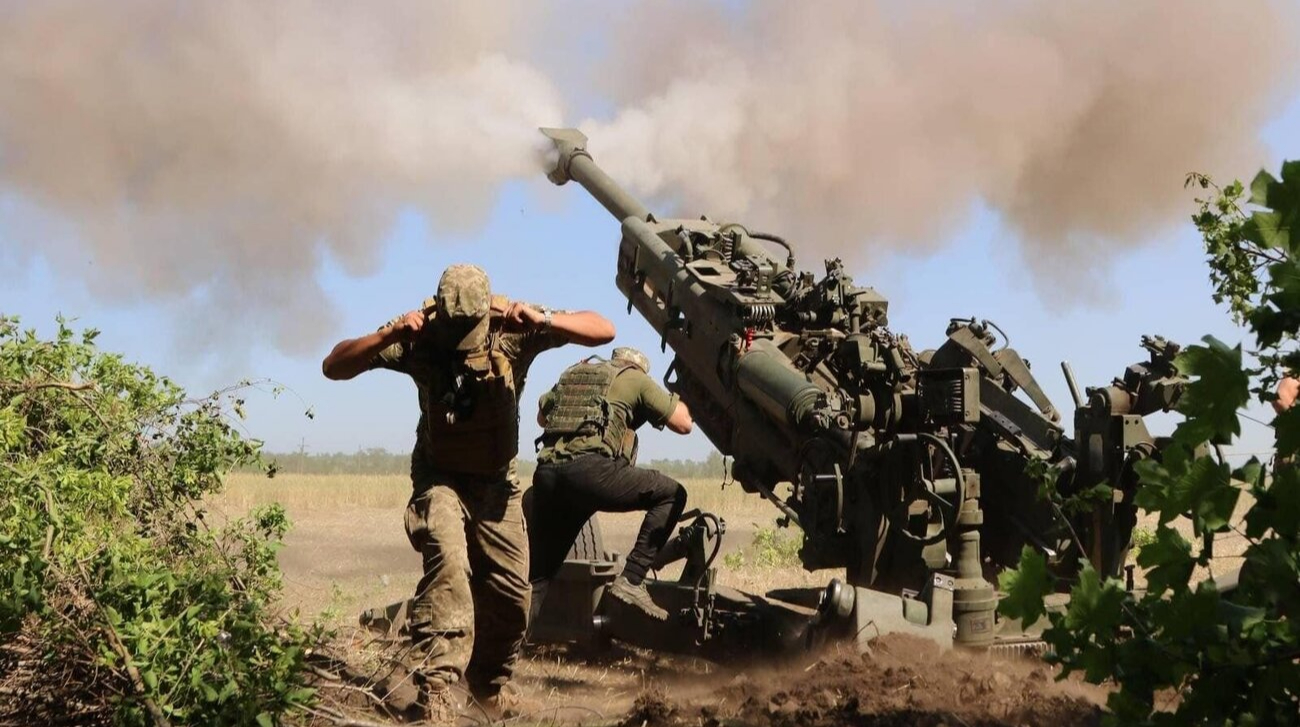
Strike on Iran: Over 2,000 Sites Targeted in Attacks on Power Infrastructure
US-Israeli forces targeted over 2,000 sites in Iran's power infrastructure in a significant strike on Iran, resulting in the deaths of 12 workers and temporary power outages that were restored within hours.[4] This escalation comes amid broader regional tensions, including Iran's reported actions against ships in the Strait of Hormuz, where voices from the Middle East have voiced anger over the strikes.[1][5]
Overview of Recent Events
The recent chain of events in the Middle East has underscored the volatile security dynamics in the region, with military actions unfolding rapidly across key strategic areas. US-Israeli strikes on Iran's power infrastructure marked a major development, targeting over 2,000 sites and causing immediate disruptions, including the loss of 12 workers' lives.[4] Concurrently, Iran has been reported to have fired upon three ships navigating the critical Strait of Hormuz, a vital global shipping chokepoint, heightening fears of broader conflict.[5] These incidents reflect an intensification of longstanding rivalries, where actions in one domain—such as infrastructure attacks—prompt retaliatory measures in another, like maritime confrontations. Official statements from Iranian authorities highlight the scale of the strikes, while reports of naval engagements emphasize the precarious state of regional waterways.[4][5] The interplay between these events illustrates how interconnected flashpoints can amplify tensions, drawing international attention to the potential for wider repercussions in energy security and trade routes.
Details of US-Israeli Strikes on Iran
The US-Israeli strikes on Iran focused precisely on the nation's power infrastructure, with an official from Iran's deputy energy ministry confirming that more than 2,000 sites were hit.[4] This operation resulted in the tragic deaths of 12 workers involved in the energy sector, underscoring the human cost of such targeted military actions. Power outages ensued across affected areas, disrupting normal operations temporarily, though restoration efforts were swiftly undertaken and completed within hours, demonstrating resilience in Iran's energy grid management.[4] The choice of power infrastructure as a target points to a strategic aim to impair operational capabilities without necessarily pursuing total destruction, as evidenced by the quick recovery. Iranian officials have publicly detailed these impacts, framing the attacks as a severe provocation that demands response. The precision and scale—over 2,000 sites—suggest a coordinated effort leveraging advanced intelligence and weaponry, though specifics on the military assets deployed remain tied to the official Iranian assessment.[4] This strike on Iran represents a calculated escalation, balancing immediate effects with the possibility of controlled fallout, as the rapid restoration mitigated longer-term blackouts.
Iran's Actions in the Strait of Hormuz
In response to escalating regional pressures, Iran reportedly opened fire on three ships transiting the Strait of Hormuz, a narrow waterway essential for global oil shipments.[1] This action was described amid ongoing tensions, positioning it as part of a broader pattern of maritime assertiveness by Iranian forces.[1][2] Further reports indicate that following the targeting of these three vessels, Iran proceeded to seize two of them, amplifying concerns over the safety of commercial shipping in this strategic corridor.[3] The Strait of Hormuz, often called a global shipping route under threat, has long been a focal point for such incidents, where naval maneuvers can swiftly disrupt international trade.[2] Iranian forces' decision to both fire upon and capture ships signals a direct challenge to maritime freedom, potentially linked to retaliatory motives following the US-Israeli strikes.[1][3] These developments have placed ship operators and international navies on high alert, as the seizure of two out of three targeted vessels demonstrates Iran's capacity to enforce control in contested waters.[3] The brevity of the engagements does not diminish their implications, as even short-lived actions can instill lasting uncertainty in one of the world's most vital sea lanes.
Regional Reactions to the Strikes
Voices across the Middle East have expressed considerable anger regarding the US-Israeli strikes on Iran, reflecting a wave of condemnation that reverberates through the region.[5] This sentiment underscores a shared perception of the attacks as an aggressive overreach, fueling rhetorical support for Iran amid the infrastructure targeting.[5] Regional commentators and officials have highlighted the strikes' disproportionate impact, particularly the loss of civilian workers and the assault on critical energy assets, which many view as destabilizing to the broader balance of power.[5] The outpouring of frustration points to deepening divides, where the US-Israeli actions are seen not in isolation but as part of a pattern exacerbating proxy conflicts and alliances. Such reactions often manifest in public statements and media coverage, amplifying calls for restraint or retaliation depending on the stakeholder.[5] The collective anger serves as a barometer for regional solidarity, potentially influencing diplomatic maneuvers and public opinion in the coming days.
Current Status and Outcomes
Following the US-Israeli strikes on Iran's power infrastructure, the immediate consequences have been contained, with outages restored within hours despite the extensive targeting of over 2,000 sites.[4] The 12 worker deaths stand as the most poignant outcome, prompting official acknowledgment from Iran's deputy energy minister and likely internal reviews of security protocols at energy facilities.[4] Restoration efforts highlight the robustness of contingency measures in place, allowing power to resume quickly and averting prolonged economic disruption. This swift recovery suggests that while the strikes achieved tactical disruption, they did not inflict irreversible damage on Iran's energy production capacity.[4] As of the latest reports, no further cascading effects on power supply have been noted, positioning the incident as a contained but symbolically charged event. The outcomes reinforce the tactical nature of such operations, where psychological and signaling impacts may outweigh purely physical ones in the short term.[4]
What to watch next: Ongoing tensions in the Strait of Hormuz could see further Iranian naval actions against shipping, while regional voices continue to voice anger that may shape diplomatic responses to the strikes.[1][3][5]