
Strike on Iran: Outcry Grows Over U.S.-Israeli Attacks
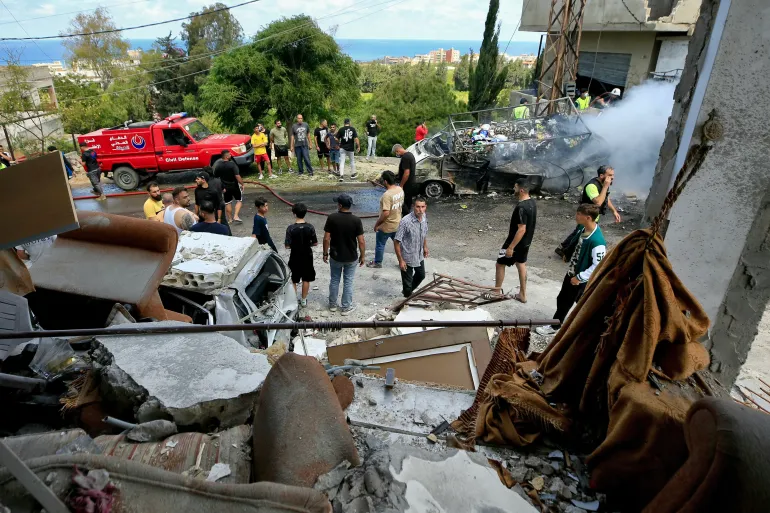
Outcry grows over U.S.-Israeli strikes on Iran.[1] The recent strike Iran developments have sparked widespread reaction, with reports detailing serious injuries to key Iranian leadership figures, U.S. naval orders targeting Iranian vessels, and Iran's activation of air defenses in its capital. These events, centered around military engagements in the region, have heightened tensions, particularly amid Iran's activities in the Strait of Hormuz and defensive measures in Tehran.
Overview of the Strikes
The U.S.-Israeli strikes on Iran have triggered significant outcry, as reported in international coverage.[1] This reaction underscores the gravity of the military actions, which have drawn global attention to the escalating conflict between the involved parties. The strikes represent a direct confrontation, with implications for regional stability and international relations. According to available reports, the operations targeted Iranian positions, leading to immediate consequences for the country's leadership and military posture.
Public response has been marked by vocal opposition, reflecting concerns over the strikes' scope and potential for broader escalation. The outcry is tied directly to the nature of the U.S.-Israeli coordination, which has been highlighted as a pivotal element in the events.[1] This collaboration has amplified the strikes' impact, prompting discussions on the strategic objectives behind them. While details on the exact targets remain limited to confirmed reports, the overall narrative points to a calculated response to perceived Iranian provocations.
The sequence of events began with the execution of the strikes, followed swiftly by revelations of their effects on high-profile individuals within Iran. This has fueled the growing outcry, as observers note the human cost alongside the geopolitical ramifications. The strikes have not only physical repercussions but also symbolic ones, challenging the continuity of Iranian authority.[1] Coverage from Xinhua emphasizes the repetitive nature of the outcry phrase, indicating sustained media focus on the issue across platforms.
In summarizing the main events, the U.S.-Israeli strikes stand as the catalyst for the current crisis, with public reaction intensifying as more details emerge. This overview captures the initial shockwaves, setting the stage for deeper examination of specific impacts and responses.[1]
Impact on Iranian Leadership
Reports indicate that Mojtaba Khamenei has suffered serious injuries in the U.S.-Israeli strikes and may require plastic surgery.[2] This development has raised questions about the health and operational capacity of key figures in the Iranian regime. According to Hindustan Times, these injuries have necessitated alternative communication methods, with Mojtaba Khamenei maintaining contact with the regime via letters passed through a human chain.[2] Such measures highlight the severity of his condition and the disruptions it has caused to standard leadership protocols.
Further details from Newsmax describe Ayatollah Mojtaba Khamenei, who has been unseen and unheard from since assuming the role of Iran's supreme leader in March, as having been badly wounded in the strike that killed his father.[3] The injuries are severe enough that he now struggles to speak, will require plastic surgery, and is awaiting a prosthetic leg.[3] This level of impairment suggests long-term consequences for his public and private functions, potentially affecting decision-making processes within the regime.
The combination of these reports paints a picture of significant vulnerability at the top of Iran's leadership structure.[2][3] The need for plastic surgery addresses visible damage, while the prosthetic leg requirement points to mobility issues stemming from the blast or subsequent effects. Ayatollah Mojtaba Khamenei's absence from view since March aligns with the timeline of the strike, implying a direct link between the attack and his current state.[3] The strike that killed his father adds a layer of familial tragedy to the political crisis, compounding the regime's challenges.
These injuries have broader implications for Iran's internal cohesion, as the supreme leader's compromised health could influence policy continuity and public perception of strength.[2][3] The use of a human chain for letters underscores operational secrecy and caution, possibly to shield him from further threats.[2] Overall, the impact on Iranian leadership reveals the precision and reach of the U.S.-Israeli strikes, targeting not just infrastructure but personnel at the highest levels.
{IMAGE_2}
Details on Khamenei's Reported Injuries
Ayatollah Mojtaba Khamenei's injuries from the strike Iran incident are multifaceted, encompassing facial disfigurement requiring plastic surgery and lower limb damage necessitating a prosthetic leg.[3] Newsmax reports that he struggles to speak, a condition likely resulting from the trauma of the attack that also claimed his father's life.[3] This unseen leader, who took over in March, has been out of the public eye, with his wounds preventing normal engagement.
The necessity for plastic surgery points to burns, shrapnel, or blast-related facial injuries common in such strikes.[2][3] Coupled with the prosthetic leg, these details suggest explosive force impacting multiple body areas. Hindustan Times corroborates the serious nature, noting potential surgical interventions ahead.[2] The human chain communication method further illustrates his isolation, as physical limitations prevent direct interaction.[2]
These injuries align with key facts emerging from the strike Iran aftermath, where leadership figures bore the brunt.[2][3] The regime's reliance on indirect letters indicates adaptive measures to maintain command despite personal setbacks.[2] Struggles with speech could impair speeches or meetings, vital for a supreme leader's role.[3]
U.S. Military Actions
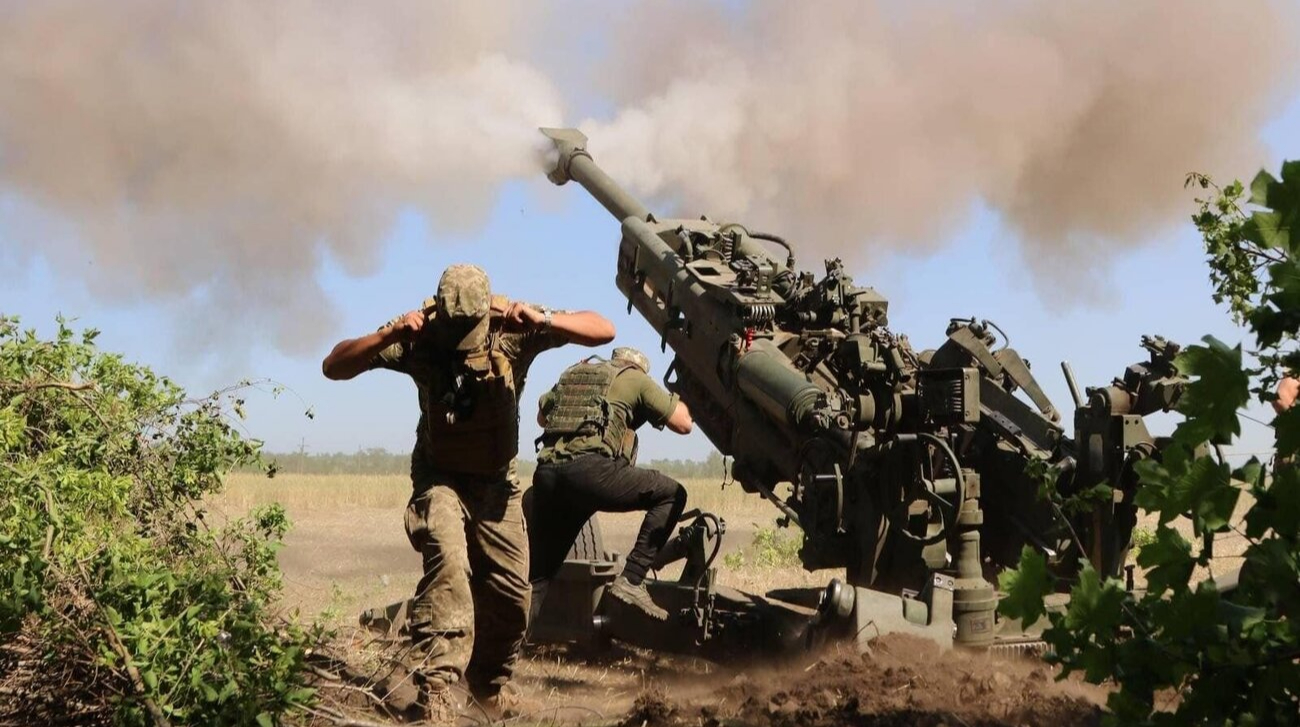
Donald Trump has ordered the U.S. Navy to attack Iranian boats laying mines in the Strait of Hormuz.[4] This directive comes amid Iran's vow to keep the key shipping route closed to all but a few vessels, escalating naval tensions in the region.[4] The NZ Herald reports frame this as a direct U.S. response to Iranian mining activities, which threaten global maritime trade.
The Strait of Hormuz, a critical chokepoint for oil shipments, has long been a flashpoint, and Iran's actions prompted the naval orders.[4] Trump's command authorizes strikes on boats involved in mine-laying, aiming to secure passage and deter further disruptions. Iran's closure vow heightens the stakes, positioning the area as a potential battleground.[4]
This U.S. military action complements the broader strike Iran context, demonstrating coordinated pressure on Iranian operations.[4] The Navy's involvement ensures enforcement, with attacks targeting specific threats to navigation safety.
{IMAGE_3}
Iran's Defensive Responses
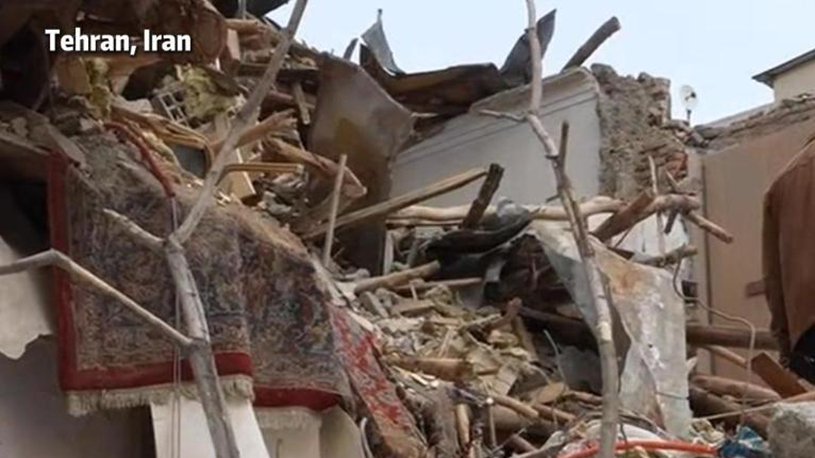
Iran has activated its air defenses in Tehran, with explosions reported from engagements against hostile targets.[5] According to Clarin, state media like Tehran Times confirmed defenses active over the capital, accompanied by video of anti-aircraft fire.[5] Agency Mehr specified activation against hostile objectives, indicating an alert status amid perceived threats.
Explosions heard in Tehran signal active intercepts, possibly linked to the U.S.-Israeli strikes or follow-on incursions.[5] The Tehran Times' X post, with visuals of skyward shots, documents the defensive posture.[5] This response demonstrates Iran's readiness to counter aerial incursions in its core urban center.
Tensions in the Strait of Hormuz
The Strait of Hormuz remains central to the strike Iran developments, with Iranian boats laying mines prompting U.S. Navy attacks under Trump's orders.[4] Iran's commitment to restricting access underscores its strategic leverage over energy routes.[4] This naval dimension adds to the multi-front challenges Iran faces post-strikes.
Mine-laying threatens commercial shipping, justifying U.S. intervention to maintain open seas.[4] The vows from Iran signal prolonged confrontation, intertwining with leadership injuries and air defense activations.
Broader Regional Reactions
Outcry over the U.S.-Israeli strikes on Iran continues to build, reflecting international concern.[1] Tied to injuries like those of Mojtaba Khamenei and military escalations, reactions highlight fears of wider conflict.[1][2][3][4][5] Coverage emphasizes the interconnected events, from Tehran defenses to Hormuz threats.
What to watch next: Further updates on Ayatollah Mojtaba Khamenei's condition and communication with the regime via human chain, potential U.S. Navy engagements with Iranian boats in the Strait of Hormuz, and ongoing air defense activations in Tehran against hostile targets.[2][3][4][5]