Strike Lebanon kills at least 31 as ground operations expand in south and east
Israeli strike lebanon operations intensified on Tuesday with airstrikes and expanding ground forces targeting multiple areas in southern and eastern Lebanon, producing a high civilian and military toll according to official reports.
Latest wave of Israeli strikes in Lebanon
An intensive wave of Israeli airstrikes combined with advancing ground operations struck locations across southern and eastern Lebanon on Tuesday. The bombardment followed directly after Israeli Prime Minister Benjamin Netanyahu’s public commitment to increase pressure on Hezbollah. Lebanon’s health ministry recorded at least 31 deaths from this single day of attacks, underscoring the rapid pace of the campaign [2]. Reports described coordinated air and artillery fire that hit both urban centers and rural zones, forcing local authorities to manage simultaneous rescue and evacuation tasks. The scale of the strikes reflected a deliberate widening of the front, moving beyond previous patterns of limited exchanges into sustained multi-sector pressure.
Casualty figures and specific incidents
Lebanon’s health ministry confirmed the overall death toll reached at least 31 people from the Tuesday wave alone [2]. Among the documented losses was a Lebanese army soldier killed during an Israeli airstrike in eastern Lebanon while the soldier participated in a humanitarian evacuation mission alongside paramedics [3]. The same incident injured accompanying medical personnel, highlighting risks faced by official responders operating in active strike zones. These verified figures and the targeted nature of the eastern Lebanon attack illustrate how military and civilian movements became entangled in the expanding operations.
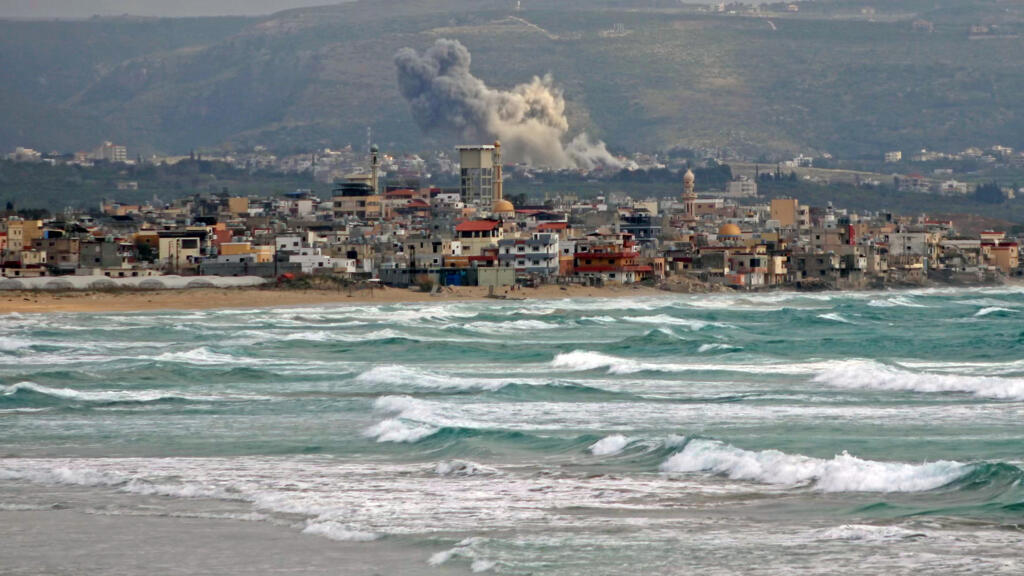
Israeli strikes kill at least 31 in Lebanon as ground operations expand. — Source: myjoyonline
Focus on Nabatieh and forced displacement
Israel issued a forced displacement order for the southern city of Nabatieh on Tuesday, directing residents to leave as part of the broader military effort [1]. The order singled out this major southern population center, prompting questions about the city’s strategic position and the intent behind concentrating pressure there. Evacuation directives added to existing displacement pressures in the south, with local officials tasked with managing the sudden movement of civilians while airstrikes continued in surrounding areas.
Strikes coinciding with Eid al-Adha
Israeli airstrikes killed at least two people early Wednesday, marking the first day of the Muslim holiday Eid al-Adha [5]. The timing placed additional strain on communities already preparing for the festival, as families in both Lebanon and Gaza faced renewed bombardment while attempting to observe the holiday [4]. Lebanese state media noted that air and artillery attacks continued across eastern and southern sectors despite the religious occasion, extending the previous day’s casualty pattern into the holiday period.
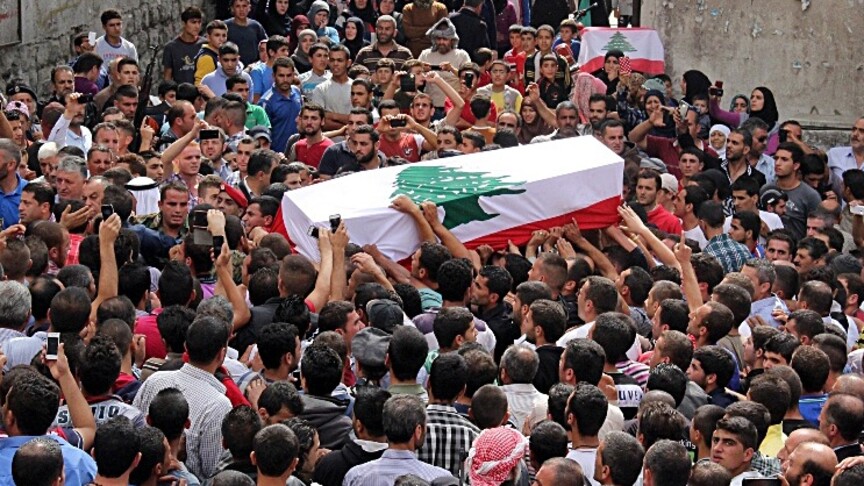
Lebanese army says soldier killed in Israeli airstrike in eastern Lebanon. — Source: anadolu
Israeli government statements
Israeli Prime Minister Benjamin Netanyahu issued a direct vow to step up military actions against Hezbollah immediately before the intensified Tuesday strikes [2]. The statement framed the expanded ground and air operations as a deliberate policy shift, aligning with the observed increase in strike frequency and geographic reach. Official Israeli messaging emphasized sustained pressure on Hezbollah infrastructure and personnel as the rationale for the escalation.
Humanitarian evacuation challenges during strike lebanon
The killing of the Lebanese army soldier during an evacuation mission exposed the dangers confronting organized humanitarian efforts amid ongoing airstrikes [3]. Medical teams and military personnel operating under evacuation orders found themselves exposed to the same aerial attacks targeting broader areas. This incident, combined with the displacement order for Nabatieh, illustrated how civilian movement and official rescue operations intersected with active combat zones, complicating efforts to limit further casualties during the latest wave [2].
What to watch next
Further Israeli airstrikes and ground movements are expected to continue in southern and eastern Lebanon following Netanyahu’s stated intent to intensify operations against Hezbollah, with additional reporting likely on displacement from Nabatieh and any new casualties recorded by the health ministry.