
Strike Lebanon: Key Bridge Reopened Amid Israeli Demolitions
Lebanon has reopened key infrastructure destroyed by Israeli strikes, even as the 10-day ceasefire with Israel faces challenges from ongoing demolitions and an ambush incident.[1][2] In a move signaling efforts to restore normalcy, Beirut has announced the reopening of the Qasmiyeh bridge and the road linking the south, both vital lifelines damaged in the strikes.[1] These developments come amid reports of Israel pushing deeper into Lebanese territory, mapping a buffer zone, and continuing demolitions despite the truce.[1] Tensions were further heightened by an ambush in southern Lebanon that killed a French soldier, allegedly carried out by Hezbollah, straining the fragile agreement.[2] The conflict escalated on March 2 with an Israeli offensive that has resulted in casualties.[1]
Restoration of Key Infrastructure
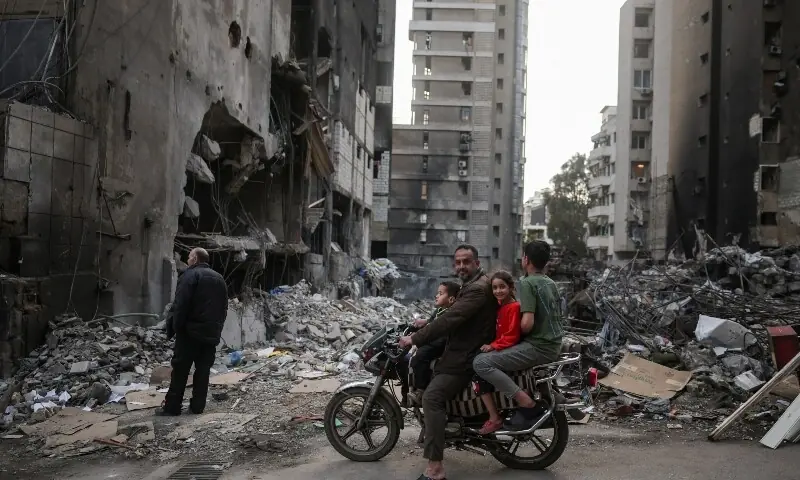
Lebanon's military has taken significant steps to repair and reopen critical infrastructure in the aftermath of Israeli strikes, underscoring the urgency of restoring connectivity for civilians in the affected regions.[1] On Sunday, Beirut announced the reopening of the vital Qasmiyeh bridge and the key road linking the south, both of which had been destroyed during the strikes.[1] This restoration effort is described as a crucial step for civilians, facilitating movement and access in the country's south, where the damage has disrupted daily life and economic activities.[1] The Qasmiyeh bridge, in particular, serves as a major artery connecting southern areas to central Lebanon, making its prompt repair a priority amid ongoing security concerns.[1]
The reopening highlights Lebanon's determination to restore lifelines despite the precarious security environment.[1] By addressing the destruction caused by the strikes swiftly, authorities aim to mitigate the humanitarian impact on local populations reliant on these routes for transportation, supplies, and essential services.[1] This action not only aids in normalizing operations but also demonstrates resilience in the face of repeated infrastructure targeting.[1] The military's announcement emphasizes the strategic importance of these assets, positioning their recovery as a foundational element for broader recovery efforts in the conflict zone.[1] As strike Lebanon updates continue to emerge, such restorations provide a counterpoint to the destruction, offering glimpses of progress even as challenges persist.[1]
Israeli Military Actions
Israel's military operations in Lebanon persist despite the 10-day truce, with reports indicating a push deeper into Lebanese territory and the mapping of a buffer zone inside the country.[1] These actions include extending demolitions, which undermine the ceasefire's intent and contribute to ongoing tensions.[1] Lebanon's military has highlighted continued Israeli occupation and demolitions as direct threats to the fragile agreement, complicating efforts to de-escalate.[1]
The mapping of a buffer zone represents a tactical expansion, positioning Israeli forces further within Lebanese borders to secure strategic positions.[1] This deeper incursion follows the infrastructure strikes that destroyed key sites like the Qasmiyeh bridge and southern roads, suggesting a pattern of operations aimed at reshaping the border area's control dynamics.[1] Demolitions, in particular, have been extended beyond initial strike impacts, affecting civilian-accessible areas and prolonging disruptions.[1] Such moves raise questions about the truce's enforceability, as they occur concurrently with Lebanon's restoration initiatives.[1] In the context of strike Lebanon developments, these military actions illustrate the challenges of maintaining a standoff distance under ceasefire terms, with Israel appearing to prioritize security buffers over immediate withdrawal.[1]
Recent Ambush Incident
A French soldier was killed in an ambush in southern Lebanon, an incident allegedly carried out by Hezbollah, which has introduced new strains on the 10-day Israel-Lebanon ceasefire.[2] The attack is linked to Hezbollah's reported "human shield" strategy, involving a bomb detonation that targeted international forces in the region.[2] This event has drawn French President Emmanuel Macron into the fray, amplifying international attention on the fragile truce.[2]
The ambush underscores the volatile security situation in southern Lebanon, where Hezbollah's tactics are said to exploit civilian and peacekeeping presences for operational advantage.[2] By allegedly using such strategies, the group complicates multinational efforts to stabilize the area, directly impacting ceasefire compliance.[2] The death of the French soldier marks a significant escalation in non-state actor involvement, highlighting risks to foreign personnel deployed amid the Israel-Lebanon standoff.[2] Reports frame this as part of a broader pattern where Hezbollah positions assets in populated or monitored zones, potentially to deter advances or provoke responses.[2] The incident's timing, shortly after infrastructure reopenings, intensifies scrutiny on all parties' adherence to the truce terms.[2]
Status of the Ceasefire
The 10-day truce between Israel and Lebanon is increasingly fragile, undermined by a combination of Israeli demolitions, territorial advances, and the recent ambush incident.[1][2] Lebanon's military has explicitly noted that continued Israeli occupation and demolitions are eroding the agreement's foundation, even as restoration efforts proceed.[1] The killing of a French soldier in the Hezbollah-alleged ambush has further strained the ceasefire, introducing elements of proxy involvement and international repercussions.[2]
These challenges collectively test the truce's viability, with Israel's buffer zone mapping and deeper pushes contrasting sharply against de-escalation expectations.[1] Hezbollah's purported human shield tactics and bomb detonation add layers of complexity, as they provoke responses that could spiral beyond bilateral controls.[2] Macron's involvement signals potential diplomatic fallout, pressuring all sides to reaffirm commitments.[2] In strike Lebanon coverage, the ceasefire's status reflects a delicate balance, where infrastructure recoveries offer hope but military and insurgent actions threaten collapse.[1][2] Ongoing demolitions, in particular, symbolize non-compliance, as they perpetuate the destruction that the truce was meant to halt.[1]
Background of the Escalation
The current tensions trace back to March 2, when the conflict escalated with an Israeli offensive in Lebanon.[1] This operation prompted widespread strikes that destroyed key infrastructure, including the Qasmiyeh bridge and southern roads, and resulted in casualties.[1] The offensive marked a sharp intensification, setting the stage for the subsequent 10-day truce amid mounting pressures.[1]
Lebanon's response, including the rapid reopening of vital lifelines, emerged in this context as a bid to counter the offensive's impacts.[1] Israel's actions, from initial strikes to later demolitions and buffer zone efforts, build on this escalation, framing the buffer as a defensive measure against threats.[1] The fragile truce arrived as a temporary pause, yet events like the ambush reveal persistent undercurrents.[1][2] This background provides essential context for understanding the interplay of restoration, military maneuvers, and ceasefire strains in the region.[1]
What to watch next: Developments in Israeli demolitions and Hezbollah activities could further test the 10-day truce, while Lebanon's infrastructure restorations and international responses, including from France, may influence compliance efforts.[1][2]