Strike Lebanon: Hezbollah Fires Rockets Violating Ceasefire
Hezbollah fired rockets at Israeli troops in southern Lebanon, violating a ceasefire that came into effect on Friday, while Israel has also conducted strikes in the region amid ongoing accusations.[1][2] In a tense escalation following the truce, the Israeli military reported Hezbollah's rocket fire targeting its forces on Tuesday, as local sources confirmed an Israeli airstrike in the Wadi Houjeir valley.[2] Hezbollah, meanwhile, is holding funerals for 44 fighters killed in prior clashes, and reports highlight damage from Israeli actions, including the destruction of a public school in Khiam and impacts on seven churches and a Jesus statue since October 2023.[2][3][5] Hezbollah claims it successfully defended towns like Bint Jbeil and Khiam against Israeli encirclement efforts.[4]
Recent Ceasefire Violations
The ceasefire in southern Lebanon, which took effect on Friday, has faced immediate challenges from actions attributed to both sides, raising concerns about its durability ahead of U.S.-mediated talks between Israel and Lebanon.[1][2] Israeli officials have pointed to Hezbollah's rocket fire on Tuesday as a direct breach, with the military stating that the Iran-backed group targeted its troops in the region.[1] This incident occurred just days after the truce began, underscoring the fragility of the agreement forged after more than six weeks of intense fighting.[2]
Conversely, local reporting from outlets like L’Orient-Le Jour has documented an Israeli airstrike in the Wadi Houjeir valley on the same Tuesday, despite the ceasefire's implementation.[2] Such strikes highlight mutual accusations of non-compliance, with Israel claiming Hezbollah's actions undermine the truce, while Hezbollah and Lebanese sources point to continued Israeli military operations.[1][2] The timing of these violations is particularly notable, as they precede scheduled discussions aimed at stabilizing the border area through diplomatic channels involving the United States.[1]
These early breaches illustrate a pattern where both parties interpret the ceasefire terms differently. Hezbollah has not denied its defensive posture but has focused public statements on commemorating its losses, holding mass funerals for 44 fighters killed during the recent conflict phase.[2] Israel, in response, has emphasized the need for Hezbollah to fully withdraw from forward positions, a condition central to the ceasefire framework.[1] The overlap of these incidents—rockets from Hezbollah and an airstrike from Israel—signals that enforcement mechanisms may require stronger international oversight to prevent further deterioration.[2]
Local observers note that the Wadi Houjeir valley, a strategically vital area in southern Lebanon, has been a flashpoint, with its rugged terrain complicating ground operations and aerial responses.[2] The airstrike there, reported independently by Lebanese media, adds to the tally of post-ceasefire military activity, potentially testing the resolve of mediators.[1][2] As accusations fly, the ceasefire's first few days have revealed underlying tensions that could prolong instability if not addressed promptly.
Specific Military Actions
{IMAGE_2}
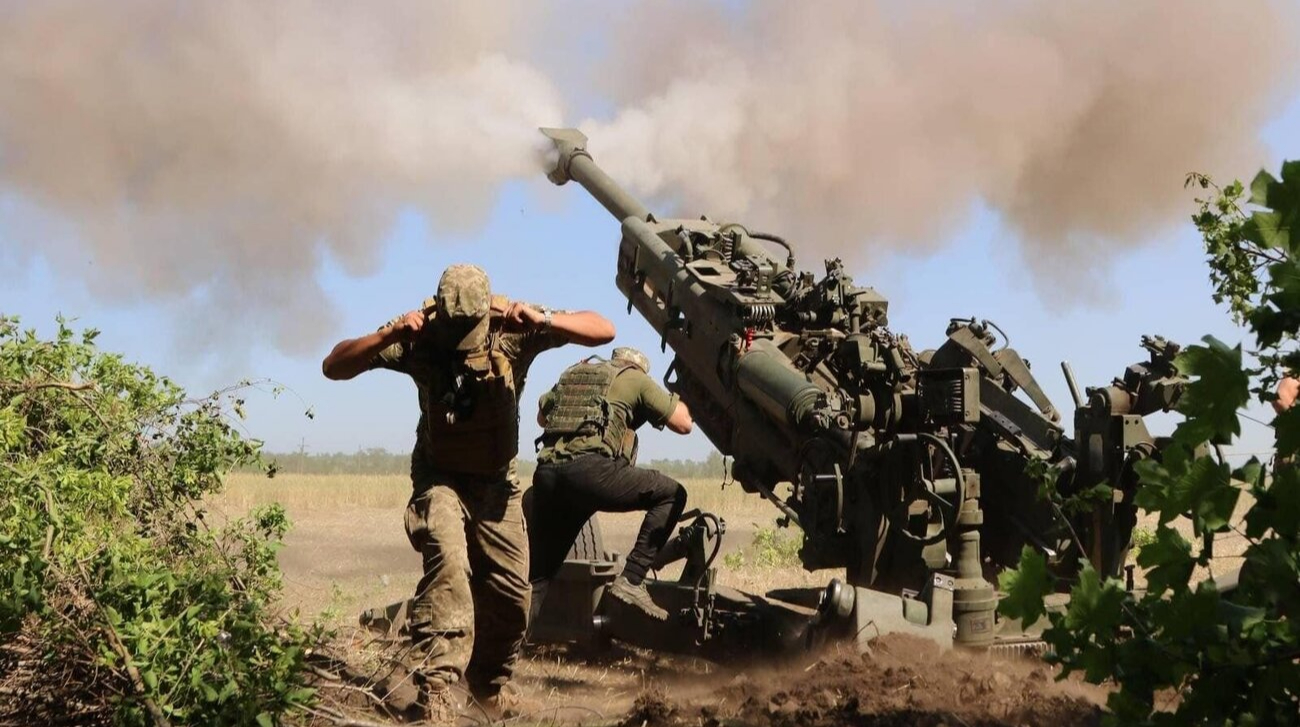
Specific military actions in southern Lebanon have intensified scrutiny over the ceasefire's effectiveness, with Hezbollah launching rockets at Israeli troops and Israel responding with airstrikes in key valleys.[1][2][5] On Tuesday, the Israeli military reported that Hezbollah fired rockets directly at its positions, an action it described as a clear violation amid preparations for U.S.-mediated talks.[1] This rocket fire represents a continuation of tactics employed during the preceding six weeks of conflict, where Hezbollah maintained pressure on advancing Israeli forces.[2]
In parallel, Israel conducted an airstrike in the Wadi Houjeir valley, as confirmed by local sources including L’Orient-Le Jour, striking despite the Friday truce.[2] The valley's location makes it a critical zone for monitoring cross-border movements, and such precision strikes are part of Israel's broader strategy to neutralize perceived threats from Hezbollah positions.[1][2] These events are not isolated; reports also detail the Israeli army rigging and blowing up a public school in the town of Khiam, an action that occurred post-ceasefire and destroyed the school building with explosives.[5]
The destruction of the Khiam school underscores the extent of military operations extending into civilian areas, even after the formal halt in major hostilities.[5] Hezbollah's rocket launches, meanwhile, were aimed at troops in southern Lebanon, reflecting the group's capability to sustain fire support despite losses.[1] Analysts reviewing these incidents note that the Wadi Houjeir strike in Lebanon highlights Israel's use of air power to maintain dominance in contested terrains, while Hezbollah's responses demonstrate resilience in asymmetric warfare.[2]
Further context from the ground reveals that these actions follow a period of heavy bombardment, with both sides maneuvering in areas like Khiam, where infrastructure has borne the brunt.[5] The rocket fire by Hezbollah serves as a deterrent signal, while Israel's airstrike and school demolition indicate a preemptive approach to securing buffer zones.[1][2][5] Such tit-for-tat engagements risk spiraling if not contained, particularly as they coincide with diplomatic overtures.[1]
Impact on Infrastructure and Holy Sites
Israeli attacks in Lebanon have extended beyond military targets, causing significant damage to civilian infrastructure and religious sites, including seven churches and a statue of Jesus since October 2023.[3][5] The blowing up of a public school in Khiam town exemplifies this impact, where the Israeli army rigged the building with explosives and detonated it despite the ceasefire, leading to its complete destruction.[5] This incident in southern Lebanon highlights how educational facilities have been caught in the crossfire of ongoing operations.
Christian holy sites have also suffered, with reports detailing damage to seven churches and a statue depicting Jesus during Israel's military campaigns starting from October 2023.[3] These structures, integral to Lebanon's diverse religious landscape, were not spared, pointing to the broad scope of destruction in areas of intense fighting.[3] The loss of such sites compounds the humanitarian toll, as communities in southern Lebanon grapple with rebuilding amid persistent insecurity.
The school in Khiam, a public institution serving local residents, was reduced to rubble post-ceasefire, raising questions about the protection of non-combatant assets under truce conditions.[5] Similarly, the churches and Jesus statue damage reflects a pattern where religious landmarks in Hezbollah-stronghold regions have been affected by airstrikes and ground operations.[3] These impacts disrupt daily life and cultural heritage, with long-term implications for reconciliation in multi-confessional Lebanon.
Documented since the escalation in late 2023, these damages illustrate the sustained nature of the conflict's footprint on infrastructure.[3][5] The public school's destruction, in particular, deprives children of education in an already strained environment, while the holy sites' harm affects spiritual centers for Christian populations.[3][5]
Hezbollah's Defense and Response
{IMAGE_3}
Hezbollah has mounted a robust defense in southern Lebanon, particularly in the towns of Bint Jbeil and Khiam, thwarting repeated Israeli attempts to encircle and capture them.[4] For weeks, Israel bombarded these locations, deploying heavy firepower to isolate the areas, yet neither town fell to the invading forces.[4] This outcome exposed limitations in Israel's ground strategy against entrenched defenders leveraging the terrain's strategic advantages.[4]
Sources close to Hezbollah describe how the group held these redoubts, which carry both symbolic and tactical importance in south Lebanon.[4] Bint Jbeil and Khiam served as key Hezbollah positions, resisting encirclement through a combination of fortified defenses and local knowledge of the landscape.[4] The failure to fully seize these towns demonstrates Hezbollah's effectiveness in prolonged engagements, even under intense aerial and artillery barrages.[4]
In response to losses, Hezbollah organized mass funerals for 44 fighters killed over six weeks of fighting, a public display of resilience and mourning.[2] These ceremonies accompany statements portraying the group's actions as defensive, countering Israeli advances while maintaining forward lines.[2][4] The defense of Bint Jbeil and Khiam not only preserved Hezbollah's presence but also boosted morale amid high casualties.[4]
The terrain's role cannot be overstated; its contours favored Hezbollah's guerrilla tactics, limiting Israel's ability to achieve decisive gains despite superior airpower.[4] This stalemate in these towns contributed to the ceasefire's context, as Hezbollah claimed successful repulsion of encirclement efforts.[2][4]
Current Accusations and Context
Mutual accusations dominate the narrative around the ceasefire, with Israel charging Hezbollah with rocket violations and Hezbollah countering with claims of Israeli strikes.[1][2] The Israeli military's report of rockets fired at its troops on Tuesday frames Hezbollah as the primary aggressor, especially ahead of U.S.-mediated talks between Israel and Lebanon.[1] Lebanese officials and Hezbollah, however, highlight Israeli actions like the Wadi Houjeir airstrike as equally provocative.[2]
This exchange occurs against a backdrop of over six weeks of prior combat, resulting in significant Hezbollah casualties, now commemorated through funerals for 44 fighters.[2] The U.S.-brokered truce aims to de-escalate, but early incidents suggest persistent distrust.[1] Broader context includes Israel's push for Hezbollah's withdrawal from the border, met with resistance framed as legitimate defense.[1][2]
Accusations from top Lebanese officials warn of escalation risks, while Israel's stance emphasizes enforcement to protect its forces.[2] The interplay of these claims shapes diplomatic efforts, with talks this week critical for compliance.[1]
What to Watch Next
Upcoming U.S.-mediated talks between Israel and Lebanon will be pivotal in addressing ceasefire violations, including Hezbollah's rocket fire and Israeli strikes, as both sides continue mutual accusations.[1][2] Monitoring compliance in flashpoints like Wadi Houjeir and Khiam remains essential amid ongoing funerals and defensive postures.[2][4]