
Strike Iran: Three Vessels Hit by Gunfire in Strait of Hormuz
At least three vessels were hit by gunfire in the Strait of Hormuz, with all crews reported safe.[1] This incident unfolds amid heightened tensions in the region, where Iran has imposed restrictions on ships using the strait in retaliation for U.S.-Israeli bombardment and a U.S. blockade.[1] The "strike Iran" context highlights the precarious navigation through one of the world's most critical maritime chokepoints, as reported by maritime security sources and the United Kingdom Maritime Trade Operations (UKMTO).[1]
Overview of the Incidents
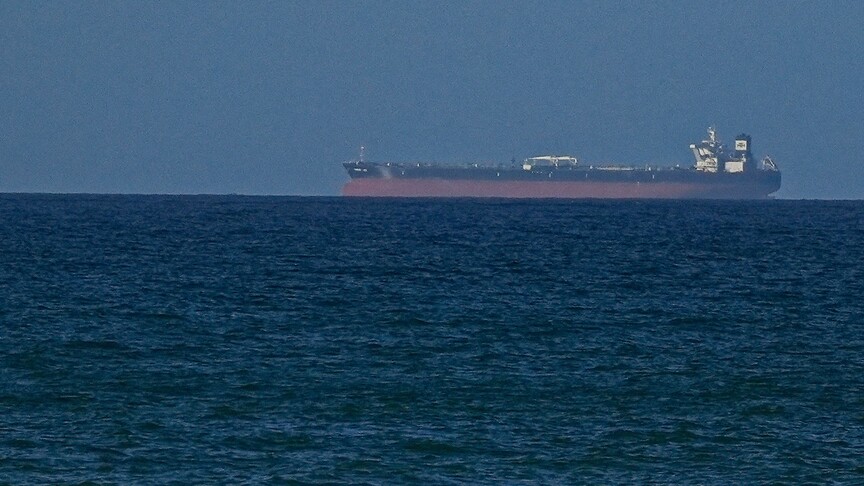
The Strait of Hormuz, a vital artery for global oil shipments, has become a flashpoint for escalating maritime confrontations. On Wednesday, at least three container ships were struck by gunfire, according to maritime security sources and UKMTO advisories.[1] These attacks underscore the volatile security environment in the strait, where international shipping faces immediate threats from regional actors. Iran has responded to recent military actions by enforcing restrictions on vessel transit, complicating safe passage for commercial traffic.[1]
A second notable incident involved a cargo ship coming under fire near the Iranian coast, marking the second such attack within a mere three hours, as detailed by UKMTO.[2] This rapid succession of events points to a pattern of aggressive interdictions targeting vessels in close proximity to Iranian waters. The UK maritime agency emphasized the need for heightened vigilance, noting that such strikes disrupt normal shipping operations and raise alarms about potential broader disruptions to global trade routes.[2] The incidents collectively illustrate the immediate risks to merchant fleets navigating the strait, with gunfire directed at multiple targets in quick sequence.[1][2]
Maritime authorities have urged ships to maintain strict security protocols, including increased speeds and evasive maneuvers, in response to these threats. The overview from UKMTO reports paints a picture of coordinated or opportunistic attacks, potentially linked to Iran's broader strategic posture amid ongoing conflicts.[1][2] As container ships—key to international supply chains—bear the brunt, the economic ripple effects could extend far beyond the strait, affecting oil prices and commodity flows worldwide.
Details of Specific Attacks
Among the vessels targeted was the Greek-owned, Liberia-flagged container ship Epaminondas (IMO 9153862), which suffered a direct attack from an Iranian Islamic Revolutionary Guard Corps (IRGC) patrol boat.[3][4] Maritime security firm Diaplous reported that the vessel's master observed the IRGC boat approaching without prior warning before opening fire, resulting in significant damage to the ship's bridge.[3][4]
The Epaminondas is managed by Maersk and operated by MSC, highlighting the involvement of major global shipping operators in these perilous waters.[3][4] Ekathimerini detailed that the gunboat fired upon the container ship without provocation, causing structural harm that could impair navigation and command functions.[4] Greek Reporter corroborated this, noting the attack occurred amidst escalating tensions in the Persian Gulf, with the IRGC patrol boat closing in aggressively on the Liberian-flagged vessel.[3]
These specifics reveal the tactical nature of the assaults: close-range engagements by fast patrol boats equipped with firearms, aimed at disabling key areas like the bridge.[3][4] The Epaminondas incident stands out due to the confirmed identity of the attacker and the extent of damage, differentiating it from the broader reports of gunfire on other vessels.[1][3][4] Such precision strikes on commercial shipping not only endanger lives but also signal a deliberate escalation in hybrid warfare tactics employed in the strait.
Context of Iran's Restrictions
Iran's imposition of restrictions on ships transiting the Strait of Hormuz stems directly from retaliatory measures against U.S.-Israeli bombardment of the country.[1] Initially enacted in response to these airstrikes, the limitations were further tightened following the establishment of a U.S. blockade, creating a layered security regime that scrutinizes and impedes vessel movements.[1]
Cyprus Mail reports that these curbs are part of a tit-for-tat dynamic, where Iran leverages its geographic control over the strait to counter perceived aggressions.[1] The strait, narrow and strategically vital, allows Iran to enforce compliance through patrols and warnings, effectively slowing or diverting traffic.[1] This context frames the gunfire incidents as extensions of Iran's defensive posture, transforming a commercial waterway into a militarized zone.[1]
The restrictions have practical implications, such as mandatory reporting requirements or rerouting advisories, which UKMTO has disseminated to mariners.[1] In the wake of U.S.-Israeli actions, including bombardments that reportedly targeted high-level Iranian leadership, Tehran's response prioritizes survival and deterrence, as echoed in broader analyses of the conflict.[1][5] Asia Times notes that the U.S.-Israeli assault aimed to decapitate Iranian leadership, killing the Supreme Leader and top officials, yet Iran persists, using maritime restrictions as a non-kinetic tool to assert resilience.[5]
Crew Safety and Vessel Outcomes
Across all reported incidents, crews remained safe with no injuries documented, a critical detail emphasized by multiple authorities.[1][2][4] For the three vessels hit by gunfire, UKMTO and maritime sources confirmed the well-being of all personnel aboard, allowing for orderly responses post-attack.[1]
The cargo ship targeted in the second strike near the Iranian coast reported no damage to the vessel itself, with UKMTO stating explicitly that all crew were safe.[2] In contrast, the Epaminondas sustained significant damage to its bridge from IRGC gunfire, yet the crew emerged unscathed, as verified by Greek authorities and operators.[4] Managed by Maersk and operated by MSC, the ship’s robust safety measures likely contributed to this outcome, including reinforced structures and rapid alerting protocols.[3][4]
Cyprus Mail's coverage reinforces the uniform safety of crews on the three affected container ships, attributing this to professional seamanship and immediate evasive actions.[1] Ekathimerini adds that despite the bridge damage on Epaminondas—owned by Greece’s Technomar Shipping—the absence of casualties underscores effective emergency procedures amid live fire.[4] Vessel outcomes vary: while one cargo ship escaped unscathed, others like Epaminondas face repair needs, potentially sidelining them from service and incurring substantial costs.[2][4]
These reports highlight the human element in high-risk transits, where crew training and vessel design mitigate the worst outcomes of such strikes.[1][2][4]
Recent Developments
The timing of the attacks reveals a compressed timeline of aggression, with a second cargo ship struck near the Iranian coast just three hours after the initial incidents.[2] UKMTO's alert on this rapid follow-up attack signals an intensifying operational tempo in the strait, where threats materialize in quick succession.[2]
Anadolu Agency's reporting frames this as part of a "2nd such attack in just 3 hours," pointing to possible heightened IRGC patrols responding to the same triggers.[2] This sequence—three vessels first, then another nearby—suggests opportunistic targeting of vessels perceived as vulnerable or non-compliant with restrictions.[1][2] The UK maritime agency's emphasis on crew safety amid no vessel damage in the latest strike provides a measure of reassurance, but the pace raises concerns over sustained threats.[2]
Developments like these could presage further interdictions, as Iran's restrictions remain in force, intertwining with the broader U.S.-Iran confrontation.[1][2]
What to watch next: Monitor UKMTO advisories for updates on additional vessel transits under Iran's restrictions and any escalation in IRGC patrols, as the strait remains a focal point for retaliatory actions following U.S.-Israeli bombardments.[1][2]