
Strike Iran: Reports of Vessel Attacks Near Strait of Hormuz
Iran has reimposed control over the Strait of Hormuz, leading to reports of gunfire and attacks on vessels amid ongoing tensions in what has been termed the Strike Iran developments.[3][5] A French peacekeeper was killed in an attack in southern Lebanon, which French officials attribute to Iran-backed Hezbollah, though the group denies involvement.[1][4] India summoned the Iranian ambassador to express deep concern after two Indian-flagged vessels were attacked near the Strait of Hormuz.[2] These incidents come as Iran reversed its brief reopening of the strait, with some ships retreating and others reporting gunfire in protest against a US naval blockade.[3][5] The Iranian army has begun attacking vessels attempting to pass through the strait, heightening fears over one of the world's most critical maritime chokepoints.[5]
Overview of Recent Incidents Involving Iran
Recent reports highlight a series of tense confrontations centered on Iran's actions in the Strait of Hormuz and spillover effects in the region. Tracking data indicated that a handful of oil and gas tankers managed to cross the strait on Saturday during a brief period when it was reopened, but the situation quickly deteriorated.[3] Other vessels retreated amid the uncertainty, and two were reportedly attacked as Iran moved to close the route once more.[3] This reversal cast significant doubt on US President Donald Trump's optimism expressed the previous day, where he suggested a peace deal to end what sources describe as the US-Israeli war with Iran was "very close."[3] Iran's decision to reimpose control was explicitly linked to protesting an ongoing US naval blockade, prompting the Iranian army to begin targeting vessels attempting passage.[5] These events underscore the volatile toing and froing over the strait, transforming a narrow waterway vital for global energy supplies into a flashpoint of military posturing.[3][5] The brief reopening had followed Iran's pledge during a ceasefire in the conflict, but that commitment was swiftly abandoned, signaling deepening hostilities.[3] Observers note that such actions not only disrupt commercial traffic but also amplify broader regional instability, with Iran's military directly engaging ships to enforce its renewed dominance.[5]
Attacks on Vessels Near the Strait of Hormuz
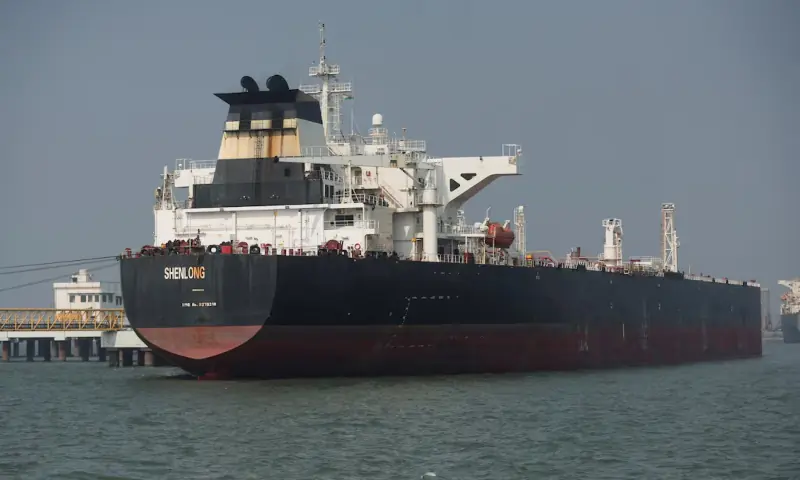
Specific incidents of vessel attacks near the Strait of Hormuz have drawn sharp international attention, particularly those involving commercial shipping. Two Indian-flagged tankers came under fire in a shooting incident, prompting immediate diplomatic action from New Delhi.[2] Reports also detail gunfire exchanges as ships navigated the area, with some retreating in response to the threats.[3] During the short window of reopening, while select oil and gas tankers transited successfully according to tracking data, the overall environment remained perilous, leading to attacks on at least two vessels as Iran shut down access again.[3] The Iranian army's role has been explicit, with forces beginning to attack any vessels attempting to pass through the strait, a move tied directly to the reclosure over the US naval blockade.[5] These assaults occurred amid the Strike Iran tensions, where Iran's reversal of its ceasefire pledge to allow commercial traffic escalated the risks for mariners.[3] The attacks not only involved reported gunfire but also forced tactical retreats by other ships, illustrating the immediate hazards posed by Iran's reimposed control.[3][5] Such events near this strategically vital passage, through which a significant portion of global oil flows, have raised alarms about potential disruptions to international trade and energy markets, though details remain confined to the reported incidents.[2][3]
Incident Involving French Peacekeeper in Lebanon
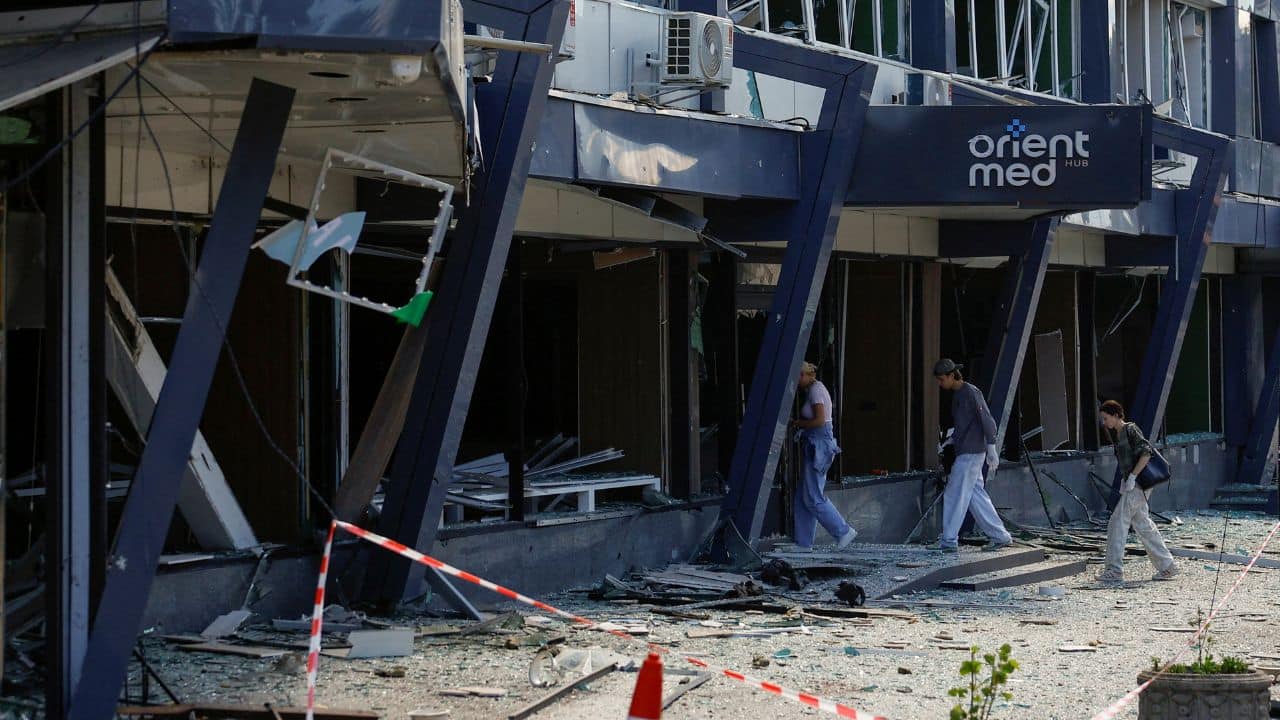
An attack in southern Lebanon resulted in the death of a French peacekeeper, adding another layer to the regional tensions linked to Iran-backed groups. The soldier was killed, and three others were wounded while clearing a road as part of the UNIFIL mission.[4] French officials, including President Emmanuel Macron, attributed the assault to Iran-backed Hezbollah, describing it as an unacceptable act.[1][4] Hezbollah, however, denied any connection to the incident.[1] UNIFIL peacekeepers echoed the assessment that the attack was likely carried out by the group.[4] Macron personally condemned the violence in calls with Lebanese President Joseph Aoun and Prime Minister Nawaf Salam, emphasizing the gravity of the strike on international forces.[4] This event occurred in the context of ongoing operations in southern Lebanon, where UN missions face persistent threats.[4] The loss of the French soldier underscores vulnerabilities for multinational peacekeeping efforts amid attributions to Iran-supported militias, even as the accused party rejects involvement.[1][4] Details from the scene, including the nature of the roadside attack, highlight the tactical risks peacekeepers encounter in the area.[4]
International Reactions and Responses
Affected nations have responded swiftly to the incidents, signaling diplomatic pushback against Iran's actions. India took decisive steps by summoning Iran's ambassador to India, Dr. Mohammad Fathali, for a meeting with the foreign secretary on Saturday evening.[2] During this encounter, India's Ministry of External Affairs conveyed the country's "deep concern" over the shooting incident involving two Indian-flagged vessels near the Strait of Hormuz.[2] In parallel, France's leadership reacted strongly to the Lebanon attack, with President Macron blaming Hezbollah and issuing condemnations directly to Lebanese authorities.[1][4] His office described the assault on the UN mission as "unacceptable," reflecting heightened bilateral communications with Lebanon.[4] These responses illustrate a pattern of official protests and summonses aimed at holding Iran and its proxies accountable.[1][2][4] India's action, in particular, focused on the direct impact to its flagged ships, while France's centered on the human cost to its personnel.[2][4] Such diplomatic maneuvers occur against the backdrop of Iran's strait closures and vessel attacks, prompting countries with stakes in the region to voice concerns formally.[1][2]
Current Status of the Strait of Hormuz
Iran has firmly reclosed the Strait of Hormuz, reversing its earlier brief reopening and maintaining control amid protests against a US naval blockade.[3][5] Ships reporting gunfire and facing attacks have altered courses, with some retreating after initial attempts to transit during the short open period.[3] The Iranian army continues to target vessels seeking passage, enforcing the shutdown decisively.[5] This status quo revives doubts about any near-term de-escalation, especially following Trump's comments on a potential peace deal.[3] The strait's role as a conduit for oil and gas tankers amplifies the stakes, as the back-and-forth access has already led to confirmed attacks and retreats.[3][5] Iran's explicit linkage of the reclosure to the US blockade positions the waterway as a bargaining chip in the broader conflict.[5] Commercial traffic remains stalled, with military enforcement dictating movement.[3][5]
What to watch next: Monitor developments in the Strait of Hormuz for any further vessel transits or attacks, as well as diplomatic fallout from India and France's summonses and condemnations, amid Iran's ongoing protests against the US naval blockade.[2][3][5]