
Strike Iran: Reports of Gunfire as Strait of Hormuz Is Reclosed
Iran has reimposed control over the Strait of Hormuz, with ships reporting gunfire and attacks as the route was closed again amid ongoing tensions.[1][4] In a move that underscores the volatility strike Iran actions in the region, merchant vessels received direct warnings from Iran's navy, and tracking data revealed a brief window of passage for some tankers before the strait was shut down once more.[1][4] This reclosure has drawn international scrutiny, including diplomatic responses from nations like India and connections to broader conflicts involving Iran-backed groups.[2][5]
Reimposition of Control Over Strait of Hormuz
Iran's decision to reimpose control over the Strait of Hormuz marks a significant escalation in maritime restrictions, reversing a short-lived pledge to allow commercial traffic.[1][3] According to tracking data, a handful of oil and gas tankers managed to cross the strait on Saturday during this brief reopening period, but many others chose to retreat amid the uncertainty.[1] Iran's navy issued radio messages to merchant vessels attempting passage, explicitly stating they were not permitted to proceed, which effectively signaled the route's closure.[4]
This action follows Iran's reversal of its earlier commitment to reopen the strait during what was described as a ceasefire phase in related conflicts.[1] The reimposition is directly tied to protests over ongoing issues, including a reported US naval blockade, prompting the Iranian army to take aggressive measures against vessels trying to navigate the area.[3] Shipping sources have confirmed the heightened military presence, with Iran's forces actively enforcing the shutdown, casting immediate doubt on navigation safety for global trade routes.[1][4] The toing and froing—openings followed swiftly by closures—highlights the precarious balance in the strait, a critical chokepoint for oil and gas shipments worldwide.[1]
The implications of this control are profound for international shipping, as the Strait of Hormuz remains a linchpin for energy exports. Iran's navy warnings were unambiguous, leaving little room for misinterpretation by captains and operators who monitor these waters closely.[4] This development not only disrupts scheduled voyages but also amplifies risks for crews already on high alert, as evidenced by the rapid retreat of multiple vessels once the reclosure was apparent.[1]
Reported Attacks on Vessels
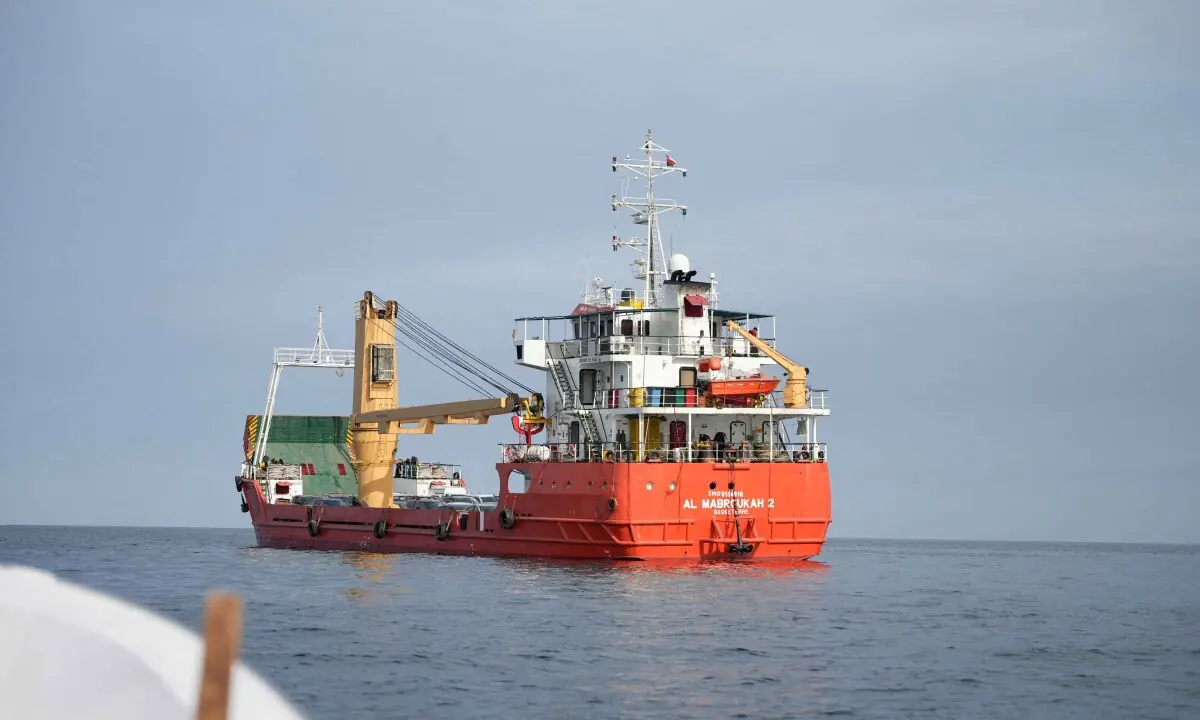
Reports of gunfire targeting ships near the Strait of Hormuz have intensified concerns over the safety of maritime traffic in the area.[1][4] Specifically, two ships were reportedly hit by gunfire as Iran enforced the closure, according to shipping sources who tracked the incidents.[1][4] Merchant vessels received direct radio communications from Iran's navy prohibiting passage, and these warnings were followed by reported attacks that damaged at least two vessels.[4]
One notable incident involved an Indian-flagged tanker that was shot at near the Strait of Hormuz, prompting swift diplomatic action from New Delhi.[5] These attacks align with broader reports of Iran's army targeting vessels attempting to traverse the strait amid the reclosure.[3] The gunfire incidents occurred against the backdrop of the brief reopening, where some tankers passed through successfully, but others faced immediate hostility upon trying to follow.[1]
The pattern of these attacks—warnings followed by kinetic action—suggests a deliberate strategy to deter passage, with shipping sources providing firsthand accounts of the gunfire impacts.[4] For operators, this translates to heightened vigilance, as the combination of naval communications and live fire creates an environment where even attempted transits carry substantial risk.[1][4] The involvement of gunfire elevates the situation beyond mere blockades, introducing direct threats to hulls and personnel on board.[4]
Incident Involving UN Peacekeepers in Lebanon
In a related development tied to Iran-backed activities, a French soldier was killed and three others wounded during an attack on a UN mission in southern Lebanon.[2] The incident occurred while the peacekeepers were clearing a road, an operation conducted under the UNIFIL framework.[2] Both UNIFIL officials and French authorities attributed the attack to Iran-backed Hezbollah, describing it as a likely perpetrator based on the circumstances.[2]
French President Emmanuel Macron responded forcefully, condemning the "unacceptable attack" in direct communications with Lebanese President Joseph Aoun and Prime Minister Nawaf Salam.[2] His office issued a statement highlighting the severity of the assault on multinational forces working to maintain stability in the region.[2] This event unfolds amid persistent tensions in southern Lebanon, where UN missions face ongoing challenges from armed groups.[2]
The loss of life among French troops underscores the human cost of these operations, with the wounded soldiers requiring medical attention following the roadside assault.[2] Coverage from the ground, including updates from correspondents in Beirut, emphasizes the immediate fallout and the diplomatic exchanges that followed.[2] This attack serves as a stark reminder of the interconnected threats posed by Iran-supported militias beyond the maritime domain.[2]
International Reactions and Responses
Nations directly affected by these events have issued strong diplomatic rebukes and summons.[1][2][5] India's Ministry of External Affairs (MEA) summoned the Iranian envoy in response to the shooting of an Indian-flagged tanker near the Strait of Hormuz, signaling New Delhi's firm stance on protecting its vessels.[5] This action reflects the broader concerns of commercial operators reliant on safe passage through vital sea lanes.[5]
France's reaction to the Lebanon incident was equally decisive, with President Macron's condemnations delivered through high-level calls to Lebanese leadership.[2] These communications underscore France's commitment to its personnel in UNIFIL and the unacceptability of attacks on peacekeepers.[2] Meanwhile, the reimposition of control over the strait has fueled skepticism regarding optimistic assessments from US leadership, such as former President Donald Trump's claim that a peace deal was "very close."[1]
Shipping sources and international monitors have amplified these responses by documenting the gunfire and warnings, pressuring involved parties to address the disruptions.[4] The collective outcry highlights the global stakes, as closures and attacks ripple through energy markets and trade networks.[1][5]
Context of Ongoing Tensions
The reclosure of the Strait of Hormuz occurs against a backdrop of protracted conflicts involving the US and Israel.[1][3] Iran's reversal of its pledge to allow commercial traffic came as a protest to ongoing issues, including a US naval blockade that prompted the shutdown.[3][1] This move directly challenges previous ceasefire arrangements and casts doubt on prospects for de-escalation.[1]
US President Donald Trump's optimism about an imminent peace deal ending the US-Israeli war with Iran now appears overly sanguine in light of these developments.[1] Iran's actions, including army attacks on vessels, are framed as responses to these external pressures, maintaining a cycle of restrictions and confrontations.[3] The brief reopening and subsequent closure illustrate the fragility of any temporary lulls in hostilities.[1]
These tensions extend the scope of regional instability, linking maritime enforcement with proxy activities elsewhere.[1][3]
What to watch next: Further developments in vessel transits through the Strait of Hormuz, potential escalations in diplomatic summons like India's, and updates on UNIFIL operations in Lebanon amid ongoing risks from Iran-backed groups.[1][2][4][5]