Conflict in Lebanon: Over 2,000 Killed Amid Ongoing Hostilities
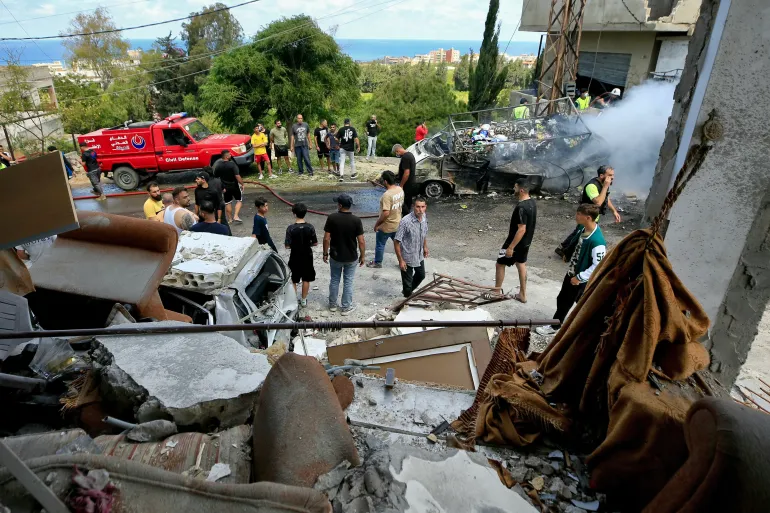
The conflict in Lebanon has led to a rapidly deteriorating humanitarian situation, marked by ongoing hostilities that have resulted in 2,124 people killed and 6,921 injured since 2 March.[1] This escalation has compounded widespread displacement and strained resources across the country, as reported in recent assessments from international organizations.
Overview of the Humanitarian Crisis
The humanitarian crisis in Lebanon has reached critical levels due to persistent hostilities, with official figures indicating severe casualties and extensive displacement. According to the United Nations Population Fund (UNFPA) Situation Report covering 2 to 16 April 2026, the situation continues to worsen amid these ongoing conflicts.[1] The report details that since 2 March, exactly 2,124 individuals have been reported killed, while 6,921 others have sustained injuries.[1] These numbers underscore the intensity of the violence, which has not only claimed lives but also disrupted normalcy for countless families.
Displacement has become a defining feature of this crisis, with large segments of the population forced from their homes.[1] The UNFPA document highlights how hostilities have triggered widespread movement, leaving many in precarious conditions without adequate shelter, food, or medical care. Vulnerable groups, in particular, face heightened risks as the conflict disrupts essential services. The mention of the UN Secretary-General on 16 April in the report suggests high-level international attention to the unfolding events, though specific statements from that date emphasize the urgency of the response.[1]
This overview paints a picture of a nation grappling with compounded challenges. The casualty statistics alone—2,124 deaths and over 6,900 injuries—represent a human tragedy that demands immediate action.[1] As hostilities persist, the potential for further displacement grows, straining Lebanon's already fragile social fabric. International aid agencies like UNFPA are documenting these trends to guide relief efforts, but the scale of the crisis requires coordinated global intervention to mitigate long-term suffering. The report's focus on the period from early April illustrates how recent weeks have seen no respite, with each day adding to the toll.[1] Analysts reviewing such data note that without de-escalation, the humanitarian footprint could expand dramatically, affecting reconstruction and recovery for years.
Impact on Infrastructure and Access
Critical infrastructure in Lebanon has suffered extensive destruction amid the hostilities, severely isolating vulnerable populations and hindering humanitarian access.[1] The UNFPA Situation Report explicitly states that the demolition of key transport routes and essential facilities has created barriers for aid delivery.[1] This damage has particularly affected groups such as pregnant women, who rely on timely medical interventions that are now compromised by blocked pathways and ruined structures.[1]
The implications of this infrastructure collapse are profound. Transport routes, vital for moving people and supplies, have been rendered impassable in multiple areas, leading to isolated communities cut off from external support.[1] Humanitarian organizations report that these disruptions have impeded their ability to reach those in need, exacerbating shortages of food, water, and healthcare.[1] For instance, pregnant women in remote or affected zones face elevated risks during childbirth due to the lack of accessible maternity services, a concern highlighted in the UNFPA assessment.[1]
Furthermore, the destruction extends beyond immediate access issues to long-term recovery challenges. Rebuilding roads, bridges, and facilities will require substantial resources, delaying normalization for displaced families.[1] The report from 2 to 16 April 2026 captures this dynamic, showing how ongoing hostilities compound the damage daily.[1] Aid workers must navigate these obstacles, often resorting to alternative, riskier paths that slow response times. This situation not only prolongs suffering but also increases vulnerability to secondary crises like disease outbreaks in overcrowded displacement sites. The UNFPA's emphasis on these effects serves as a call for prioritized infrastructure repair alongside ceasefire enforcement to restore access.[1]
{IMAGE_2}
Security and Military Developments
Recent security assessments in Lebanon point to evolving dynamics on the ground, particularly along the southern border.[3] The Weekly Security Report: Lebanon Operational Assessment for 13 to 19 April 2026 provides insights into the operational environment, noting shifts since the ceasefire took effect.[3] Complementing this, military sources have reported that Israeli forces have expanded their control over south Lebanon border villages following the truce's implementation at the end of last week.[5]
This expansion of control marks a significant military development, altering the security landscape in border areas.[5] According to The New Arab, these movements have been confirmed by military sources, indicating a consolidation of positions in villages near the frontier.[5] The ceasefire, intended to pause hostilities, has coincided with these advances, raising questions about the agreement's enforcement.[3][5] Security reports from the period highlight ongoing assessments of these changes, which could influence future stability.[3]
The implications for local security are substantial. Expanded control in border villages may limit movement and access for residents, contributing to the broader isolation noted in humanitarian updates.[5] The SARI Global security report underscores the need for vigilant monitoring during this phase, as operational assessments reveal potential flashpoints.[3] With the truce in place but under strain, these developments suggest a tense standoff, where military positioning could either deter or provoke renewed engagements.[3][5] International observers tracking these events emphasize the importance of compliance to prevent escalation, drawing from the patterns observed in early to mid-April 2026.[3]
Local Perspectives on the Truce
Residents in the city of Tyre, southern Lebanon's largest urban center, harbor deep suspicions toward the current truce.[4] Local voices express fears of an imminent return to war between Israeli forces and Hezbollah, especially as the ceasefire is set to expire on Sunday.[4] El País reports capture this sentiment, quoting residents who believe "Israel’s sole objective is to fill our hearts with terror."[4]
This perspective reflects widespread anxiety among the population, who view the truce as fragile and potentially deceptive.[4] In Tyre, daily life remains overshadowed by the threat of renewed conflict, with communities bracing for possible violations.[4] The impending expiration of the ceasefire amplifies these concerns, as locals anticipate a breakdown that could reignite hostilities.[4]
These local views provide critical insight into the human element of the crisis. Residents' distrust stems from recent experiences of violence and the lack of tangible security gains.[4] The quote from Tyre inhabitants underscores a psychological toll, where terror becomes a tool in the conflict.[4] As the truce nears its end, these perspectives highlight the urgency for diplomatic efforts to extend or solidify the pause, preventing the fears from materializing into further casualties.
{IMAGE_3}
International Responses to Incidents
The United Nations has issued a strong condemnation regarding the destruction of a Jesus statue by an Israeli soldier in Lebanon, describing it as a shocking act.[2] A UN spokesperson stated that "the desecration of religious symbols, the desecration of houses of worship is unacceptable, regardless of the religion."[2] Anadolu Agency reported this response, emphasizing the international body's stance against such incidents.[2]
This statement reflects broader international concern over specific violations amid the conflict.[2] The destruction of the statue has been labeled as unacceptable desecration, drawing attention to the protection of religious sites during hostilities.[2] The UN's position underscores a commitment to safeguarding cultural and religious heritage, irrespective of faith.[2]
Such responses serve to highlight accountability in conflict zones. By publicly addressing the incident, the UN aims to deter similar acts and promote respect for sacred symbols.[2] This comes at a time when multiple fronts of the crisis demand global scrutiny, positioning the statue's destruction as a symbolic flashpoint.[2]
Key Facts and Figures
Several key facts encapsulate the current state of the Lebanon conflict. Destruction of critical infrastructure and transport routes has isolated vulnerable populations, including pregnant women, and impeded humanitarian access.[1] The UN's condemnation of the Jesus statue destruction by an Israeli soldier stands as unacceptable desecration of religious symbols.[2] Residents in Tyre remain suspicious of the truce, fearing an imminent return to war between Israeli forces and Hezbollah.[4] Israeli forces have expanded their control of south Lebanon border villages since the ceasefire took effect.[5]
These facts, drawn from recent reports, provide a snapshot of the multifaceted crisis.[1][2][4][5] Casualties since 2 March total 2,124 killed and 6,921 injured, per UNFPA data.[1] Infrastructure damage continues to block aid, while military expansions alter border dynamics.[1][5] Local distrust and international rebukes add layers to the narrative.[2][4] Together, they illustrate the interconnected challenges facing Lebanon.
What to watch next
As the ceasefire in Lebanon approaches expiration on Sunday, residents' fears of renewed Israeli-Hezbollah clashes could materialize if violations occur.[4] Continued Israeli expansion in border villages and ongoing infrastructure barriers will likely hinder humanitarian access, while international monitoring of incidents like religious desecrations remains essential.[1][2][3][5]