
Strike Iran: Firing on Indian Tankers in Strait of Hormuz
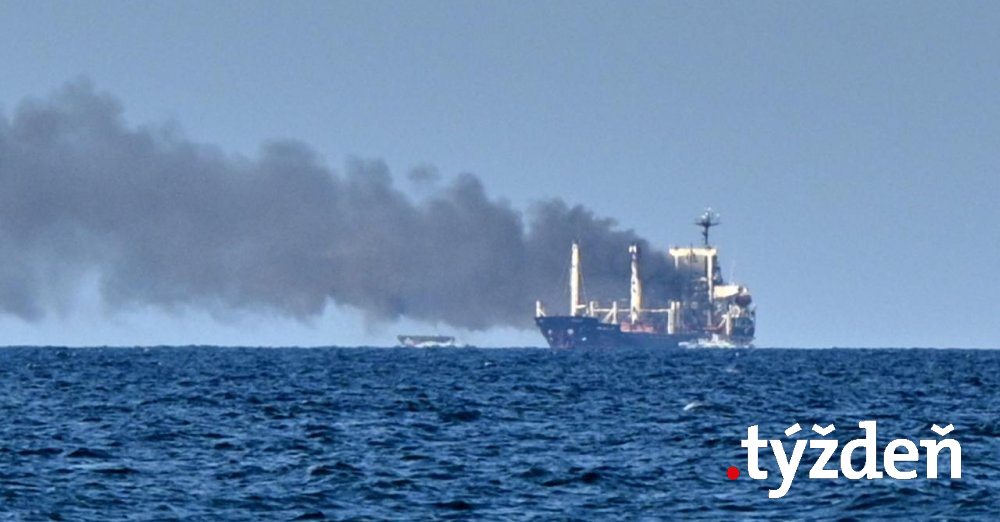
Iran has fired on Indian-flagged oil tankers in the Strait of Hormuz and launched drones at U.S. warships following the seizure of an Iranian vessel, marking a significant escalation in regional tensions.[1][3] This strike Iran incident has drawn international attention to the volatile maritime environment, with distress calls reporting vessels under fire and broader disruptions to shipping lanes.[2]
Overview of Recent Strikes
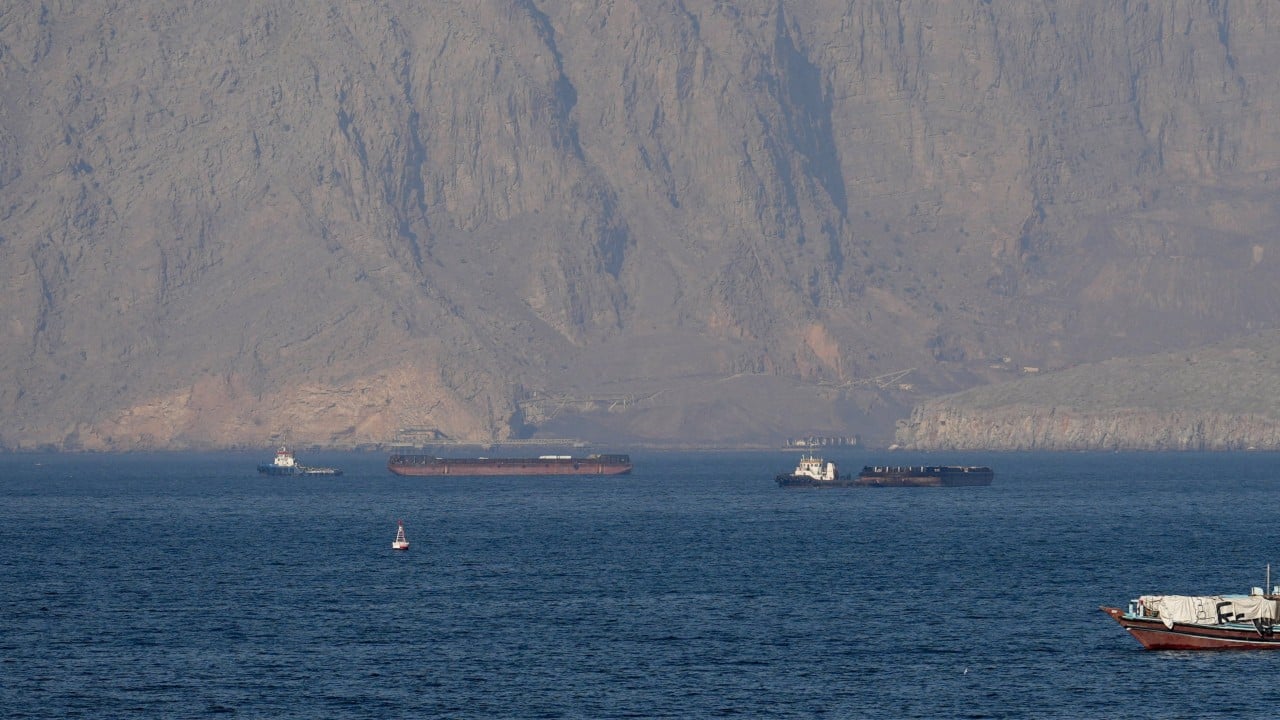
The recent military actions by Iran, including the firing on Indian-flagged oil tankers in the Strait of Hormuz, represent a direct challenge to maritime stability in one of the world's most critical chokepoints for global oil trade.[1] On Saturday, Iranian forces targeted two such tankers, identified in reports as including the Jag Arnav, prompting immediate concerns over the safety of even non-adversarial shipping.[1] This strike Iran event occurred amid heightened hostilities, underscoring the precarious security situation in the strait, through which a significant portion of the world's oil supplies pass.
Compounding these developments, Iran launched drones toward U.S. warships positioned in the Gulf of Oman shortly after American forces seized an Iranian vessel.[3] According to reports from Al Jazeera cited in coverage, the drone launches followed what was described as an American attack on an Iranian commercial vessel, though there were no immediate reports of impacts or damage to the targeted U.S. assets.[3] These strikes highlight Iran's willingness to extend its military responses beyond immediate territorial waters, targeting naval assets in adjacent areas. The sequence of events—firing on tankers followed by drone launches—illustrates a pattern of rapid escalation, with Iran's actions appearing coordinated to assert dominance in contested waterways.[1][3]
Analysts have noted the unusual nature of the tanker attacks, given India's historically neutral stance toward Iran, including recent renewals of oil purchases under a temporary U.S. sanctions waiver.[1] This has amplified questions about Iran's capacity to safeguard allied or friendly commercial traffic during periods of conflict, potentially deterring future economic engagements in the region.[1] The strikes, captured in part through distress signals from the vessels, paint a picture of chaotic enforcement in the strait, where military actions intersect with vital commercial routes.[2]
Context of the Escalation
The backdrop to these strikes traces directly to the U.S. seizure of an Iranian vessel, which served as a catalyst for Iran's retaliatory measures.[3][4] American forces intercepted and seized an Iranian cargo ship that was attempting to breach a U.S. naval blockade, with the U.S. military confirming it had fired on the vessel as it approached Iranian waters.[4] This incident, occurring just prior to the drone launches toward U.S. warships, unfolded against stalled diplomatic efforts and an impending ceasefire deadline.[3]
Reports indicate that the vessel seizure prompted Iran to launch drones specifically in the Gulf of Oman, a strategic waterway linking the Strait of Hormuz to the Arabian Sea.[3] The timing of these actions aligns with broader tensions, as peace talks faltered ahead of the ceasefire's expiration on Tuesday.[4] Iran's response was not isolated; it followed a pattern of tit-for-tat military engagements, where the U.S. blockade enforcement directly provoked the drone salvo.[3][4]
This escalation builds on ongoing frictions, with the U.S. actions framed by Iran as aggressive violations of sovereignty.[4] The seizure cast immediate doubt over the viability of the ceasefire, which was set to lapse imminently, pushing the conflict toward a more confrontational phase.[3][4] In this context, the strikes on Indian tankers and U.S. warships appear as extensions of Iran's strategy to counter perceived encroachments, leveraging asymmetric tactics like drones and coastal firing to project power without full-scale confrontation.[3]
Impact on Maritime Security
The firing on Indian-flagged oil tankers has profoundly unsettled maritime security in the Strait of Hormuz, raising fundamental doubts about Iran's ability to protect even friendly shipping amid conflict.[1] With India maintaining non-adversarial ties to Tehran—including recent oil purchases facilitated by a U.S. sanctions waiver—the attacks on vessels like the Jag Arnav have created an awkward diplomatic and security dilemma for all parties involved.[1] This incident signals a breakdown in assurances for neutral commercial traffic, potentially leading shippers to reroute or insure at higher premiums.
Distress calls from tankers under fire further evidenced the acute risks, coinciding with reports that Iran had effectively shut the Strait of Hormuz.[2] These communications captured the real-time peril faced by crews, amplifying fears of widespread disruptions to global energy supplies. The strait, handling roughly 20% of the world's seaborne oil, becomes a flashpoint where such closures could spike prices and strain economies dependent on steady flows.[2]
The combined effect of tanker strikes and the reported shutdown underscores a shift toward maritime chaos, where military actions override commercial priorities.[1][2] Friendly nations like India now face heightened vulnerabilities, as Tehran's enforcement measures inadvertently—or perhaps indiscriminately—endanger partners.[1] This has prompted analysts to question the reliability of safe passage guarantees, with implications for insurance rates, shipping schedules, and international trade volumes through the region.[1][2]
Iran's Response and Statements
Following the U.S. seizure of its cargo ship, Iran issued strong vows of retaliation and outright rejected further peace talks, signaling a hardening of its position.[4] On Monday, official statements emphasized reprisals against what Tehran described as provocative U.S. actions, including the firing on the Iranian-flagged vessel amid its attempt to navigate the naval blockade.[4] This rhetoric directly preceded the drone launches and tanker incidents, framing them as justified countermeasures.[4]
Iran's rejection of negotiations came as the ceasefire deadline loomed on Tuesday, casting substantial uncertainty over de-escalation prospects.[4] By vowing retaliation, Tehran positioned itself against concessions, viewing the ship seizure as a breach warranting escalated responses.[4] These statements, coupled with the military actions, illustrate a deliberate strategy to deter further U.S. interceptions while maintaining pressure on the diplomatic front.[4]
Broader Regional Effects
Iran's strikes have rippled into neighboring areas, notably impacting the United Arab Emirates (UAE), where attacks led to a mass exodus of tourists.[5] While the strikes interrupted activities such as padel games in the UAE, residents including Finnish expatriates expressed confidence in their safety and the country's rapid recovery.[5] This resilience amid disruptions highlights a localized adaptation to the spillover effects of Iran's military actions, with tourists fleeing but long-term inhabitants remaining optimistic about stability.[5]
The regional fallout extends the conflict's shadow beyond direct combatants, affecting tourism-dependent economies and daily life in the Gulf.[5] Despite the interruptions from missile strikes—referred to as "ohjusiskut" in reports—belief in a swift rebound persists among communities in the Emirates.[5]
What to watch next: As the ceasefire deadline expires on Tuesday, Iran's vowed retaliation and rejection of peace talks could lead to further drone launches or strait disruptions, while U.S. responses to vessel seizures remain a key flashpoint.[3][4]