
Strike in Ukraine: Ukrainian Forces Hit Russian Ammunition Sites
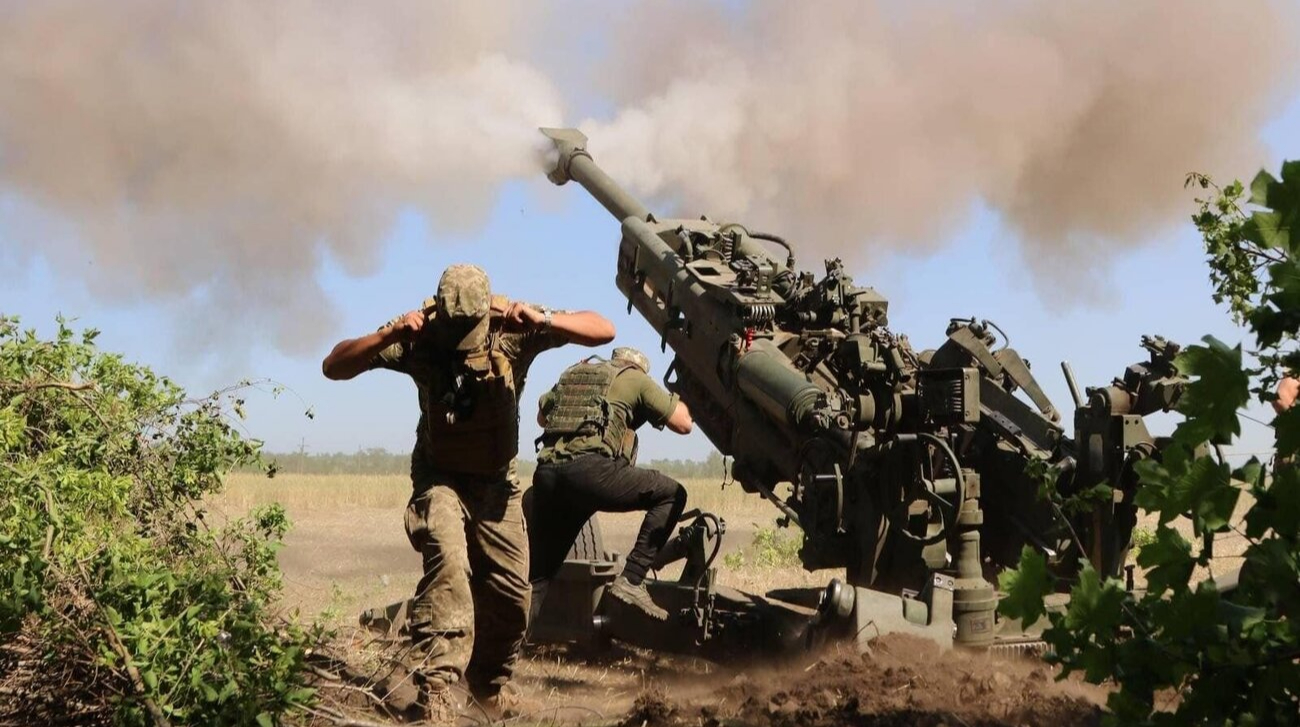
Ukrainian forces have struck Russian ammunition and logistics storage points in occupied territories and Russia, as reported in recent military actions, marking a notable escalation in the strike Ukraine conflict along multiple fronts.[1]
Overview of Recent Strikes
The recent military engagements in the strike Ukraine theater have seen Ukrainian forces conducting targeted operations against key Russian infrastructure, focusing on ammunition depots, logistics hubs, and related facilities. These actions took place specifically on April 20 and during the night of April 20-21, spanning both temporarily occupied Ukrainian territories and regions within Russia itself.[1] Among the strikes, Ukrainian-operated drones inflicted significant damage on a critical oil storage facility, highlighting the precision and reach of these operations.[2]
This overview captures the breadth of Ukrainian offensive capabilities, which disrupted Russian supply lines essential for sustaining military operations. The selection of targets—ammunition and logistics storage points—underscores a strategic emphasis on undermining Russian logistical sustainment in the ongoing conflict.[1] Concurrently, Russian forces responded with their own large-scale aerial assaults, prompting robust Ukrainian defensive measures.[3] The intensification of such exchanges has broader implications, as noted in international assessments of the humanitarian landscape.[4]
Drawing from operational reports, these strikes involved multiple sites across several oblasts, demonstrating coordinated efforts by Ukrainian defense forces. The damage to oil infrastructure, in particular, involved the compromise of storage tanks at a station linked to the Druzhba pipeline, which handles export-grade oil, thereby affecting a vital component of Russian energy logistics.[2] This pattern of strikes reflects a sustained campaign aimed at high-value targets that support Russian military positioning in the region.[1]
Ukrainian Offensive Operations
Ukrainian offensive operations have centered on precision strikes against Russian ammunition and logistics storage points, with operations confirmed in the temporarily occupied territories of Donetsk, Luhansk, Kherson, and Zaporizhzhia oblasts, as well as Russia's Rostov and Bryansk oblasts.[1] A total of three such storage points were hit during these actions on April 20 and the night of April 20-21, directly targeting facilities critical to Russian military sustainment.[1]
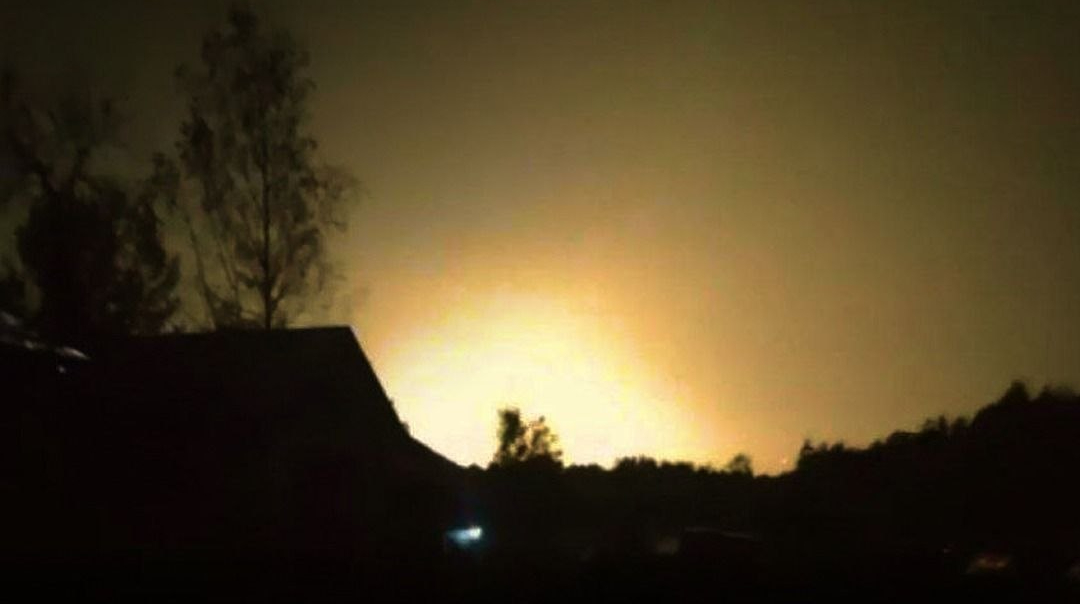
In a notable instance, drones operated by the Security Service of Ukraine (SBU) struck the Samara station associated with the Druzhba pipeline. This attack damaged five oil storage tanks and ignited a fire, disrupting operations at a site that produces export-grade oil.[2] The choice of this target illustrates the strategic value placed on energy and logistics infrastructure, which bolsters Russian export capabilities and military mobility. The resulting fire at the station further compounded the impact, potentially hampering immediate recovery efforts and signaling vulnerabilities in Russian rear-area defenses.[2]
These operations represent a multifaceted approach by Ukrainian forces, combining drone technology with intelligence-driven targeting to reach deep into occupied and Russian-held areas. The strikes on ammunition storage points are particularly significant, as they aim to degrade stockpiles necessary for frontline operations in Donetsk, Luhansk, and other contested regions.[1] Logistics hubs, similarly vital for the movement of supplies, were also compromised, creating ripple effects on Russian force projection.[1] The involvement of the SBU in the drone strikes on the oil facility adds a layer of specialized operational capacity, emphasizing inter-agency coordination in Ukraine's defense strategy.[2]
The temporal clustering of these strikes—spanning a single day and the subsequent night—suggests heightened operational tempo, possibly in response to Russian movements or as preemptive measures. Each target selection aligns with broader objectives of disrupting supply chains that have sustained Russian positions since the onset of intensified fighting in these areas.[1][2]
{IMAGE_2}
Russian Attacks and Ukrainian Defenses
Russian forces initiated a substantial aerial offensive, launching 143 drones alongside Iskander-M missiles in what has been described as a large-scale overnight assault.[3] This barrage represented a significant escalation in the volume of incoming threats, testing the resilience of Ukrainian air defenses across multiple sectors.
Ukraine's air defense systems responded effectively, intercepting 116 out of the 143 drones and downing one Iskander-M missile.[3] These interceptions highlight the proficiency and coverage of Ukrainian defensive networks, which managed to neutralize the majority of the drone swarm despite the assault's scale. The remaining threats, while not fully detailed in reports, underscore the challenges posed by such massed attacks, yet the high interception rate demonstrates sustained improvements in radar detection, electronic warfare, and missile interception capabilities.[3]
The use of Iskander-M ballistic missiles alongside Shahed-type drones points to a combined-arms approach in Russian strike tactics, aiming to overwhelm defenses through quantity and speed.[3] Ukraine's success in downing over 80% of the drones illustrates adaptive countermeasures, including layered air defense systems that prioritize high-threat vectors. This engagement occurred amid the broader context of reciprocal strikes, where Ukrainian offensives preceded or paralleled Russian responses, creating a dynamic of mutual escalation.[3]
Impact on Humanitarian Situation
The intensification of attacks across Ukraine has placed civilians at the forefront of the humanitarian crisis, as articulated in a recent United Nations statement to the Security Council.[4] Since the previous briefing one month prior, missile, drone, and artillery strikes have escalated, with civilians continuing to bear the brunt of these operations.[4]
This uptick in hostilities has exacerbated vulnerabilities for non-combatants, particularly in frontline areas where storage points and logistics hubs are located.[4] The UN's assessment, delivered by Joyce Msuya, Assistant Secretary-General for Humanitarian Affairs and Deputy Emergency Relief Coordinator, on behalf of Tom Fletcher, Under-Secretary-General for Humanitarian Affairs and Emergency Relief Coordinator, emphasizes the direct linkage between military actions and civilian suffering.[4] Ongoing strikes disrupt access to essential services, shelter, and safe passage, compounding the challenges in regions like Donetsk, Luhansk, Kherson, and Zaporizhzhia.[1][4]
The pattern of intensified attacks aligns with reports of strikes on infrastructure that, while military in nature, often proximity-impacts populated areas.[4] Humanitarian realities include heightened risks from aerial barrages, as seen in the recent Russian drone and missile launches, which necessitate constant civilian vigilance and evacuation protocols.[3][4] International calls for protection underscore the urgency, building on prior Security Council discussions of political and security developments.[4]
{IMAGE_3}
Summary of Current Developments
The current phase of the strike Ukraine conflict encapsulates a cycle of Ukrainian precision strikes on Russian ammunition, logistics, and oil infrastructure met with robust Russian aerial counter-assaults, all against a backdrop of deteriorating humanitarian conditions.[1][2][3][4] Ukrainian forces successfully targeted three ammunition and logistics storage points across Donetsk, Luhansk, Kherson, Zaporizhzhia, Rostov, and Bryansk oblasts on April 20 and the night of April 20-21, while SBU drones damaged five oil tanks at the Samara Druzhba pipeline station, sparking a fire.[1][2]
Russian responses involved 143 drones and Iskander-M missiles, of which Ukrainian air defenses neutralized 116 drones and one missile, affirming defensive efficacy.[3] Collectively, these actions signal an operational stalemate punctuated by tactical gains, with intensified exchanges drawing UN attention to civilian hardships from missile, drone, and artillery fire.[4]
This summary integrates the strategic disruptions to Russian logistics from Ukrainian strikes, the resilience shown in air defense interceptions, and the human cost amplified by escalating violence.[1][2][3][4] The focus on high-value targets like export-grade oil facilities and ammunition depots reflects calculated efforts to erode adversary sustainment, while defensive successes mitigate offensive threats.[2][3]
Targeted Regions and Strategic Implications
The strikes have prominently affected regions including Donetsk, Luhansk, Kherson, Zaporizhzhia in occupied territories, alongside Russia's Rostov and Bryansk oblasts, forming a geographic arc of disrupted Russian operations.[1] These areas, central to the conflict's eastern and southern fronts, host critical supply nodes that, when compromised, influence broader military dynamics.[1]
Strategic implications arise from the vulnerability exposed in rear areas, as evidenced by the reach into Bryansk and Rostov, challenging Russian depth defenses.[1] The oil sector hit at Samara further ties into economic logistics supporting military endeavors.[2]
What to watch next
Monitor for further Ukrainian strikes on Russian logistics in the specified oblasts and potential Russian escalations in drone and missile volumes, alongside UN updates on civilian impacts from intensified attacks.[1][2][3][4]