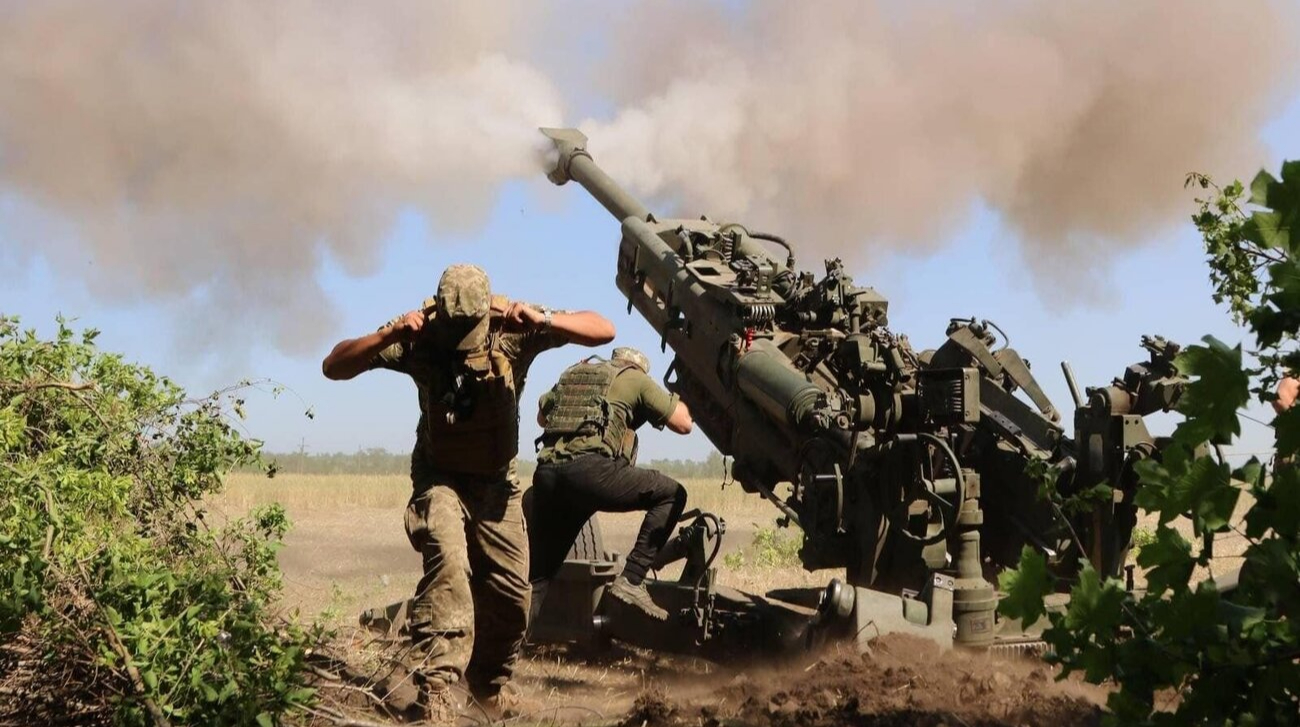
Strike in Ukraine: Russian Missiles Near Chernobyl Increase Accident Risk
In the latest strike Ukraine developments, Russia has repeatedly launched drones and missiles on a flight path near the disused Chernobyl nuclear plant during attacks on Ukraine, elevating the risk of a major accident, as stated by Ukraine's top state prosecutor.[1][4] This activity underscores ongoing tensions in the conflict, with Ukrainian officials highlighting previously unreported military actions near sensitive nuclear sites.[1][4]
Overview of Recent Strikes in Ukraine
Recent strikes in Ukraine have encompassed a range of targets, from critical infrastructure to strategic logistics points, as reported across multiple official channels. Russian drones targeted Ukraine's Odesa port, resulting in the death of a railway worker in the south, according to Ukraine's deputy prime minister.[3] This incident highlights the precision and impact of drone operations in populated and operational areas, contributing to casualties among civilian infrastructure workers. Simultaneously, Russia has been concentrating its firepower on Ukraine's logistics hubs, described as vital choke points that could potentially alter the dynamics of the broader conflict.[2]
Prosecutor General Ruslan Kravchenko, Ukraine's top state prosecutor, provided detailed accounts of Russian military activities near nuclear facilities, including the repeated use of flight paths over or adjacent to the Chernobyl site during drone and missile launches.[1][4] These revelations came in written remarks to Reuters, emphasizing the unreported nature of such operations prior to this disclosure.[1][4] In parallel, broader strategic concerns have emerged, with sanctions relief reportedly fueling Russia's war ambitions, as warned by Ukrainian leadership, prompting countermeasures from Kyiv.[5]
The concentration of strikes on logistics networks represents a tactical shift, with Russia focusing on "yết hầu hậu cần" – key logistical arteries – potentially creating new hotspots in the conflict.[2] This approach aims to disrupt supply lines, a critical element in sustaining military efforts on both sides. The Odesa port strike, in particular, illustrates how such attacks extend to maritime and rail infrastructure, essential for Ukraine's economic and military sustainment.[3] Deputy prime minister's confirmation of the railway worker's death adds a human dimension to these operations, occurring amid a pattern of intensified aerial assaults.[3]
These incidents collectively paint a picture of escalated aerial campaigns, where drones and missiles not only target operational hubs but also traverse sensitive airspace, raising alarms about unintended consequences.[1][3][4][5] The prosecutor's details on nuclear proximity further contextualize the strikes as multifaceted threats, blending direct hits with indirect risks.[1][4] As Ukraine faces these pressures, the focus on ports like Odesa and logistics chokepoints signals a deliberate strategy to hamper mobility and resupply efforts.[2][3]
Risks Associated with Strikes Near Nuclear Sites
The proximity of Russian missile and drone flight paths to the disused Chernobyl nuclear plant introduces significant dangers, as articulated by Ukrainian officials. Prosecutor General Ruslan Kravchenko explicitly warned that these repeated launches elevate the risk of a major accident at the site, which remains a symbol of nuclear catastrophe from 1986.[1][4] In his written remarks to Reuters, Kravchenko detailed previously unreported Russian military activity near Ukrainian nuclear sites, noting the flight paths' consistent passage near Chernobyl during attacks elsewhere in the country.[1][4]
This pattern of operations heightens vulnerabilities at a facility that, despite being disused for power generation, continues to require stringent safety measures for spent fuel storage and containment structures.[1][4] Any disruption – whether from direct impact, shockwaves, or electromagnetic interference – could compromise these safeguards, potentially releasing radioactive materials into the environment.[1][4] Ukraine's top prosecutor emphasized the repetitive nature of these flights, suggesting not isolated errors but a recurring tactical choice that disregards the site's fragility.[1][4]
The revelation of such activity comes as Ukraine prepares responses to ongoing threats, but the core concern remains the accident potential.[4] Kravchenko's statements underscore how missile trajectories, even if aimed at distant targets, traverse airspace laden with historical and technical hazards.[1] This not only endangers local populations and ecosystems but also carries transboundary implications, given Chernobyl's location near borders.[1][4] Official accounts stress that these are not hypothetical risks but grounded in observed flight patterns during actual strikes.[1][4]
{IMAGE_2}
Attacks on Key Infrastructure and Logistics
Russia's strikes have increasingly targeted key infrastructure and logistics hubs in Ukraine, with a notable focus on disrupting supply chains. In one specific incident, Russian drones struck Ukraine's Odesa port, leading to the death of a railway worker in the south, as confirmed by Ukraine's deputy prime minister.[3] This attack on a major Black Sea port vital for grain exports and imports exemplifies the strategic value of such sites, where disruptions can ripple through global food supplies and domestic logistics.[3]
Complementing this, Russia is concentrating fire on Ukraine's logistics hubs – described as critical "yết hầu" or choke points – creating potential turning points in the conflict's dynamics.[2] Published reports from April 22, 2024, highlight this escalation as a new hotspot, where sustained pressure on transportation networks could shift operational advantages.[2] Ports like Odesa serve as linchpins, linking rail, road, and sea routes, and their targeting amplifies effects on military resupply and civilian economies.[2][3]
The railway worker's death in the Odesa strike illustrates the collateral risks to essential personnel maintaining these networks.[3] Deputy prime minister's remarks confirm the drone's role, aligning with a broader pattern of aerial assaults on infrastructure that sustains Ukraine's war effort.[3] By focusing on these hubs, Russia aims to throttle movement of goods, ammunition, and personnel, potentially forcing tactical reallocations.[2]
Such attacks extend beyond immediate destruction, aiming to erode logistical resilience over time.[2][3] The emphasis on southern regions, including Odesa, underscores a geographic strategy to isolate key areas.[3] This sustained campaign on infrastructure represents a calculated escalation, with each strike compounding pressures on Ukraine's interconnected transport systems.[2][3]
Ukraine's Response to Ongoing Strikes
Amid escalating Russian strikes, Ukraine has intensified its countermeasures, particularly targeting oil infrastructure to counter emboldened ambitions. President Zelensky has warned that sanctions relief is fueling Russia's war efforts, providing the resources needed to sustain prolonged operations.[5] In response, Ukraine has stepped up its oil strikes, aiming to degrade Russia's fuel supply chains that support aerial and ground campaigns.[5]
This strategic pivot reflects Kyiv's adaptation to Moscow's focus on Ukrainian logistics and infrastructure.[5] Zelensky's statements highlight how eased sanctions enable Russia to maintain drone and missile production, necessitating asymmetric responses like precision strikes on refineries and storage facilities.[5] These actions are framed as direct rebuttals to the intensified attacks on ports and hubs, seeking to impose equivalent economic and operational costs.[5]
The uptick in oil strikes coincides with warnings about nuclear risks and logistics pressures, positioning Ukraine's campaign as multifaceted.[5] By hitting energy assets, Kyiv aims to limit Russia's capacity for sustained barrages, including those near sensitive sites.[5] Official reports from the Kyiv Independent detail this escalation, tying it explicitly to sanctions dynamics that bolster Moscow's resolve.[5]
Potential Implications of the Strikes
The ongoing strikes carry broader implications for the conflict's trajectory, particularly through their focus on logistics and enabling factors like sanctions. Russia's concentration on Ukraine's logistics hubs could shift the dynamics, creating decisive hotspots that alter frontline balances and resupply capabilities.[2] This tactical emphasis risks prolonging stalemates or forcing Ukrainian adaptations, with potential ripple effects on territorial control.[2]
Coupled with sanctions relief, these operations signal sustained Russian ambitions, as Zelensky has cautioned, allowing investment in advanced weaponry despite international pressures.[5] Ukraine's resultant oil strikes represent a counter-strategy to mitigate this, potentially straining Russia's war economy and aerial dominance.[5] Together, these elements suggest a conflict evolving toward attrition in critical sectors.[2][5]
Disruptions at ports like Odesa and near nuclear sites amplify uncertainties, where logistical chokepoints intersect with high-stakes risks.[2][5] The potential for dynamics-shifting outcomes underscores the strikes' role in reshaping strategic calculations.[2]
Key Statements from Ukrainian Officials
Ukrainian officials have issued pointed statements on the strikes, providing authoritative insights into incidents and risks. Prosecutor General Ruslan Kravchenko detailed Russian drones and missiles flying near Chernobyl, elevating major accident risks, in remarks to Reuters.[1][4] He highlighted unreported activity near nuclear sites, framing it as a reckless pattern during attacks.[1][4]
Ukraine's deputy prime minister confirmed Russian drones striking Odesa port, killing a railway worker, emphasizing impacts on southern infrastructure.[3] President Zelensky warned that sanctions relief fuels Russia's ambitions, justifying Ukraine's escalated oil strikes.[5] These voices collectively underscore a narrative of heightened threats and responsive measures.[1][3][4][5]
Such declarations not only document events but also rally international attention to logistical targeting and nuclear perils.[1][3][4][5] Kravchenko's specifics on Chernobyl flights, the deputy PM's casualty report, and Zelensky's sanctions critique form a cohesive official perspective.[1][3][4][5]
{IMAGE_3}
What to watch next: Monitor developments near Chernobyl for any escalation in flight paths that could precipitate accidents,[1][4] alongside Ukraine's continued oil strikes amid sanctions concerns[5] and Russia's logistics focus that may redefine conflict hotspots.[2]