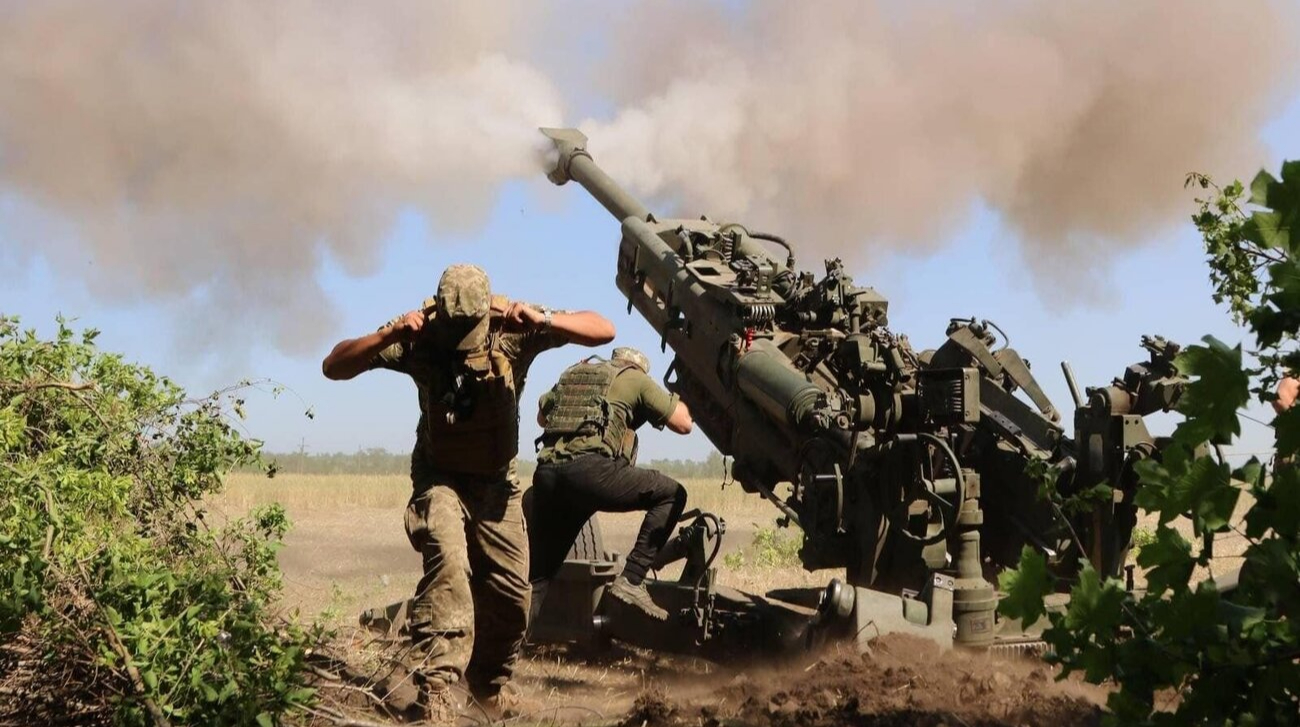

Strike in Ukraine: Russian Drones Target Odesa Port, Resulting in Worker Death
In the latest strike in Ukraine, Russian drones have struck the Odesa port, resulting in the death of a railway worker, as reported by Ukraine's deputy prime minister.[4][5] This incident underscores the persistent aerial assaults in the region, amid broader exchanges of strikes between the two sides.
Overview of Recent Strikes in Ukraine
Recent military actions in Ukraine have involved significant Russian drone and missile operations targeting various locations. Russian drones struck Ukraine's Odesa port in the south, leading to the reported death of a railway worker, according to statements from Ukraine's deputy prime minister.[4][5] These strikes highlight the ongoing pattern of drone attacks in southern Ukraine, as emphasized by the same official.[5]
Parallel to these developments, Russia has launched drones and missiles along flight paths near the Chornobyl nuclear plant, actions that have been documented during broader attacks on Ukraine.[2] Ukraine's Prosecutor General, Ruslan Kravchenko, informed Reuters of these repeated launches, noting their proximity to the disused nuclear site.[2] This overview captures the primary incidents of Russian aerial activities, combining port infrastructure strikes with incursions near sensitive nuclear areas.
The Odesa port strike represents a direct hit on key maritime facilities, with the deputy prime minister confirming the drone involvement and the fatality of a railway worker involved in operations there.[4] Such attacks align with reports of intensified Russian efforts, though specifics on the Odesa incident focus on the immediate southern impact.[5] Meanwhile, the missile trajectories near Chornobyl add a layer of concern over flight paths utilized in these operations.[2] Ukrainian authorities have publicly addressed these events, providing confirmation through official channels.
These strikes illustrate a multifaceted Russian approach, incorporating both drones for precision targeting like at Odesa and missiles that traverse hazardous routes.[2][4] The deputy prime minister's remarks on the Odesa event stress its place within continuous drone operations in the south, suggesting a sustained campaign.[5] Prosecutorial statements on Chornobyl flights further detail the risks embedded in these paths.[2] Collectively, these reports from Ukrainian officials paint a picture of active and varied strike activities across Ukraine's territory.
Ukrainian Counter-Strikes on Russian Targets
Ukrainian forces have conducted a confirmed drone attack on a Russian oil refinery located in Tuapse, in Russia's Krasnodar Krai region.[1] The General Staff of the Armed Forces of Ukraine verified this strike, marking it as a notable counter-operation against Russian energy infrastructure.[1] In the aftermath, employees of the local prosecutor's office in Tuapse planted trees ahead of Victory Day, a Russian holiday commemorating the Soviet victory over Nazi Germany in 1945, celebrated on May 9.[1]
This Ukrainian strike on the Tuapse oil refinery stands as a direct response within the ongoing conflict dynamics, with official Ukrainian military confirmation underscoring its execution.[1] The tree-planting initiative by Russian prosecutors serves as a local reaction, timed symbolically before Victory Day, and was documented with photos.[1] Such actions highlight the immediate post-strike activities in the affected Russian city.
The confirmation from Ukraine's General Staff lends credibility to the operation's impact on the refinery, positioning it as a strategic Ukrainian counter-measure.[1] The prosecutorial response in Tuapse, involving tree planting, reflects an effort to project normalcy or resilience ahead of the national holiday.[1] This incident provides context for Ukrainian capabilities in reaching deep into Russian territory, specifically targeting industrial sites like oil refineries.
Details from the scene in Tuapse emphasize the local prosecutor's involvement, with the activity directly following the confirmed drone attack.[1] Victory Day's historical significance, as noted in editorial clarification, frames the timing of these plantings, potentially as a gesture of defiance or recovery.[1] Ukrainian military verification ensures the strike's place in the sequence of reciprocal actions.
{IMAGE_2}
Risks to Critical Infrastructure
Russian launches of drones and missiles have repeatedly occurred on flight paths near the disused Chornobyl nuclear plant during attacks on Ukraine, heightening the risk of a major accident.[2] Ukraine's top state prosecutor, Ruslan Kravchenko, detailed this to Reuters, emphasizing the elevated dangers posed by these trajectories.[2]
The proximity of these flight paths to Chornobyl introduces substantial hazards to critical nuclear infrastructure.[2] Prosecutor General Kravchenko's account specifies the repeated nature of the launches, linking them directly to broader Russian strike campaigns against Ukraine.[2] This pattern amplifies concerns over potential catastrophic outcomes at the site.
Statements from Ukraine's Prosecutor General highlight the ongoing threat, with missiles and drones traversing routes that skirt the nuclear plant.[2] The risk assessment stems from the frequency of these overflights, positioning Chornobyl as a vulnerable point amid wider operations.[2] Reuters reporting captures the prosecutor's warnings about a possible major accident.
These developments necessitate close monitoring of aerial activities near nuclear facilities, as articulated by official Ukrainian sources.[2] The repeated incursions underscore vulnerabilities in airspace management during conflict, with Chornobyl's status as a disused but hazardous site central to the narrative.[2]
Escalation in Targeting Logistics
Russia is concentrating its military efforts, or firepower, on Ukraine's key logistics hubs, described as "yết hầu hậu cần" or choke points in supply lines.[3] This focus represents a new hotspot that could potentially shift the dynamics of the conflict.[3] The report, published on April 22, 2024, examines this strategic emphasis.[3]
Intensified strikes on these logistics centers aim to disrupt Ukraine's supply chains, with Russia directing substantial resources toward them.[3] The potential for this approach to alter the overall conflict situation is noted, positioning logistics as a pivotal battleground.[3]
By honing in on these critical nodes, Russian operations seek to influence operational capabilities on the Ukrainian side.[3] The identification of logistics hubs as a new point of concentration suggests an evolution in targeting priorities.[3] Implications include possible changes in the balance of forces, as these hubs underpin sustainment efforts.[3]
This escalation in logistics targeting carries weight for the conflict's progression, with the report forecasting its role as a turning point.[3] Ukrainian responses to such pressures remain a factor, though the concentration of fire is clearly delineated.[3]
{IMAGE_3}
Casualties and Immediate Effects
The Russian drone strike on Ukraine's Odesa port resulted in the death of a railway worker in the south, as stated by Ukraine's deputy prime minister.[4][5] This direct outcome underscores the human cost of the assault on port infrastructure.[4]
Immediate effects include the confirmed fatality, with the deputy prime minister providing details on the incident's location and nature.[5] The railway worker's death occurred amid the drone attack, highlighting vulnerabilities in supporting infrastructure around key ports.[4]
Reports from The Straits Times reiterate the deputy prime minister's account, focusing on the southern region's exposure.[5] The strike's precision on Odesa port led to this casualty, with no additional details on further immediate damages specified beyond the loss of life.[4]
These effects from the Odesa strike emphasize the tangible impacts of drone operations, as relayed through official Ukrainian statements.[5]
Key Facts from Official Reports
Several key facts emerge from recent reports on the conflict. Ukrainian forces confirmed a drone attack on a Russian oil refinery in Tuapse, prompting local prosecutors to plant trees ahead of Victory Day.[1] Russian missiles have been launched on flight paths near the Chornobyl nuclear plant, increasing the risk of a major accident, according to Ukraine's Prosecutor General.[2] Russia is concentrating military efforts on Ukraine's key logistics hubs, which could influence the dynamics of the conflict.[3] The strikes on Odesa port highlight ongoing drone attacks in southern Ukraine, as stated by Ukraine's deputy prime minister.[4][5]
These facts, drawn directly from verified sources, provide a concise summary of confirmed events and official perspectives.[1][2][3][4][5]
What to watch next includes potential Ukrainian follow-up actions after the Tuapse refinery strike, ongoing risks from flights near Chornobyl, and developments in Russian targeting of logistics hubs that may shift conflict dynamics.[1][2][3]