
Strike in Ukraine: Forces Target Russian Drone Production Plant
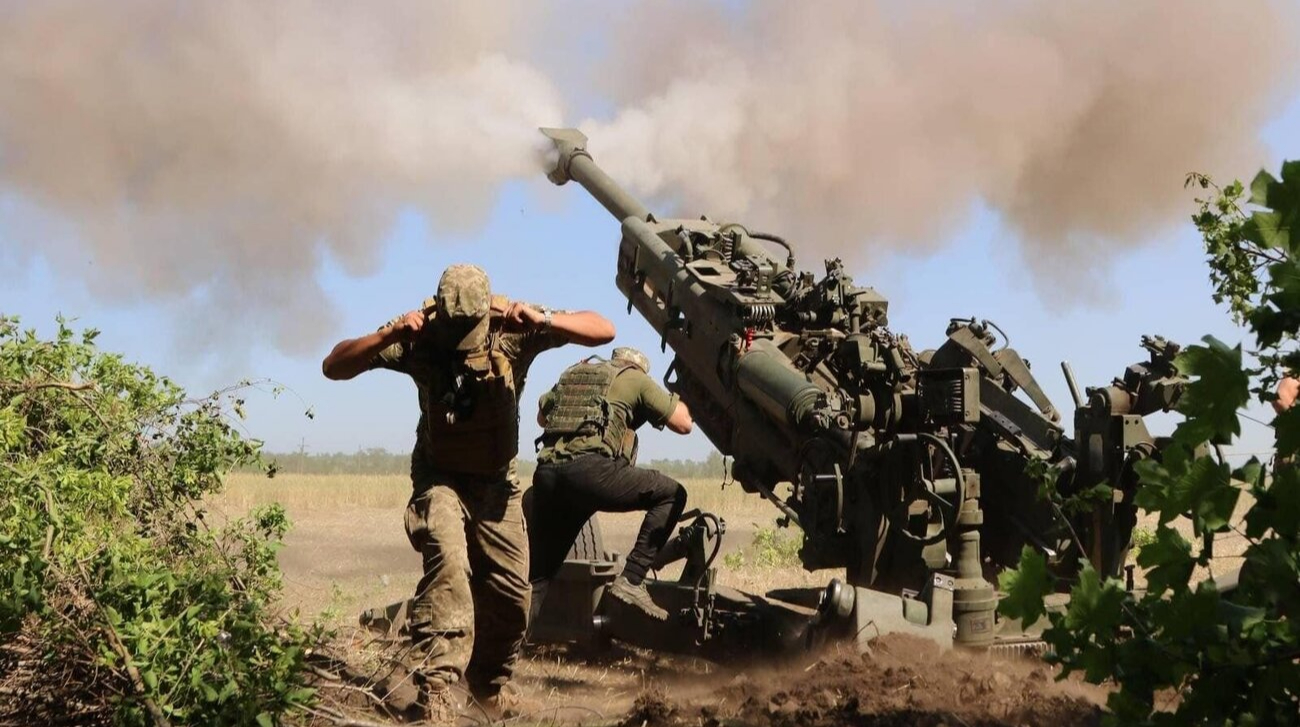
Ukrainian forces have conducted a strike Ukraine operation targeting the Molniya and Orion drone production plant in Russia's Taganrog, as reported by Ukraine's General Staff.[1] This action specifically aimed at facilities that contribute to reducing Russia's offensive potential, with additional targets including logistics depots.[1] These developments form part of a series of recent Ukrainian military actions, which also encompass drone strikes on Russian warships in Crimea and attacks on oil refineries shortly following a US policy shift on sanctions.[2][3]
Overview of Recent Ukrainian Strikes
Recent Ukrainian military activities have included a range of targeted operations against Russian assets, as documented in official reports and international coverage. Central to these efforts is the strike on the Molniya and Orion drone production plant in Taganrog, Russia, where Ukrainian forces attacked both the plant itself and associated logistics depots.[1] This operation was highlighted by Ukraine's General Staff as a measure to reduce Russia's offensive potential, underscoring the strategic focus on disrupting key manufacturing and supply infrastructure.[1]
Complementing this, Ukraine reported using drones to hit three Russian warships positioned in Crimea.[2] This naval-focused strike demonstrates Ukraine's capability to project force into contested maritime areas using unmanned systems, aligning with broader patterns of attrition against Russian naval elements.[2] The timing and execution of these warship attacks add to the cumulative pressure on Russian positions in the region.
Further expanding the scope, Ukrainian forces carried out strikes on Russian oil refineries, occurring hours after the United States waived sanctions on Moscow's oil exports.[3] This sequence of events highlights the intersection of military actions with international policy dynamics, as the refinery targets represent critical nodes in Russia's energy infrastructure.[3] Collectively, these strikes—the drone plant and logistics in Taganrog, warships in Crimea, and oil refineries—illustrate a multifaceted approach by Ukrainian forces to diminish Russian military capabilities across production, logistics, naval, and resource domains.[1][2][3]
These operations reflect coordinated efforts reported across multiple outlets, with Ukrainska Pravda detailing the General Staff's account of the Taganrog strike,[1] The Straits Times covering the Crimea warship incidents,[2] and CNN noting the refinery attacks in relation to US sanctions.[3] The emphasis on reducing offensive potential through such precise targeting suggests a deliberate strategy to erode Russia's sustainment and operational tempo.[1] As these reports converge, they paint a picture of intensified Ukrainian initiatives against high-value Russian targets, each designed to constrain adversary advantages in the ongoing conflict.[1][2][3]
Strike on Drone Production Facilities
{IMAGE_2}
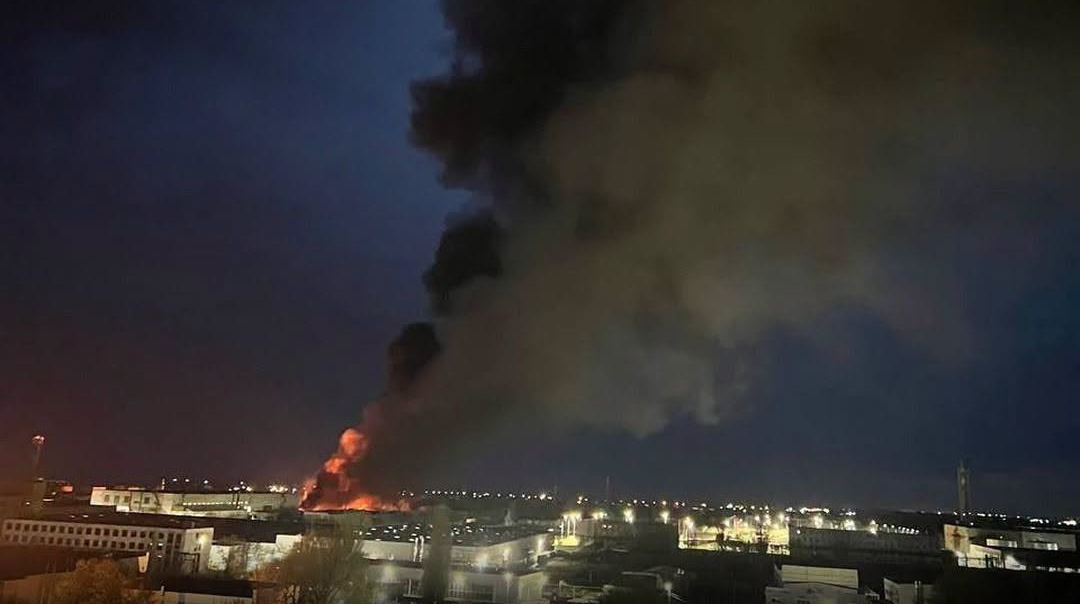
The strike on the Molniya and Orion drone production plant in Russia's Taganrog stands out as a focal point of recent Ukrainian military reporting. According to Ukraine's General Staff, as covered by Ukrainska Pravda, Ukrainian forces directly attacked this facility, which is dedicated to the production of drones.[1] Drones represent a significant component of modern warfare, and targeting their production hub directly addresses Russia's capacity to field such systems in offensive roles.[1]
In conjunction with the plant, the operation extended to logistics depots in the area, further amplifying its impact.[1] Logistics depots serve as vital links in the supply chain, storing materials, components, and equipment necessary for manufacturing and deployment. By striking these alongside the production site, Ukrainian forces aimed to create compounded disruptions, limiting not only output but also the resupply and distribution networks supporting drone operations.[1]
Ukraine's General Staff emphasized that these attacks contribute to reducing Russia’s offensive potential.[1] This reduction manifests through curtailed drone availability, which in turn hampers Russia's ability to conduct sustained aerial offensives reliant on such assets. The choice of Taganrog as a target underscores its role in housing these specific production capabilities, with the Molniya and Orion facilities identified as key producers.[1]
The reporting from Ukrainska Pravda provides a clear attribution to official Ukrainian sources, lending credibility to the details of the strike's execution and objectives.[1] This operation exemplifies how Ukrainian forces prioritize high-impact industrial targets to achieve strategic degradation. Repeated emphasis on offensive potential reduction indicates a long-term calculus, where incremental strikes accumulate to weaken broader Russian military posture.[1] The integration of plant and depot targeting reflects operational planning focused on efficiency, ensuring maximum effect from each engagement.[1]
Attacks on Russian Warships
Ukraine has reported successfully hitting three Russian warships in Crimea using drones, marking a notable escalation in maritime domain operations.[2] As detailed by The Straits Times, this strike involved unmanned aerial vehicles targeting naval assets, demonstrating Ukraine's growing proficiency in drone warfare against Russian fleet elements.[2]
Crimea serves as a strategic hub for Russian naval operations, and the warships struck there represent components of Moscow's Black Sea presence.[2] Ukraine's claim of hitting three such vessels highlights the vulnerability of stationary or moored ships to precision drone attacks, potentially affecting Russia's patrol and support capabilities in the region.[2]
The use of drones for this purpose mirrors tactics employed elsewhere, allowing Ukraine to engage high-value targets without risking manned aircraft or surface units.[2] The Straits Times coverage relays Ukraine's assertion directly, positioning the event as a successful operation amid ongoing hostilities.[2] Such strikes contribute to the attrition of Russian naval strength, aligning with efforts to contest control over key waterways.[2]
By focusing on warships, Ukrainian forces extend their disruptive reach beyond land-based infrastructure, targeting elements essential for power projection and logistics support.[2] The specificity of three warships being hit suggests targeted intelligence and execution, further evidencing the role of drones as force multipliers in asymmetric engagements.[2] This incident, as reported, reinforces the pattern of Ukrainian initiatives aimed at diminishing Russian military assets across multiple domains.[2]
Strikes on Oil Refineries
{IMAGE_3}
Ukrainian strikes on Russian oil refineries took place hours after the US waived sanctions on Moscow’s oil, as reported by CNN.[3] This timing positions the attacks in close proximity to a significant international policy adjustment, with the refineries serving as critical processing facilities in Russia's energy sector.[3]
The waiver of sanctions by the United States allowed continued flows of Moscow's oil, yet the immediate follow-up strikes by Ukraine targeted these refineries directly.[3] Oil refineries process crude into usable fuels and products, underpinning both economic and military sustainment for Russia.[3] Disrupting them interrupts supply chains vital for vehicular, aerial, and other operations.[3]
CNN's reporting frames the strikes as occurring in this narrow window, suggesting responsiveness to geopolitical shifts.[3] The refineries, as high-throughput nodes, amplify the potential impact of such attacks on Russia's resource base.[3] Ukraine's actions here parallel other operations by focusing on infrastructure that sustains prolonged conflict efforts.[3]
The precision in timing—hours after the waiver—highlights operational readiness and strategic opportunism.[3] These strikes aim to counteract economic enablers of military activity, aligning with broader goals of constraint.[3] Coverage from CNN provides a timeline-grounded account, emphasizing the linkage between US policy and Ukrainian response.[3]
Context of Operations
These strikes occur within the framework of ongoing military operations conducted by Ukrainian forces against Russian targets.[1][3] The attack on the Molniya and Orion drone plant, including logistics depots, explicitly seeks to reduce Russia’s offensive potential, fitting into a sustained campaign of attrition.[1]
Similarly, the refinery strikes shortly after the US sanctions waiver reflect adaptive tactics amid evolving external factors.[3] Ukraine's General Staff reporting on the Taganrog operation integrates with wider efforts to target production and logistics, maintaining pressure on Russian sustainment.[1]
The warships in Crimea and oil facilities represent extensions of this approach, where diverse assets are engaged to achieve cumulative effects.[2][3] Sources like Ukrainska Pravda and CNN contextualize these as part of persistent engagements.[1][3] Ongoing operations thus encompass industrial, naval, and energy domains, with each strike reinforcing the objective of diminishing capabilities.[1][3]
Implications for Russia's Military Capabilities
The collective impact of these Ukrainian strikes points to deliberate efforts to erode Russia's military effectiveness.[1][2][3] Foremost, the Taganrog operation against the drone production plant and logistics depots directly reduces Russia’s offensive potential, as stated by Ukraine's General Staff.[1] Drones and their supply chains are linchpins for aerial offensives, and their disruption cascades into operational limitations.
Warship strikes in Crimea further degrade naval components, potentially curtailing sea-based logistics and reconnaissance.[2] Oil refinery attacks, timed post-sanctions waiver, target fuel production essential for all military mobility.[3] Together, these actions—spanning manufacturing, maritime, and energy—aim to diminish Russia's military capabilities holistically.[1][2][3]
Reports from Ukrainska Pravda, The Straits Times, and CNN substantiate this pattern, with each outlet detailing specific degradative intents.[1][2][3] The strategic layering ensures no single domain is overlooked, fostering a multifaceted constraint on Russian forces.[1][3]
What to watch next: Further developments may include assessments of damage to the drone plant and refineries, alongside potential Russian responses to the warship strikes, as these operations continue to target reductions in offensive potential.[1][2][3]