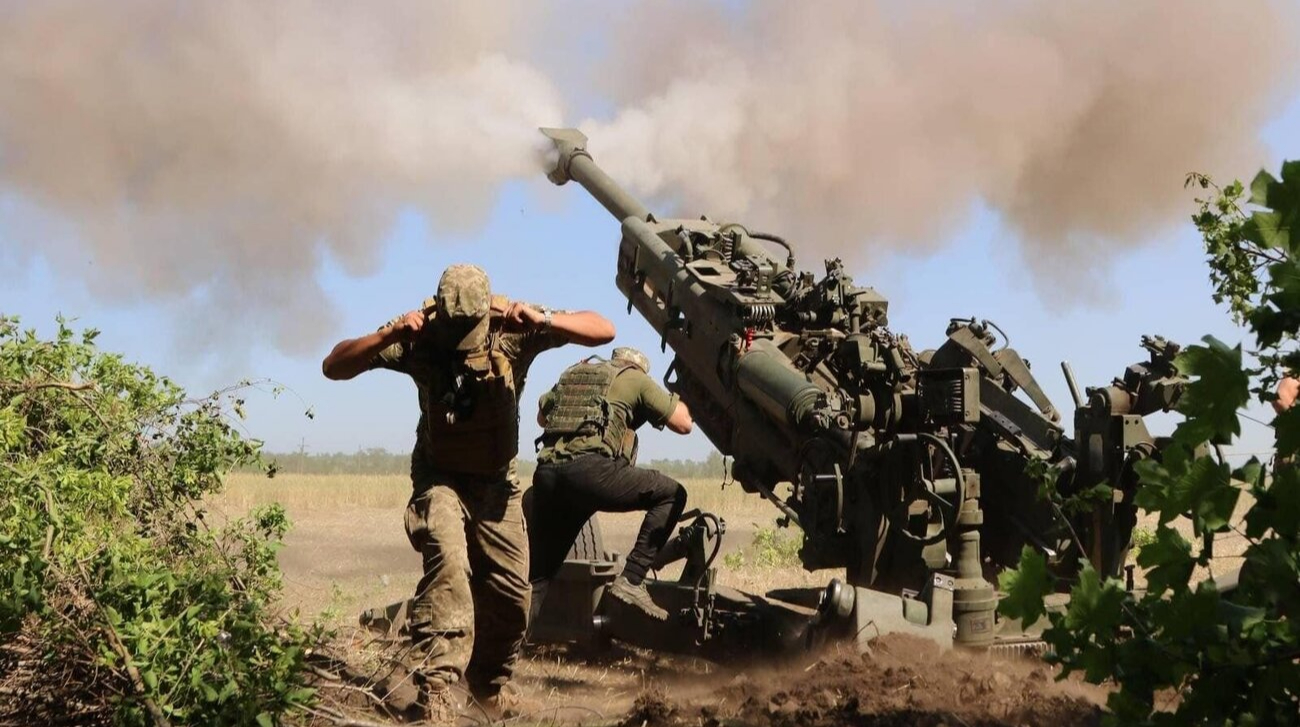
Strike in Ukraine: Drones Target Russian Oil Station in Samara Region
Ukrainian drones struck a Russian oil-pumping station in the Samara region, which is part of the Druzhba pipeline, in an operation that highlighted ongoing cross-border military actions.[1] This strike Ukraine development occurred alongside attacks on multiple Russian ammunition and logistics storage points in occupied territories and within Russia on 20-21 April.[2] Sources reported damage to five oil storage tanks and a resulting fire at the facility.[3] In response, Russian forces launched 143 drones and Iskander-M missiles, but Ukrainian air defenses intercepted 116 drones and one missile.[4] Meanwhile, intensified attacks continue to impact civilians across Ukraine, as noted in a recent UN statement.[5]
Overview of Recent Ukrainian Strikes
Recent Ukrainian strikes have focused on critical Russian infrastructure and military facilities, demonstrating a strategic emphasis on disrupting logistics and energy supplies. Ukrainian forces conducted operations targeting three Russian ammunition and logistics storage points located in both occupied territories and Russia proper.[2] These strikes took place on 20 April and into the night of 20-21 April, affecting regions including the temporarily occupied Donetsk, Luhansk, Kherson, and Zaporizhzhia oblasts, as well as Russia's Rostov and Bryansk oblasts.[2]
A key element of these operations involved Ukrainian drones striking an oil-pumping and dispatch facility in Russia's Samara region.[1] An official from Ukraine's SBU security service confirmed the attack on this facility in the village of Prosvet, underscoring the precision of the drone strikes.[1] This action aligns with broader efforts to target facilities integral to Russian energy exports, such as the Druzhba pipeline station that produces export-grade oil.[3] The combination of these strikes illustrates a multi-front approach by Ukrainian defense forces, hitting both frontline logistics in occupied areas and deeper rear targets inside Russia.[2]
The timing of these operations, spanning late 20 April into early 21 April, reflects intensified activity amid ongoing hostilities.[2] Sources indicate that the strikes were carried out by Ukraine's defense forces, with specific involvement from the Security Service of Ukraine (SBU) in the drone operations against the oil facility.[1][3] This overview captures the scope: from ammunition depots supporting Russian operations in occupied Donetsk and Luhansk to logistics hubs in Kherson and Zaporizhzhia, and extending to Russian territories like Rostov and Bryansk.[2] The Samara region strike adds a layer of economic targeting, as the facility's role in oil pumping and dispatch supports broader pipeline networks.[1]
These actions come as part of a pattern where Ukrainian forces leverage drone technology to reach high-value targets, potentially affecting Russian military sustainment and export capabilities.[3] The reported success in damaging infrastructure points to effective intelligence and execution, as detailed by SBU sources.[1][3] Overall, the strikes represent a coordinated effort across multiple oblasts, both occupied and Russian, emphasizing vulnerabilities in Russian supply lines.[2]
Details of the Druzhba Pipeline Attack
The strike on the Druzhba pipeline-related facility in Russia's Samara region provides a focal point for understanding the precision and impact of Ukrainian drone operations. Ukrainian drones, operated by the Security Service of Ukraine (SBU), targeted an oil-pumping and dispatch facility located in the village of Prosvet.[1] An SBU official confirmed the overnight attack, highlighting its strategic placement within the Samara region.[1]
Sources specify that the drones damaged five oil storage tanks at the Samara station, which produces export-grade oil, and ignited a fire.[3] This damage underscores the facility's vulnerability, as it serves a critical function in the Druzhba pipeline system, one of Europe's major oil conduits originating from Russia.[1][3] The SBU's involvement points to specialized capabilities in long-range drone strikes, capable of reaching deep into Russian territory.[1]
The location in Prosvet village places the facility in a key operational node for oil handling and dispatch, potentially disrupting flows along the pipeline.[1] Reports from sources emphasize the fire's outbreak following the tank damage, indicating significant structural impact.[3] This event fits into the broader context of Ukrainian efforts to target energy infrastructure that supports Russian exports, with the station explicitly noted for producing export-grade oil.[3]
Analysis of the strike reveals its tactical value: by hitting pumping and storage elements, Ukrainian forces aim to create logistical challenges for Russian operations.[1][3] The confirmation from an SBU official adds credibility, as it directly ties the operation to Ukraine's security apparatus.[1] The fire's occurrence suggests secondary effects like potential operational halts or repair needs, though specifics on duration remain tied to initial reports.[3] This strike Ukraine incident exemplifies how drone technology enables strikes on hardened or remote targets, with the Samara region's oil infrastructure now bearing visible consequences.[1][3]
{IMAGE_2}
Russian Military Responses and Ukrainian Defenses
Russian forces mounted a substantial aerial assault in response to Ukrainian actions, launching 143 drones alongside Iskander-M missiles in a large-scale overnight operation.[4] Ukraine's air defense forces demonstrated resilience, intercepting 116 of the drones and one Iskander-M missile.[4] This interception rate highlights the effectiveness of Ukrainian defenses against massed drone swarms and ballistic threats.
The Russian barrage involved a combination of unmanned aerial vehicles and the Iskander-M, a short-range ballistic missile system known for its precision and speed.[4] Ukrainian air defenses, operating across multiple regions, managed to down the majority of the incoming drones, leaving 27 unaccounted for in initial reports.[4] The single Iskander-M missile downed further illustrates defensive successes against higher-end threats.
This exchange occurred in the context of escalating aerial warfare, where Russia employs volume tactics with drones to overwhelm defenses.[4] Ukraine's ability to neutralize 116 drones—approximately 81% of the total launched—points to robust systems like surface-to-air missiles and electronic warfare capabilities.[4] The overnight timing mirrors patterns seen in prior assaults, aiming to exploit reduced visibility and fatigue.
Defensive operations required coordination across Ukraine's air defense network, responding to launches detected in real-time.[4] The Iskander-M interception is particularly notable, as these missiles travel at supersonic speeds, demanding advanced radar and interceptor technology.[4] Sources confirm the scale of the assault as one of the larger recent drone barrages, yet Ukrainian forces curtailed its impact significantly.[4]
Broader Humanitarian Impacts
Intensified attacks in Ukraine have placed civilians at the forefront of the humanitarian crisis, as outlined in a UN Security Council statement.[5] Since the last briefing one month prior, missile, drone, and artillery strikes have escalated, with civilians bearing the brunt of the violence.[5] Joyce Msuya, Assistant Secretary-General for Humanitarian Affairs and Deputy Emergency Relief Coordinator, delivered the remarks on behalf of Tom Fletcher, Under-Secretary-General for Humanitarian Affairs and Emergency Relief Coordinator.[5]
The statement emphasizes the "humanitarian realities" across Ukraine, building on political and security updates provided by colleague Assistant-Secretary-General Khiari.[5] Attacks have not only increased in frequency but continue to affect non-combatants disproportionately, through direct strikes and associated disruptions.[5] The UN Office for the Coordination of Humanitarian Affairs (OCHA) sourced the delivery, referring to an attached file for full details.[5]
This escalation compounds existing challenges, with civilians facing risks from the full spectrum of weaponry: missiles, drones, and artillery.[5] The Security Council address underscores the urgency, noting impacts since the prior monthly briefing.[5] Humanitarian operations must navigate this intensified environment, where strikes target or inadvertently hit populated areas.[5]
The UN's focus on civilian tolls calls attention to the human cost amid military exchanges, advocating for protections under international law.[5] As delivered to the Council, the statement prioritizes these realities, linking them to broader security developments.[5]
{IMAGE_3}
Additional Ukrainian Operations
Ukrainian forces extended their reach with strikes on three Russian ammunition and logistics storage points, spanning occupied territories and Russian regions.[2] These operations targeted facilities in the temporarily occupied Donetsk, Luhansk, Kherson, and Zaporizhzhia oblasts, as well as Russia's Rostov and Bryansk oblasts.[2] Conducted on 20 April and the night of 20-21 April, the strikes aimed at disrupting Russian military sustainment.[2]
The selection of targets—ammunition and logistics storage—highlights vulnerabilities in supply chains supporting frontline operations.[2] In occupied Donetsk and Luhansk, these points likely bolstered Russian advances, while Kherson and Zaporizhzhia strikes addressed southern fronts.[2] Extensions into Rostov and Bryansk, adjacent Russian oblasts, demonstrate cross-border capabilities.[2]
Ukraine's defense forces executed these with a focus on military infrastructure, avoiding unsubstantiated claims of wider damage.[2] The multi-day span allowed sequential hits, potentially compounding effects on Russian logistics.[2] This complements the Samara oil strike, forming a comprehensive campaign against sustainment assets.[2]
Air Defense Effectiveness in Recent Exchanges
Ukrainian air defenses have proven pivotal in countering Russian aerial offensives, as evidenced by the recent large-scale assault.[4] Out of 143 drones launched by Russian forces, 116 were downed, alongside one Iskander-M missile.[4] This performance metric—over 80% drone interception—reflects sustained improvements in defensive posture.[4]
The overnight assault tested Ukraine's layered defenses against a mix of cheap drones and sophisticated missiles.[4] Success against the Iskander-M, which poses unique challenges due to its trajectory and speed, bolsters confidence in interceptors like Patriot or NASAMS systems implied in operations.[4] Remaining drones, though fewer, still necessitate vigilance across regions.[4]
These interceptions mitigate potential damage from Russian strikes, preserving civilian and military assets.[4] The scale of the launch—143 drones—indicates Russia's reliance on attrition tactics, yet Ukrainian forces curtailed most threats.[4]
What to watch next: Monitor potential follow-up Ukrainian strikes on Russian logistics in regions like Rostov and Bryansk,[2] Russian aerial responses that could test air defenses further,[4] and UN updates on civilian impacts from ongoing intensified attacks.[5]