
Strike in Ukraine: Drones Damage Russian Oil Storage Tanks
In a significant development in the ongoing conflict, Ukrainian drones have struck a Russian pipeline station in what is being described as a strike in Ukraine's broader military response, damaging five oil storage tanks and causing a fire.[1] This action targeted the Druzhba pipeline facility, which produces export-grade oil, highlighting the escalation in cross-border operations.[1] Meanwhile, Russian forces have mounted large-scale assaults involving drones and missiles, met with substantial Ukrainian interceptions, as attacks across Ukraine continue to intensify with severe implications for civilians.[2][3]
Key Facts
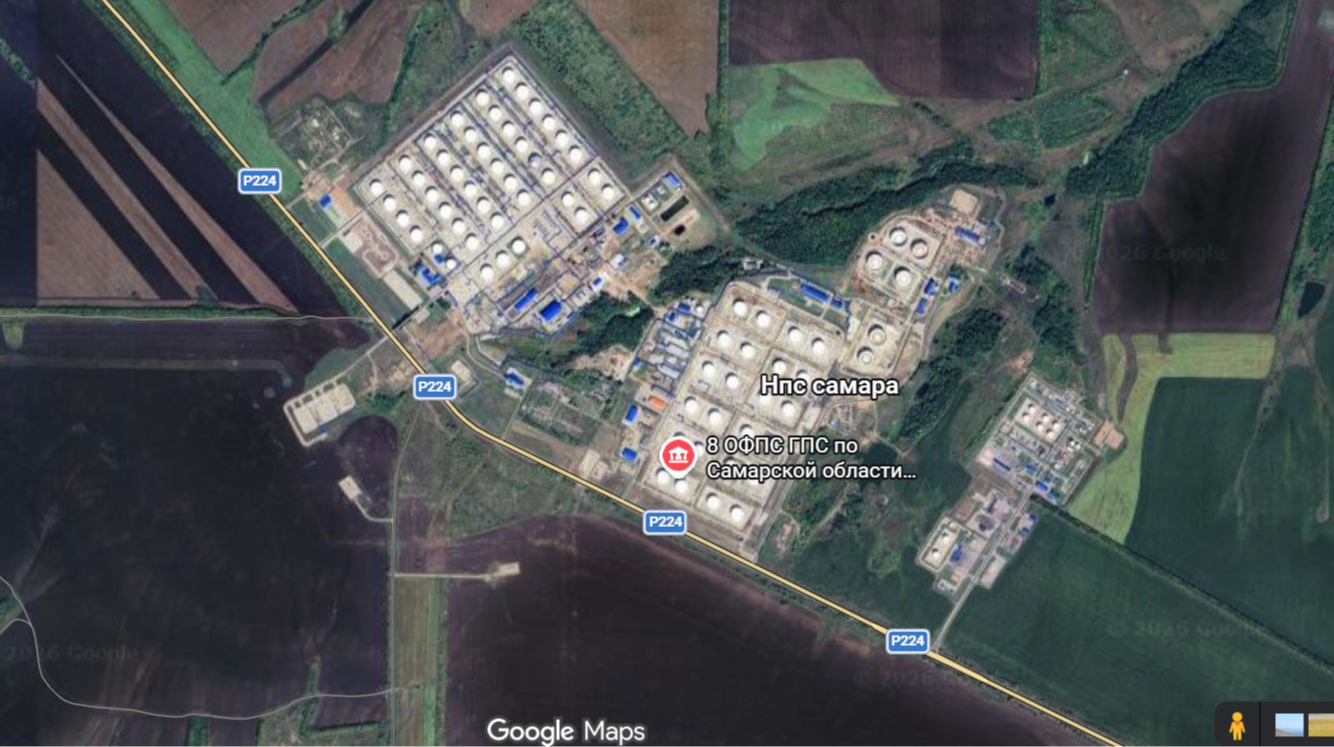
The recent military exchanges between Ukraine and Russia encapsulate a series of critical events drawn directly from verified reports. Central to these is the Ukrainian drone operation against a key Russian energy infrastructure site, where drones operated by the Security Service of Ukraine struck the Samara station of the Druzhba pipeline.[1] This facility is noted for producing export-grade oil, underscoring its strategic importance in Russia's energy export network.[1] The strike resulted in damage to five oil storage tanks and ignited a fire, marking a precise hit on infrastructure supporting Russia's oil exports.[1]
Complementing this offensive action, Russian forces initiated a major aerial assault, launching 143 drones alongside Iskander-M missiles.[2] Ukraine's air defense responded effectively, intercepting 116 of the drones and one Iskander-M missile, demonstrating robust defensive capabilities during this overnight operation.[2] These interceptions represent a significant portion of the incoming threats neutralized.
On the humanitarian front, a United Nations statement has drawn attention to the worsening situation, noting that attacks have intensified since the previous Security Council briefing one month prior.[3] Civilians continue to bear the brunt of missile, drone, and artillery strikes, as emphasized by Joyce Msuya, Assistant Secretary-General for Humanitarian Affairs and Deputy Emergency Relief Coordinator, speaking on behalf of Tom Fletcher, Under-Secretary-General for Humanitarian Affairs and Emergency Relief Coordinator.[3] This overview of key facts sets the stage for deeper examination of the reciprocal military actions and their consequences.[1][2][3]
Overview of Recent Strikes
Recent strikes in Ukraine and cross-border operations reflect the intensifying aerial warfare dynamics in the conflict. Reports detail a multifaceted exchange where Russian forces conducted a large-scale assault involving 143 drones and Iskander-M missiles overnight.[2] This barrage was met with Ukrainian air defenses downing 116 drones and one missile, providing a glimpse into the scale and intensity of these engagements.[2] Such operations underscore the reliance on unmanned aerial vehicles and ballistic missiles as primary tools in the ongoing military confrontations.
Simultaneously, Ukrainian forces executed a targeted drone strike on Russian territory, hitting the Druzhba pipeline station at Samara.[1] This facility, responsible for producing export-grade oil, suffered damage to five oil storage tanks, accompanied by a fire.[1] The involvement of the Security Service of Ukraine in operating these drones indicates a coordinated intelligence and special operations effort aimed at disrupting Russian energy logistics.[1] These strikes, both offensive and defensive, illustrate a pattern of reciprocal actions that have marked recent weeks.
The context of these events is further illuminated by the broader pattern of intensified attacks across Ukraine.[3] As noted in the UN statement to the Security Council, the humanitarian realities have worsened, with civilians disproportionately affected by the escalation in missile, drone, and artillery strikes.[3] This overview highlights how individual incidents fit into a larger cycle of aerial and missile-based confrontations, where both sides leverage advanced weaponry to assert pressure.[1][2] The precision of the Ukrainian strike on the Druzhba station, combined with the volume of the Russian assault, points to a strategic competition over air superiority and infrastructure resilience.[1][2]
Ukrainian Defensive Operations
{IMAGE_2}
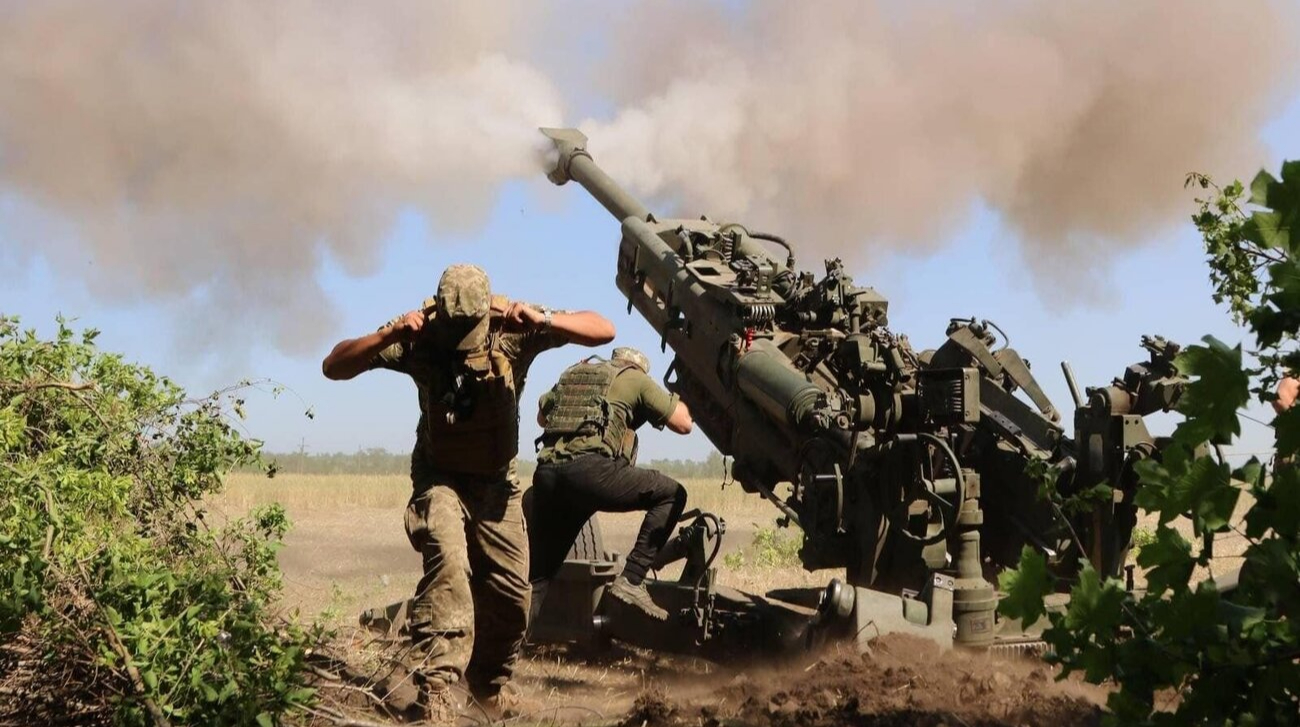
Ukraine's air defense forces demonstrated considerable effectiveness in countering a massive Russian aerial onslaught, intercepting 116 out of 143 drones and one Iskander-M missile launched in a large-scale overnight assault.[2] This operation represents one of the more substantial defensive achievements reported, with the high number of interceptions—approximately 81% of the drones—highlighting the sophistication and readiness of Ukraine's layered air defense systems.[2] The inclusion of Iskander-M missiles, known for their ballistic trajectory and speed, adds complexity to the defensive challenge, yet Ukrainian forces managed to neutralize one such threat alongside the drone swarm.[2]
The scale of the Russian launch, totaling 143 drones plus missiles, indicates an intent to overwhelm Ukrainian defenses through sheer volume.[2] Despite this, the interceptions prevented a significant portion of the incoming ordnance from reaching their targets, potentially mitigating damage to infrastructure and civilian areas.[2] This defensive operation occurred amid reports of intensified attacks across Ukraine, where such barrages have become a recurring tactic.[3] The Ukrainian air force's ability to sustain high interception rates in the face of repeated large-scale assaults speaks to ongoing improvements in radar detection, electronic warfare, and interceptor missile deployment.[2]
Detailing the event, the overnight timing likely aimed to exploit reduced visibility and fatigue factors, yet Ukraine's 24-hour vigilance ensured a robust response.[2] The downing of 116 drones alone required coordinated efforts across multiple regions, involving mobile units and fixed installations working in tandem.[2] This success not only bolsters Ukrainian morale but also disrupts Russian operational tempo by forcing resource expenditure on replenishing lost assets.[2] In the context of the broader strike in Ukraine, these defensive operations form a critical counterbalance to offensive pressures.[2]
Ukrainian Offensive Actions
The Ukrainian offensive strike targeted a vital component of Russia's energy infrastructure, with drones operated by the Security Service of Ukraine damaging five oil storage tanks at the Samara station of the Druzhba pipeline and causing a fire.[1] The Druzhba pipeline facility is specifically identified as producing export-grade oil, making it a high-value target with implications for Russia's global energy supply chains.[1] This precision strike demonstrates Ukraine's capability to project force deep into Russian territory, leveraging drone technology for long-range operations without risking manned aircraft.[1]
The damage to five storage tanks suggests a focused attack likely involving multiple drones or sequential strikes, resulting in a fire that could have compounded the impact through secondary effects like heat damage or operational shutdowns.[1] The Security Service of Ukraine's role points to integration of intelligence gathering, surveillance, and strike execution, ensuring the operation's success against a defended site.[1] By hitting export-grade oil production, this action directly challenges Russia's economic leverage derived from energy exports.[1]
In the sequence of recent events, this offensive mirrors the intensity of Russian assaults but shifts the focus to asymmetric warfare.[1][2] The fire at the station would have necessitated immediate response from Russian emergency services, potentially diverting resources from frontline efforts.[1] This strike exemplifies how Ukraine employs drones not just defensively but offensively to impose costs on Russian logistics, aligning with patterns of infrastructure-targeted operations in the conflict.[1]
Humanitarian Impact of Attacks
{IMAGE_3}
The humanitarian situation in Ukraine has deteriorated amid intensified attacks, with civilians bearing the brunt as articulated in a formal UN statement to the Security Council.[3] Delivered by Joyce Msuya, Assistant Secretary-General for Humanitarian Affairs and Deputy Emergency Relief Coordinator, on behalf of Tom Fletcher, Under-Secretary-General for Humanitarian Affairs and Emergency Relief Coordinator, the briefing emphasized that since the last update one month ago, missile, drone, and artillery strikes have escalated.[3] This intensification has placed extraordinary pressure on civilian populations, who face the direct and indirect consequences of these military actions.[3]
The UN's assessment builds on political and security developments outlined by Assistant Secretary-General Khiari, focusing on the ground-level humanitarian realities across Ukraine.[3] Civilians continue to endure the primary impacts, including loss of life, displacement, and destruction of essential services, as strikes proliferate.[3] The reference to missile, drone, and artillery strikes aligns with the reported Russian assault involving 143 drones and Iskander-M missiles, underscoring the pervasive threat from aerial weaponry.[2][3]
This statement highlights the disproportionate suffering inflicted on non-combatants, calling attention to the need for protection amid the conflict's expansion.[3] The timing—one month after the prior briefing—indicates a measurable uptick in hostilities, with each assault compounding vulnerabilities in populated areas.[3] Humanitarian actors, coordinated by the UN Office for the Coordination of Humanitarian Affairs, are documenting these effects to inform international responses.[3]
Current Situation Summary
The current dynamics of the conflict reveal a tit-for-tat escalation marked by high-volume Russian assaults and targeted Ukrainian counterstrikes.[1][2] Russian forces launched 143 drones and Iskander-M missiles in a large-scale operation, only for Ukrainian air defenses to intercept 116 drones and one missile, showcasing defensive resilience.[2] Concurrently, Ukrainian Security Service drones struck the Druzhba pipeline's Samara station, damaging five oil storage tanks—key to export-grade oil production—and sparking a fire.[1]
This interplay occurs against a backdrop of intensified attacks across Ukraine, where UN officials report civilians suffering the most from missile, drone, and artillery barrages.[3] The interception rate in the defensive operation—116 out of 143 drones—demonstrates Ukraine's capacity to blunt major threats, while the offensive strike disrupts Russian energy infrastructure.[1][2] Together, these events reflect sustained aerial engagements testing both sides' technological and operational limits.[1][2]
The UN's Security Council statement reinforces the humanitarian toll, noting escalation since the prior briefing and the ongoing burden on civilians.[3] This summary captures the reciprocal nature of strikes, from defensive triumphs to offensive precision, amid worsening civilian conditions.[1][2][3]
What to watch next: Monitor Ukrainian air defense performance against future large-scale Russian drone and missile assaults, potential repercussions from the Druzhba pipeline damage, and UN updates on civilian impacts from intensified strikes.[1][2][3]