
Strike in Lebanon: Thousands of Civilians Killed in Israel's Attacks Amid Ceasefire
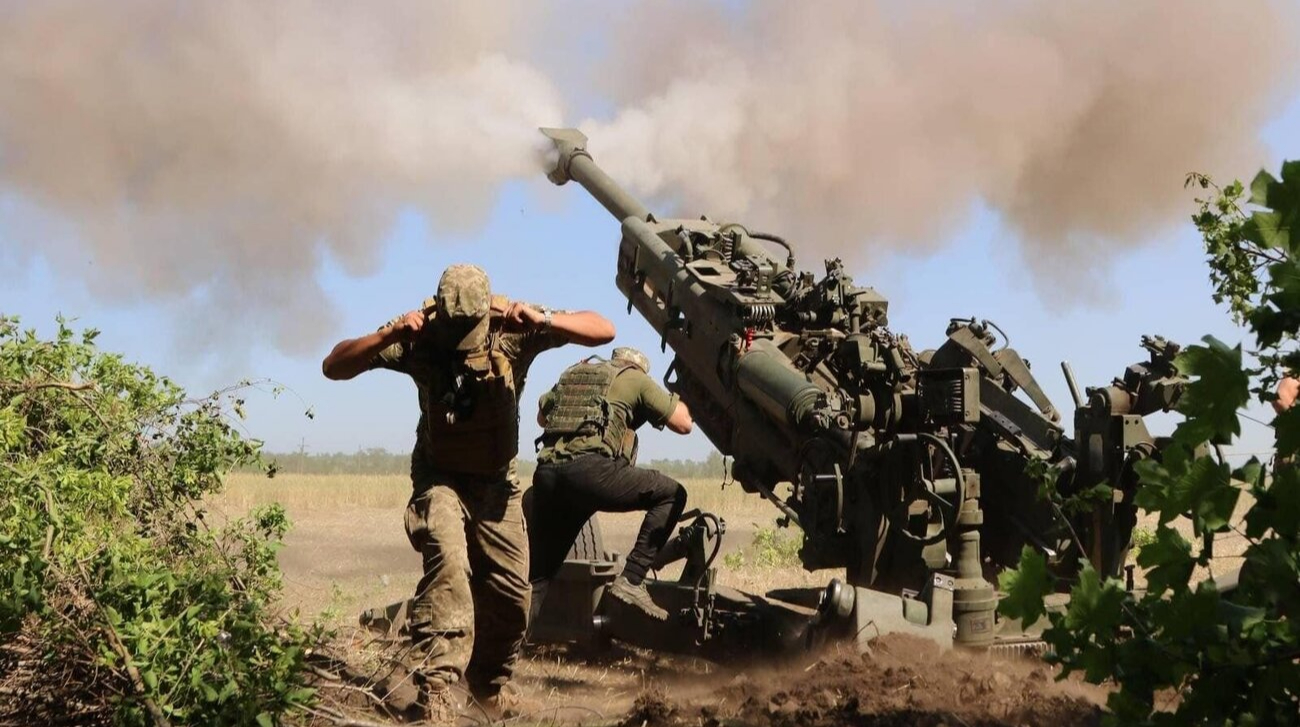
Thousands of civilians have died in Israel's attacks on Lebanon amid a 10-day ceasefire.[1] This strike in Lebanon has drawn widespread attention, as military activities persist despite the truce, with reports highlighting ongoing demolitions and infrastructure disruptions in the region.[1][2][3]
Overview of the Ceasefire and Attacks
A 10-day ceasefire has been established between Israel and Lebanon, marking a temporary pause in the escalation of hostilities.[1] However, Israel's attacks on its northern neighbor continue, fueling concerns about the agreement's durability.[1] These operations are characterized in reports as part of a broader "shadow war," involving strikes that have targeted areas across Lebanon.[1] The ceasefire comes after months of tension, but the persistence of Israeli military actions underscores the fragile nature of the truce. According to available accounts, these attacks are not isolated incidents but part of a pattern that has disrupted daily life and infrastructure in southern Lebanon.[1][2] The context of this strike in Lebanon reveals a complex security dynamic, where both sides navigate commitments under international scrutiny while addressing immediate threats along the border.[1] Lebanon's response has included efforts to mitigate the damage, even as Israeli forces maintain a presence in certain areas.[1][3] This overview situates the current situation within a history of cross-border exchanges, where the ceasefire aims to de-escalate but faces challenges from continued operations.[1]
Impact on Civilians
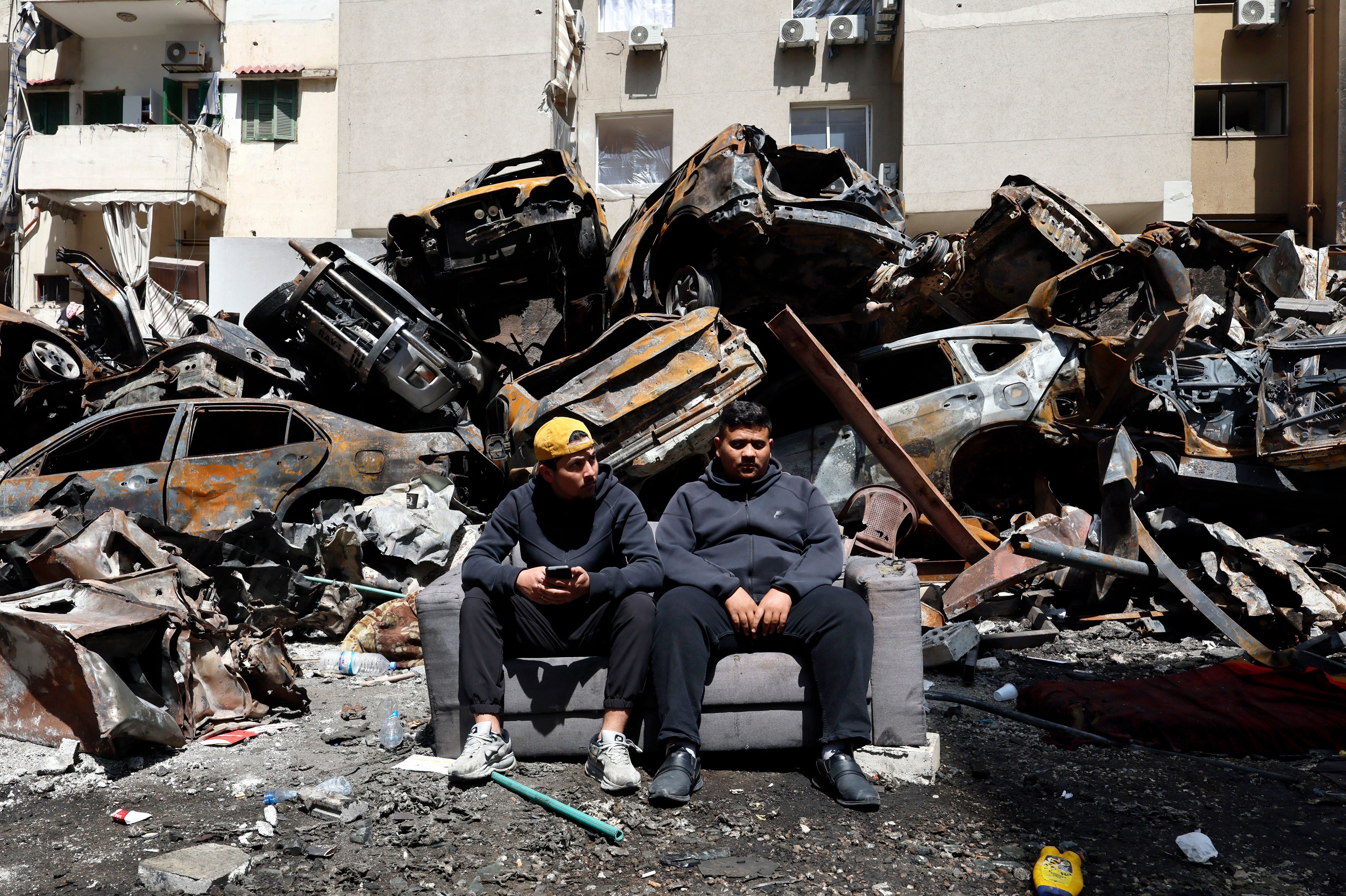
The human cost of Israel's attacks on Lebanon has been severe, with thousands of civilians reported killed.[1] These deaths are attributed to strikes conducted as part of what has been termed a "shadow war," widely condemned for its collateral damage.[1] Civilian casualties have mounted amid the intensity of the operations, affecting communities in various parts of the country, particularly in the south where much of the activity is concentrated.[1] The scale of these losses—thousands in total—highlights the toll on non-combatants caught in the crossfire of this prolonged conflict.[1] Reports emphasize that these fatalities occurred even as diplomatic efforts led to the 10-day ceasefire, illustrating the challenges in protecting civilian populations during active military engagements.[1] Families and local residents have borne the brunt, with disruptions extending beyond immediate deaths to long-term displacement and trauma in affected regions.[1] This impact underscores the broader consequences of the strike in Lebanon, where military objectives intersect with civilian life, leading to significant humanitarian concerns.[1]
Recent Military Demolitions
Israeli forces have carried out demolitions in southern Lebanon, focusing on border areas as part of their operations.[3] In the town of Bint Jbeil, located about five kilometers from the border, these activities involved the detonation of houses, according to Lebanese state media.[3] The state-run National News Agency (NNA) reported that Israeli troops are repeating "house detonating operations" in Bint Jbeil and similar actions in other border towns where they maintain a presence.[3] These demolitions are described as preparations for "detonation options," suggesting strategic planning to alter the landscape or neutralize potential threats in the vicinity.[3] The operations continue despite the ceasefire, indicating that certain military maneuvers are ongoing in contested zones.[3] Lebanese state media has documented these events, providing on-the-ground accounts of the explosions and their immediate effects on local structures.[3] The Israeli military has also referenced related air force actions, stating that it had eliminated unspecified targets, though details remain limited in reports.[3] This pattern of demolitions in southern Lebanon reflects a tactical approach to securing border areas, with implications for the local population and infrastructure.[3]
Efforts to Restore Infrastructure
The Lebanese army has taken steps to reopen key routes disrupted by Israeli attacks, aiming to restore normalcy in affected areas.[2] Specifically, the Khardali–Nabatieh road in southern Lebanon has been fully reopened, facilitating movement for residents and essential traffic.[2] Additionally, access to the Burj Rahal–Tyre bridge has been partially restored, addressing some of the blockages caused by the strikes.[2] These efforts by the army demonstrate a proactive response to the infrastructure damage inflicted during the period of heightened conflict.[2] The reopening of these routes is crucial for southern Lebanon, a region heavily impacted by the disruptions, as it allows for the resumption of commerce, aid delivery, and daily travel.[2] Army statements confirm that these restorations followed assessments of the damage from Israeli attacks, prioritizing high-traffic corridors.[2] By clearing obstacles and securing pathways, the Lebanese military is working to mitigate the economic and logistical fallout from the events.[2] This restoration process occurs against the backdrop of the ceasefire, providing a measure of relief even as other challenges persist in the area.[2]
Potential Future Implications
Israel's attacks on Lebanon are regarded as a potential precursor to a new land grab and the establishment of a permanent security presence.[1] This perspective frames the ongoing operations within a larger strategic context, where military actions could lead to shifts in territorial control along the border.[1] The continuation of demolitions and strikes during the ceasefire raises questions about long-term intentions, particularly in southern Lebanon where Israeli forces remain active.[1][3] Reports suggest that these moves might aim to create buffer zones or secure vantage points, altering the dynamics of the Israel-Lebanon frontier.[1] The "shadow war" label applied to these attacks implies covert or sustained pressure tactics that extend beyond immediate ceasefires.[1] As infrastructure restoration proceeds, the interplay between Lebanese recovery efforts and Israeli military presence could shape future negotiations or escalations.[1][2] Analysts viewing these developments note the risk of entrenched positions, potentially complicating any withdrawal or peace process.[1] The 10-day ceasefire thus serves as a critical window, with the nature of attacks signaling possible ambitions for prolonged influence in the region.[1]
What to watch next: As the 10-day ceasefire progresses, attention will focus on whether Israeli demolitions in southern Lebanon continue unabated[3] and if the attacks evolve into a more permanent security footprint,[1] while Lebanese forces sustain infrastructure reopenings.[2]