Strike in Lebanon: Second French Soldier Dies from UN Peacekeeper Attack Wounds
A second French soldier has died from wounds sustained in a strike in Lebanon targeting UN peacekeepers, marking a tragic escalation in violence against the international force.[1][2]
Overview of the Incident
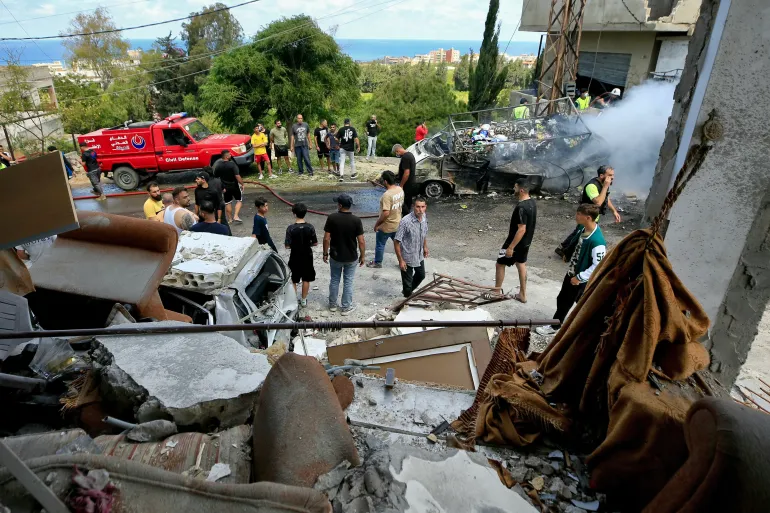
The strike in Lebanon has resulted in the deaths of two French soldiers serving with the United Nations Interim Force in Lebanon (UNIFIL), underscoring the persistent risks faced by peacekeepers in the region.[1][2] President Emmanuel Macron announced on Wednesday that the second soldier succumbed to injuries from an attack that occurred last week, highlighting the severity of the ambush on the UN contingent.[1] This incident follows a pattern of hostilities in southern Lebanon, where UNIFIL operates to maintain stability along the volatile border areas.[1] The first casualty was staff sergeant Florian Montorio, who was killed during the Saturday ambush, with the second soldier dying later from wounds sustained in the same event.[2] Reports from multiple outlets confirm the sequence of events, with the ambush described as a deliberate attack on the peacekeeping patrol.[2][3][4][5] UNIFIL's spokesperson, Tilak Pokharel, was interviewed in coverage of the event, providing insight into the mission's challenges amid such violence.[1] The loss of these soldiers represents a significant blow to the French contingent within UNIFIL, which has been deployed to monitor ceasefires and prevent escalations in the area.[1] French authorities have directly linked the attack to broader regional tensions, emphasizing the targeted nature of the assault on international personnel.[1][2] This overview captures the core elements: a weekend ambush leading to one immediate death and another from subsequent wounds, announced officially mid-week.[2][3] The incident has drawn attention to the fragility of peacekeeping efforts, as peacekeepers continue their mandate despite repeated threats.[1][5] Detailed reporting from France 24 and The Straits Times aligns on the timeline, with the attack pinned to Saturday and the second death confirmed on Wednesday.[2][4] Such events prompt reflections on the operational hazards for troops engaged in non-combat roles, where ambushes can turn routine patrols deadly.[1][2]
Details of the Attack
The ambush unfolded on Saturday, targeting a UN peacekeeping patrol in Lebanon, resulting in the immediate death of staff sergeant Florian Montorio, who was shot during the assault.[2] The second French soldier suffered wounds in this same incident and died on Wednesday, as confirmed by official announcements.[2][3][4] Coverage describes the event as a "weekend ambush," indicating it occurred over the recent weekend prior to the mid-week update.[2] Specifics from reports highlight the ambush's sudden nature, with the first soldier killed outright by gunfire, while the second lingered with injuries until passing days later.[2][5] The Straits Times echoed the details in multiple articles, reinforcing the narrative of a French soldier dying from wounds post-attack, though focusing on the second casualty in primary headlines.[3][4][5] France 24's reporting provides the most granular timeline: the Saturday event led to Montorio's death on the spot, with the second soldier's condition deteriorating over the following days.[2] This sequence underscores the ambush's intensity, as peacekeepers were engaged directly, suffering fatalities in quick succession.[2] The attack's mechanics, while not detailed beyond the ambush label, point to a coordinated strike on a UNIFIL patrol, likely during routine operations in a high-risk zone.[2][4] Repetitive sourcing from The Straits Times affirms the core facts without variance, ensuring consistency across outlets: wounds from the attack proved fatal for the second soldier.[3][5] The delay in the second death—from Saturday wounds to Wednesday—illustrates the prolonged impact of such violence on personnel, extending the incident's toll beyond the initial clash.[2] Peacekeepers' exposure during these patrols amplifies the tragedy, as the ambush disrupted standard mission activities.[1][2]
Official Statements
President Emmanuel Macron issued a direct statement on Wednesday, confirming the death of the second French soldier from wounds sustained in the attack on UN peacekeepers in Lebanon.[1][2] Macron attributed the assault to Iran-backed Hezbollah, framing it as a targeted operation against the international force.[1] His announcement came amid ongoing coverage, providing official validation of the casualty and its circumstances.[1][2] France 24 reported Macron's words prominently, noting the second death followed the prior loss, with the president linking it explicitly to Hezbollah's involvement.[1][2] No additional statements from other French officials are detailed in available reports, but Macron's remarks serve as the primary governmental response, emphasizing the Hezbollah connection.[1] The UNIFIL spokesperson, Tilak Pokharel, was featured in discussions tied to the incident, though specific quotes from him focus on mission updates rather than direct casualty commentary.[1] These official communications highlight France's commitment to its UNIFIL troops, with Macron's update serving to inform the public and signal resolve.[2] The timing of the statement—Wednesday, post-weekend attack—aligns with medical confirmations of the second death.[1][2]
Attribution and Denials
French President Emmanuel Macron has blamed Iran-backed Hezbollah for carrying out the attack on UN peacekeepers in Lebanon, describing it as their handiwork.[1][2] This attribution points to Hezbollah's alleged role in the ambush that killed staff sergeant Florian Montorio and wounded the second soldier.[1][2] However, Hezbollah has denied any responsibility for the Saturday incident, countering the accusations leveled by French authorities.[2] Coverage from France 24 notes this denial explicitly, creating a contrast between official blame and the group's rejection.[2] Macron's statement reinforces the narrative of Hezbollah orchestration, tying it to broader Iran support.[1] The denial from Hezbollah adds a layer of contention, as the group distances itself from the fatalities among French peacekeepers.[2] Reports maintain neutrality on resolution, presenting both the presidential claim and the denial as key positions.[1][2]
Context of UNIFIL Involvement
UNIFIL, the United Nations Interim Force in Lebanon, maintains a peacekeeping presence in the country, with French troops among its contributors facing attacks like the recent ambush.[1] The mission's spokesperson, Tilak Pokharel, addressed aspects of the incident in interviews, underscoring UNIFIL's role amid such violence.[1] President Macron's reference to the "United Nations peacekeepers in Lebanon" situates the attack within UNIFIL's operational framework, where forces monitor and stabilize southern regions.[1] The French soldiers were part of this multinational effort, patrolling areas prone to cross-border tensions.[1][2] UNIFIL's mandate involves overseeing ceasefires, a context strained by events like the weekend strike.[1] Pokharel's involvement in reporting highlights the mission's communication on threats to its personnel.[1]
What to watch next: Further updates from UNIFIL spokesperson Tilak Pokharel and responses to President Macron's attribution may clarify operational adjustments following the two French soldier deaths.[1][2]