
Strike in Lebanon: Over 2,300 People Killed in Israeli Attacks
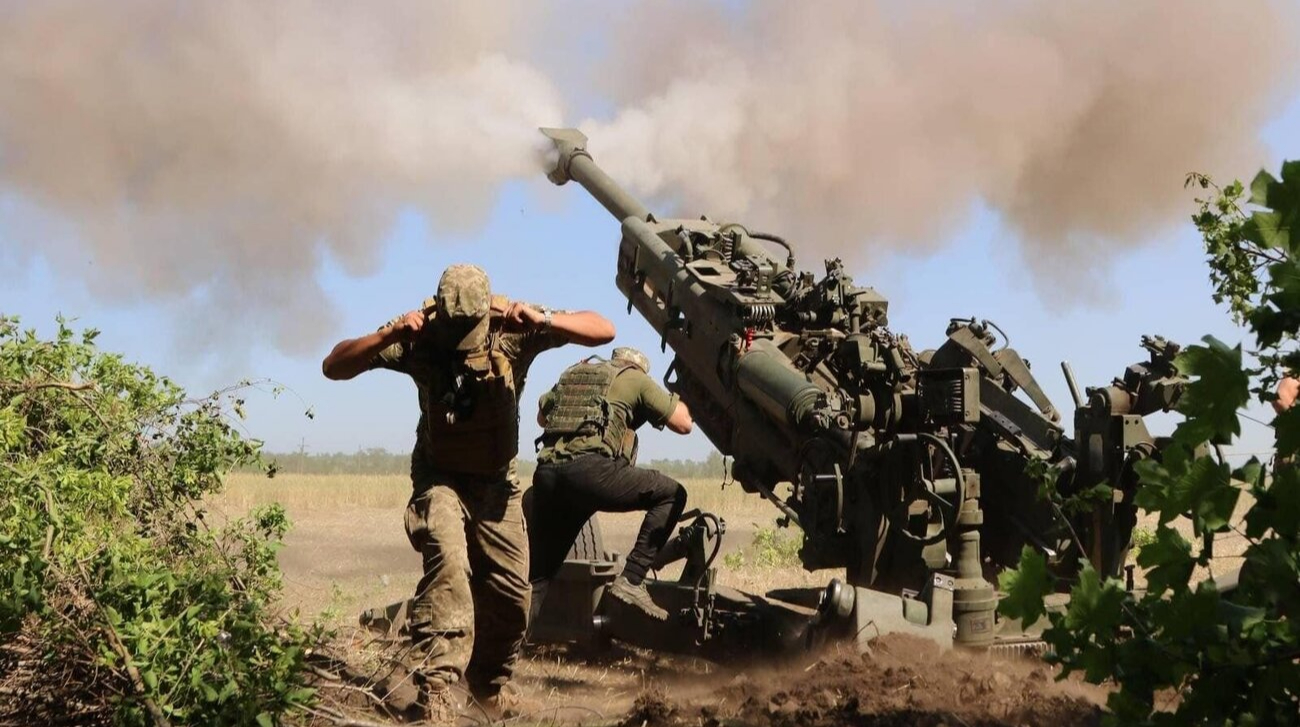
Israeli attacks have killed more than 2,300 people and displaced over 1 million in Lebanon, according to Lebanese authorities.[4] This strike Lebanon has seen intense military activity, with reports detailing significant casualties, damage to infrastructure, and ongoing confrontations in the southern regions.
Key Facts
Israeli attacks have targeted Christian holy sites, resulting in the death of a priest and damage to seven churches along with a Jesus statue.[1] Hezbollah fighters have mounted defenses in key towns such as Bint Jbeil and Khiam, successfully holding off Israeli advances and underscoring the challenges faced by Israeli forces in achieving territorial gains.[2] Despite a ceasefire, an Israeli army operation led to the destruction of a public school in Khiam, where forces rigged the building with explosives before detonating it.[3] The United Nations Security Council has issued a condemnation following an attack on peacekeepers in Lebanon that resulted in one death and three injuries.[5]
These facts highlight the multifaceted nature of the conflict, encompassing military engagements, impacts on civilian and religious infrastructure, and international scrutiny. The targeting of holy sites since October 2023 illustrates the breadth of areas affected, while Hezbollah's resilience in strategic locations points to prolonged resistance.[1][2] The school destruction in Khiam, occurring post-ceasefire, raises questions about compliance with truce agreements, and the UN's response emphasizes the protected status of peacekeeping personnel.[3][5]
Overview of the Conflict
The conflict in Lebanon has involved Israeli strikes since October 2023, contributing to a substantial toll on human life and displacement.[4] Lebanese authorities report that more than 2,300 people have been killed and over 1 million displaced due to these attacks.[4] This overview provides essential context on the scale and duration of the military operations, which have persisted over months and affected wide swathes of the country, particularly in the south.
The strikes Lebanon has endured represent a sustained campaign, with cumulative effects manifesting in high casualty figures and mass population movements.[4] According to official Lebanese tallies, the death toll exceeds 2,300, a number that encapsulates both combatants and civilians caught in the crossfire.[4] Displacement has reached over 1 million, forcing families to flee their homes amid relentless bombardment and ground operations.[4] This level of upheaval underscores the intensity of the Israeli military efforts, which have aimed at various targets but resulted in widespread societal disruption.
Lebanese President comments on potential negotiations with Israel as a means to "save" the country, even as Hezbollah expresses dissent, further framing the conflict's broader political dimensions.[4] The duration since October 2023 marks a prolonged phase of escalation, with strikes contributing to a humanitarian crisis of significant proportions.[4] These figures from Lebanese authorities serve as a baseline for understanding the conflict's impact, highlighting how military actions have translated into tangible losses for the population.[4]
{IMAGE_2}
Attacks on Civilian and Religious Sites
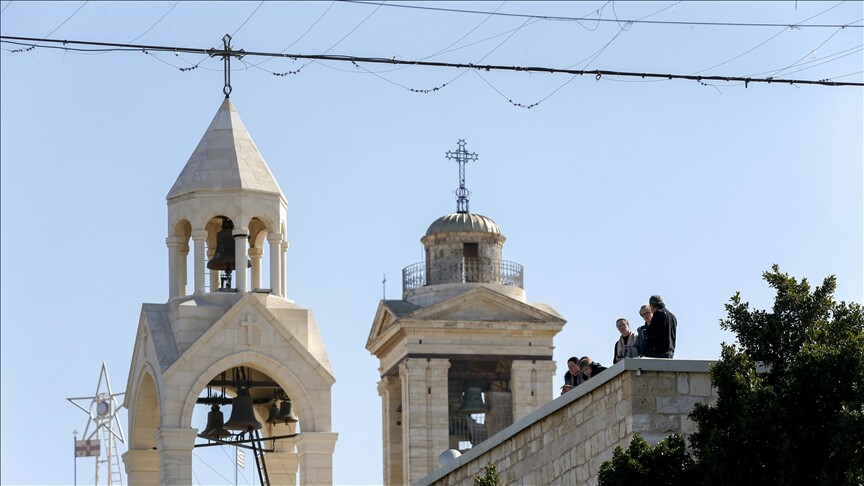
Israeli attacks have struck Christian holy sites in Lebanon, killing a priest and causing damage to seven churches as well as a Jesus statue.[1] These incidents occurred amid Israel's military campaigns that began in October 2023, demonstrating that religious infrastructure was not exempt from the operations.[1] The factbox compiled by Anadolu Agency details how these holy sites, integral to Christian communities, suffered direct hits, with the priest's death adding a particularly tragic element to the assaults.[1]
In addition to religious targets, civilian facilities have also been affected, including a public school in the southern town of Khiam. Despite an ongoing ceasefire, Israeli forces rigged the school building with explosives and detonated it, completely destroying the structure.[3] This action in Khiam exemplifies the continued impact on educational and public assets, even under supposed truces, potentially hindering community recovery efforts.[3]
The damage to seven churches and the Jesus statue points to a pattern where places of worship have been compromised, with the priest's killing highlighting risks to religious leaders.[1] Since October 2023, these attacks on Christian holy sites have been documented, raising concerns about the protection of cultural and spiritual landmarks during conflict.[1] The school's destruction in Khiam, post-ceasefire, illustrates a disregard for civilian infrastructure, as the explosion leveled the building after it was prepared with explosives by Israeli army personnel.[3]
These events collectively depict a scenario where both religious and civilian sites have borne the brunt of military actions, with specific losses like the priest's death and structural damages compounding the conflict's toll.[1][3] The persistence of such incidents into periods of ceasefire, as seen in Khiam, suggests challenges in safeguarding non-combatant areas.[3]
Military Developments and Resistance
Hezbollah has engaged in fierce battles to defend key towns like Bint Jbeil and Khiam against Israeli forces, revealing the constraints on Israeli military progress.[2] For weeks, Israel conducted bombardments and attempted to encircle these southern Lebanese towns, yet neither fell to the invading forces.[2] The endurance of these Hezbollah strongholds, which hold symbolic and strategic importance, has exposed the limits of Israeli firepower in south Lebanon and the defensive advantages provided by the terrain.[2]
Exclusive reporting from the Middle East Eye draws on three sources close to Hezbollah to detail the internal dynamics of these defenses.[2] Bint Jbeil and Khiam, long recognized as redoubts for the group, withstood repeated Israeli efforts to isolate and capture them.[2] This resistance highlights how geographic features bolster defenders, countering the effects of aerial and artillery superiority.[2]
The failure to fully seize these towns despite sustained operations underscores tactical difficulties for Israeli advances.[2] Hezbollah's ability to maintain control in these areas demonstrates strategic resilience, with the towns' survival carrying weight beyond immediate military outcomes.[2] In the context of the strike Lebanon, these developments illustrate a protracted ground contest where firepower alone has not sufficed for territorial dominance.[2]
{IMAGE_3}
Humanitarian Impact
The humanitarian consequences of Israeli attacks in Lebanon are profound, with over 1 million people displaced and more than 2,300 killed, as reported by Lebanese authorities.[4] This mass displacement has upended communities, particularly in southern regions targeted by strikes since October 2023.[4] Families have been forced from their homes, leading to overcrowding in safer areas and straining resources across the country.[4]
The scale of displacement—exceeding 1 million—reflects the pervasive reach of the military operations, compelling a significant portion of the population to seek refuge elsewhere.[4] Coupled with the death toll above 2,300, these figures paint a picture of devastation that extends beyond battlefields to everyday life.[4] Lebanese authorities' assessments emphasize the direct link between the attacks and this humanitarian fallout.[4]
In this environment, discussions of potential Israel-Lebanon talks emerge as a possible pathway forward, with the president suggesting they could "save" the country amid Hezbollah's reservations.[4] The displacement crisis amplifies vulnerabilities, affecting access to essentials like shelter, food, and medical care for those uprooted.[4] The ongoing nature of the strikes Lebanon since late 2023 has perpetuated this impact, with no immediate resolution in sight.[4]
International Response
The United Nations Security Council has condemned an attack on peacekeepers in Lebanon that killed one and injured three.[5] In a statement, the Council asserted that "peacekeepers must never be the target of an attack," underscoring the imperative to protect UN personnel fulfilling their mandate.[5] This condemnation from Anadolu Agency reporting highlights international concern over incidents endangering those monitoring the volatile border region.[5]
The attack's severity—one fatality and three injuries—prompted a unified Security Council response, reinforcing the non-combatant status of peacekeepers.[5] Operating under UNIFIL, these forces play a critical role in maintaining stability amid the conflict's escalations.[5] The statement serves as a formal rebuke, aimed at deterring further aggression against international observers.[5]
This international outcry aligns with broader calls for restraint, particularly as strikes and ground operations continue.[5] The Council's position emphasizes accountability for attacks on protected personnel, potentially influencing future diplomatic efforts.[5]
What to watch next
Ongoing Hezbollah defenses in towns like Bint Jbeil and Khiam may continue to test Israeli advances, while ceasefire compliance remains critical following incidents like the Khiam school destruction.[2][3] Lebanese authorities' casualty and displacement figures could evolve, and UN Security Council monitoring of peacekeeper safety will likely intensify.[4][5] Potential talks between Lebanon and Israel, as referenced by the president, bear watching amid Hezbollah's stance.[4]