
Strike in Lebanon Kills One Amid Ceasefire
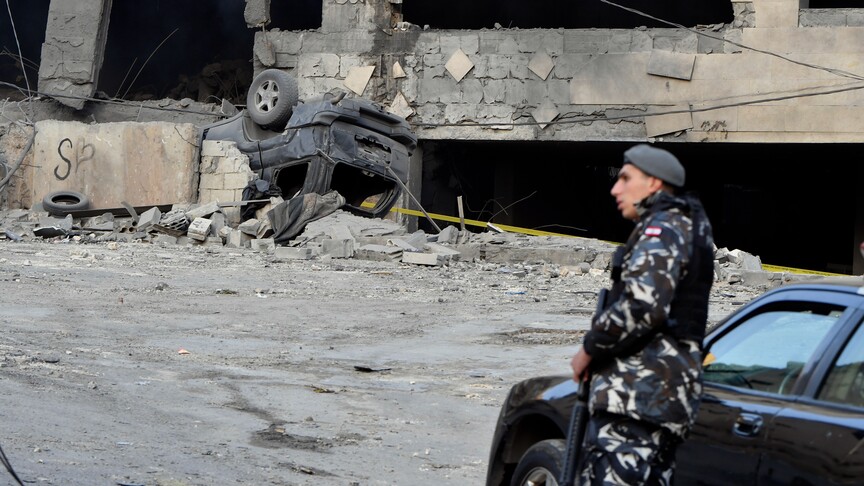
A drone strike in Lebanon’s Bekaa killed one person and wounded two others, despite a 10-day ceasefire between Lebanon and Israel that took effect on Friday.[1] This incident unfolded amid heightened tensions, with both sides accusing each other of breaching the fragile agreement shortly after its implementation.
Ceasefire Background
The ceasefire agreement between Lebanon and Israel, which commenced on Friday, was structured as a 10-day period aimed at de-escalating hostilities in the region.[1] This truce came into effect following intense exchanges between Israeli forces and Hezbollah, the Lebanon-based armed group, setting the stage for potential further diplomatic engagements. Reports indicate that the agreement was mediated with an eye toward upcoming discussions, though specific terms beyond the duration were not detailed in initial coverage.[1] The backdrop of this ceasefire includes longstanding conflicts, particularly involving Hezbollah's activities in southern Lebanon and Israeli operations in response.[2][5] As the agreement took hold, expectations were high for a pause in military actions, yet early signs pointed to challenges in adherence. The 10-day timeframe underscores the temporary nature of the truce, potentially serving as a testing ground for longer-term stability amid US-mediated talks scheduled for later in the week.[2][4][5] Lebanon's Bekaa Valley, the site of the recent drone strike, lies in a strategically sensitive area, often caught in crossfire due to its proximity to conflict zones.[1] Israel's military posture and Hezbollah's rhetoric have historically complicated such agreements, with both parties maintaining readiness during lulls.[4]
Recent Violations and Strikes
Reports of ceasefire violations emerged quickly after the agreement's start, centering on military actions in southern Lebanon and beyond.[2][5] The Israeli military reported that Hezbollah launched rockets toward its troops operating in southern Lebanon, labeling the incident a "blatant violation" of the ceasefire.[2][5] This came on Tuesday, just days into the truce, highlighting the fragility of the arrangement.[2][5] Concurrently, a drone strike in Lebanon’s Bekaa region resulted in one fatality and two injuries, occurring despite the ceasefire's provisions.[1] Anadolu Agency detailed the strike's impact, noting it as a direct contradiction to the truce that began on Friday.[1] These events unfolded ahead of US-mediated talks between Israeli and Lebanese government representatives, adding urgency to the diplomatic calendar.[2][5] The Cyprus Mail reported the Israeli military's accusation that Hezbollah fired rockets at troops in southern Lebanon, with no immediate response from the group at the time of reporting.[5] Such strikes and counter-accusations illustrate a pattern of tit-for-tat actions that have persisted even under ceasefire terms.[1][2] The location in southern Lebanon, a hotspot for Hezbollah operations, underscores the challenges of enforcing boundaries during the 10-day period.[5]
{IMAGE_2}
Hezbollah's Actions and Statements
Hezbollah took direct action by firing rockets and drones into northern Israel, explicitly citing Israeli military violations of the ceasefire as justification.[2] The group, described as Iran-aligned and Lebanon’s armed faction, positioned its response as retaliatory ahead of the week's US-mediated talks.[2] According to the Korea Herald, Hezbollah accused the Israeli military of breaching the agreement, prompting their strikes on Tuesday.[2] This marked a significant escalation claim from Hezbollah's side, contrasting sharply with Israeli narratives.[2][5] While initial reports noted no immediate comment from Hezbollah on Israel's specific rocket accusation, the group's broader stance includes asserting a "right to resist" Israeli forces in southern Lebanon.[5] The firing of rockets and drones targeted northern Israel, indicating a cross-border response to perceived infractions.[2] Hezbollah's statements frame their actions within the context of ongoing Israeli operations, particularly in southern Lebanon, where troops were reportedly active.[2][5] This exchange of fire represents a clear challenge to the ceasefire's integrity, with Hezbollah positioning itself as defender against violations.[2]
The Drone Strike in Lebanon’s Bekaa
The drone strike in Lebanon’s Bekaa stands out as a pivotal incident testing the ceasefire's limits, resulting in one death and two wounds.[1] Anadolu Agency reported the event directly, emphasizing its occurrence despite the 10-day truce that activated on Friday.[1] Bekaa Valley, known for its terrain and occasional militant presence, became the focal point for this aerial operation, raising questions about attribution and intent.[1] The strike's precision via drone underscores modern warfare tactics employed in the region, even under truce conditions.[1] Casualties from this action—one killed and two injured—highlight the human cost of such breaches, occurring in a civilian-impacted area.[1] Linking to broader violations, this strike in Lebanon aligns with reports of rocket exchanges in southern areas, suggesting coordinated or reactive military postures.[1][2][5] The timing, post-Friday ceasefire, amplifies concerns over compliance mechanisms.[1] No specific perpetrator was named in the immediate reporting, but its placement amid mutual accusations points to the tense operational environment.[1]
{IMAGE_3}
Israeli Military Perspective
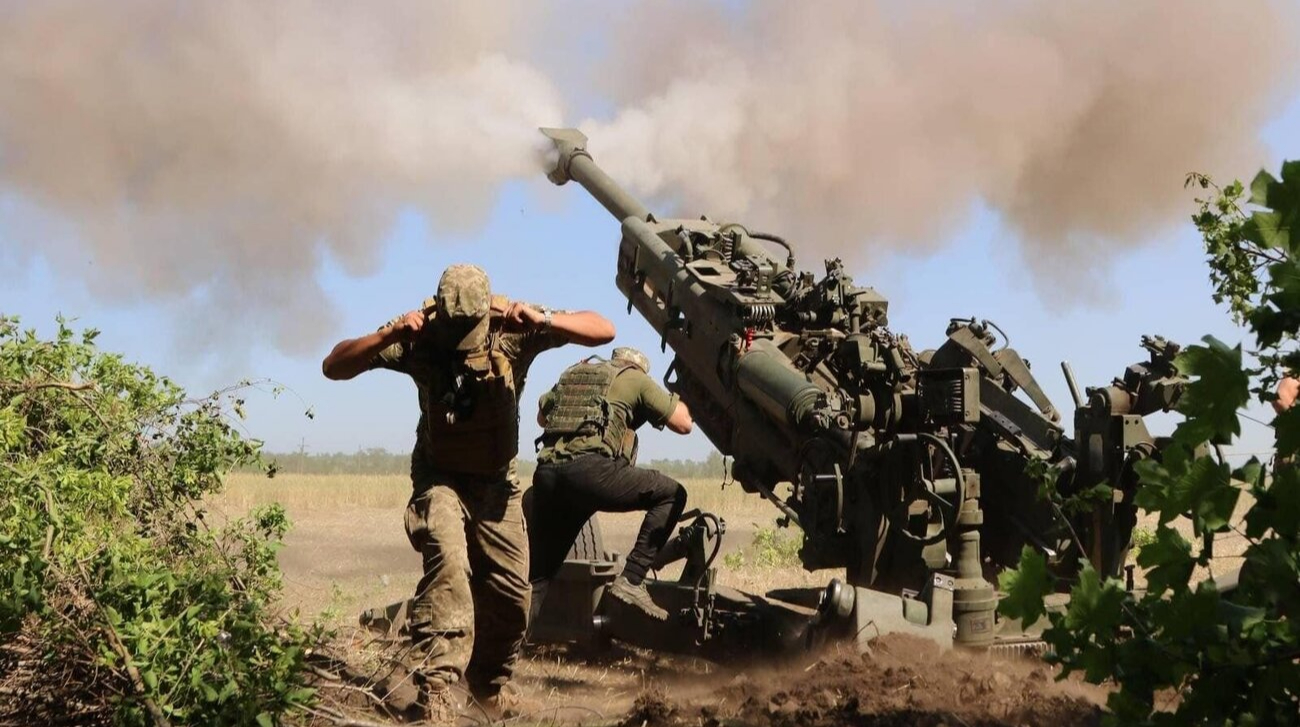
The Israeli military firmly characterized Hezbollah's rocket fire as a "blatant violation" of the ceasefire agreement, responding to launches toward troops in southern Lebanon.[2][5] This stance was articulated in the wake of Tuesday's incidents, with the military noting operations in the area that drew fire.[2][5] Descriptions from both Korea Herald and Cyprus Mail emphasize Israel's view of the actions as unprovoked breaches, especially given the proximity to US-mediated talks.[2][5] Hezbollah, labeled Iran-backed or Iran-aligned, faced direct criticism for targeting troops, which Israel framed as undermining the truce.[2][4][5] The military's operations in southern Lebanon were ongoing, potentially fueling the cycle of accusations.[5] Israel's deployment of advanced weaponry, such as the new self-propelled Ro'em howitzer against Hezbollah targets, signals sustained readiness even amid ceasefire discussions.[4] This perspective underscores Israel's emphasis on security measures in response to perceived threats from the Lebanese group.[2][4][5]
Human and Military Updates
Funerals for Hezbollah members killed in Israeli strikes drew crowds in Lebanon, reflecting the human toll of recent escalations.[3] Xinhua reported people attending these ceremonies, linking the deaths directly to Israeli military actions.[3] This comes alongside Israel's unveiling and deployment of its new self-propelled Ro'em howitzer, targeted at Iran-backed Hezbollah amid the fragile ceasefire.[4] Fox News detailed the artillery's use against Hezbollah positions as talks continue in Washington later this week.[4] The combination of mourning rituals and military advancements paints a picture of dual tracks—grief and preparedness—in Lebanon's landscape.[3][4] Hezbollah members' funerals serve as public displays of solidarity, occurring against the backdrop of the 10-day truce.[3] Meanwhile, Israel's "game-changing" artillery deployment highlights technological edges maintained during diplomatic pauses.[4] These updates coincide with ceasefire violations, intertwining human losses with strategic military developments.[3][4]
Implications for Ceasefire Talks
The spate of violations, including the drone strike and rocket exchanges, casts a shadow over upcoming US-mediated talks between Israel and Lebanon.[2][4][5] Sources consistently note these discussions slated for this week in Washington, positioning them as critical for addressing breaches.[2][4][5] Hezbollah's accusations of Israeli violations and Israel's counter-claims of "blatant" infractions by the group complicate negotiations.[2][5] The 10-day ceasefire's early tests, starting Friday, may inform agendas focused on enforcement and southern Lebanon withdrawals.[1][5] Israel's artillery deployment signals no relaxation in posture, potentially influencing bargaining positions.[4] Hezbollah's responsive strikes into northern Israel further strain the truce's viability.[2]
What to watch next: US-mediated talks between Israel and Lebanon this week could seek to resolve these ceasefire violations, with both sides citing breaches by the other ahead of discussions.[2][4][5]