Strike in Lebanon: Israeli Attacks Kill 14 People Amid Ceasefire
Israeli strikes in southern Lebanon killed 14 people on Sunday, marking a significant violation of the ongoing ceasefire.[4][5] The strikes targeted Hezbollah infrastructure in southern Lebanon and the Bekaa region, as claimed by the Israeli army.[1] These actions occurred despite a U.S.-brokered ceasefire that has been extended until mid-May.[2] Both Israel and Hezbollah have accused each other of truce violations, with Hezbollah continuing attacks on Israeli forces.[2][4] The strikes have triggered mass displacement in southern Lebanon.[3]
Overview of Recent Strikes
The recent Israeli military actions in Lebanon represent a notable escalation amid fragile truce conditions. The Israeli army launched fresh attacks, described as a new ceasefire violation, focusing on Hezbollah infrastructure.[1] These operations extended to both southern Lebanon and the Bekaa region, areas long associated with Hezbollah presence.[1][2] On Sunday, these strikes resulted in significant casualties, with reports confirming 14 deaths, underscoring the intensity of the engagements.[2]
The Israel Defense Forces (IDF) conducted these strikes despite the U.S.-brokered ceasefire agreement, which was extended until mid-May to prevent further hostilities between Israel and Hezbollah.[2] This ceasefire aimed to pause the Israel-Hezbollah war that had intensified prior to its implementation over a week ago.[4] However, the strikes on Sunday highlight ongoing tensions, as both sides have continued limited actions.[2] Lebanon's health ministry reported the strikes as the deadliest incident since the truce took effect, pointing to a pattern of intermittent military activity.[4]
In the broader context, these events follow a series of exchanges where Israel has targeted what it describes as militant infrastructure, while Hezbollah has maintained operations against Israeli positions.[2] The strikes in southern Lebanon and the Bekaa Valley were part of a coordinated effort by the IDF, reflecting Israel's stated policy of addressing perceived threats from Hezbollah even under ceasefire terms.[1][2] This overview captures the immediate sequence: strikes launched on Sunday leading to casualties and renewed scrutiny of the truce's effectiveness.[2]
Casualties and Specific Incidents
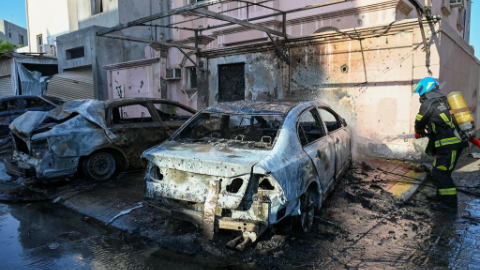
Lebanon's health ministry reported that Israeli strikes on Sunday in the country's south killed 14 people and wounded 37 others, marking the deadliest day since the ceasefire in the Israel-Hezbollah war came into force over a week ago.[4][5] This toll underscores the severity of the incident, with the strikes penetrating areas still recovering from prior conflicts.[5]
The health ministry's figures highlight the human cost, as the attacks struck populated regions beyond the buffer zone previously occupied by Israel.[5] France 24's reporting from Jerusalem detailed how the Israeli military issued warnings for residents to evacuate seven towns in advance of these operations, indicating pre-planned actions that did not fully prevent casualties.[5] The 14 fatalities occurred in a single day of intensified activity, contrasting with the relative lull promised by the ceasefire.[4]
Specific incidents included strikes that prompted immediate medical responses, with 37 injuries adding to the strain on local healthcare facilities.[5] This event stands out as the most lethal since the truce began, raising questions about the ceasefire's ability to curb violence.[4] The ministry's confirmation of the deaths ties directly to the Sunday timeline, aligning with broader reports of Hezbollah-targeted operations.[4][5]
Ceasefire Violations and Accusations
The U.S.-brokered ceasefire, extended until mid-May, has been repeatedly tested by actions from both Israel and Hezbollah.[2] Israel conducted strikes on Sunday that killed 14 people, actions it frames as responses to ongoing threats, while Hezbollah has continued attacking Israeli forces and northern towns.[2][4] This mutual finger-pointing has intensified, with both sides trading fresh accusations of breaching the fragile truce.[4]
Prime Minister Benjamin Netanyahu stated that the military was "vigorously" targeting Hezbollah, signaling Israel's commitment to countering perceived violations.[4] In response, Hezbollah vowed to keep responding to what it calls Israeli "violations," maintaining a cycle of retaliation.[4] These exchanges occur against the backdrop of the ceasefire's extension, which was meant to de-escalate the Israel-Hezbollah war but has failed to fully halt hostilities.[2][5]
Israel accuses Hezbollah of persistent attacks on its forces, while the group points to Israeli incursions as the primary breaches.[2][4] The Sunday strikes, killing 14, exemplify Israel's proactive stance under the truce terms, even as they draw condemnation.[2] Lebanon's health ministry's report of the deadliest day since the ceasefire amplifies these tensions, as both parties interpret the same events through opposing lenses.[4]
Targeted Areas and Military Claims
Israeli army strikes focused on southern Lebanon and the Bekaa region, with the military claiming these targeted Hezbollah infrastructure.[1][3] The IDF specified that operations hit militant sites in the Bekaa Valley and southern areas, areas known for Hezbollah operations.[2] These locations were selected based on intelligence regarding threats, according to army statements.[1]
The strikes triggered mass displacement in southern Lebanon, as residents fled amid the attacks.[3] Israel's claims emphasize precision against infrastructure, positioning the actions as necessary defenses despite the ceasefire.[1][2] The Bekaa Valley, a stronghold for Hezbollah, and southern border regions have been recurrent flashpoints.[1]
Military warnings preceded some strikes, urging evacuations from seven towns beyond the buffer zone, aligning with Israel's objective to minimize civilian exposure while neutralizing targets.[5] The army's narrative frames these as fresh attacks in response to violations, directly linking to Hezbollah sites.[1] This focus on specific regions like southern Lebanon and Bekaa underscores the strategic nature of the operations.[2][3]
Humanitarian Impact
The Israeli strikes in southern Lebanon have triggered mass displacement, forcing residents to leave their homes amid ongoing military activity.[3][5] Lebanon's health ministry reported 14 killed and 37 wounded on Sunday, compounding the humanitarian strain in the region.[4][5] The Israeli military's warnings to evacuate seven towns beyond the buffer zone highlight the immediate risks to civilians, as families sought safety from the strikes.[5]
This displacement echoes patterns from earlier in the conflict, with southern Lebanon bearing the brunt of the violence.[3] The ceasefire's failure to fully halt hostilities has left communities vulnerable, as seen in the Sunday incidents that marked the deadliest day since the truce.[4][5] Reports indicate widespread movement of people, straining local resources and infrastructure.[3]
Civilians in targeted areas faced dual threats: direct strikes and the chaos of evacuation, with 37 injuries adding to the toll.[5] The mass displacement in southern Lebanon serves as a stark reminder of the conflict's lingering effects, even under extended ceasefire terms.[3]
What to watch next: With both Israel and Hezbollah vowing continued responses to perceived violations, and the U.S.-brokered ceasefire extended only until mid-May, further strikes or retaliatory actions could test the truce's limits, especially in southern Lebanon and the Bekaa region.[2][4]