
Strike in Lebanon: Israeli Army Kills 2 Amid Ceasefire Breaches
Ceasefire violations in Lebanon have resulted in deaths and injuries, with Israeli forces killing individuals and Hezbollah responding with strikes. A drone strike in Lebanon’s Bekaa region killed one person and wounded two, despite the ceasefire that took effect on Friday.[2] In a separate strike in Lebanon, the Israeli army killed two people in southern Lebanon, claiming the men approached a forward defense line.[1] Hezbollah has fired rockets and drones into northern Israel, accusing the Israeli military of breaching the ceasefire agreement.[3] People in Lebanon have attended funerals for Hezbollah members killed during Israeli strikes,[4] while Israel has deployed its new Ro'em howitzer artillery against Hezbollah targets amid the fragile ceasefire.[5]
Overview of Recent Ceasefire Violations
The ceasefire agreement between Lebanon and Israel, described as a 10-day truce that took effect on Friday,[2] has faced immediate challenges with reported violations from both sides. These breaches have included lethal strikes and counter-responses, underscoring the fragility of the arrangement as noted in various reports.[5] On one hand, the Israeli army has been linked to fatalities in southern Lebanon, where two people were killed amid claims that the individuals approached a so-called forward defense line maintained by Israeli forces.[1] This incident highlights ongoing tensions in the border area despite the truce.
Concurrently, a drone strike in Lebanon’s Bekaa region resulted in one death and two injuries, occurring even as the ceasefire was in place.[2] Such actions have prompted accusations of non-compliance from multiple parties. Hezbollah, the Lebanon-based armed group aligned with Iran,[3] has pointed to Israeli military actions as violations, leading to their own military responses. Specifically, Hezbollah announced firing rockets and drones into northern Israel on Tuesday, framing this as a reaction to perceived Israeli breaches ahead of scheduled US-mediated talks between the Israeli and Lebanese governments this week.[3]
From the Israeli perspective, the military described Hezbollah's rocket fire toward troops operating in southern Lebanon as a "blatant violation" of the ceasefire.[3] It remains unclear whether the Hezbollah strikes and the Israeli-reported incidents refer to the same events, but the mutual claims illustrate a cycle of retaliation.[3] These developments occur against the backdrop of ceasefire talks set to continue in Washington later this week,[5] emphasizing the precarious nature of the agreement. The violations have not only involved direct military engagements but also deployments of advanced weaponry, as Israel has introduced its new self-propelled Ro'em howitzer targeting Hezbollah positions.[5] Overall, these events paint a picture of a truce under strain, with deaths, injuries, and accusations dominating the immediate post-ceasefire period.[1][2][3]
Key Incidents Involving Strikes and Killings
{IMAGE_2}
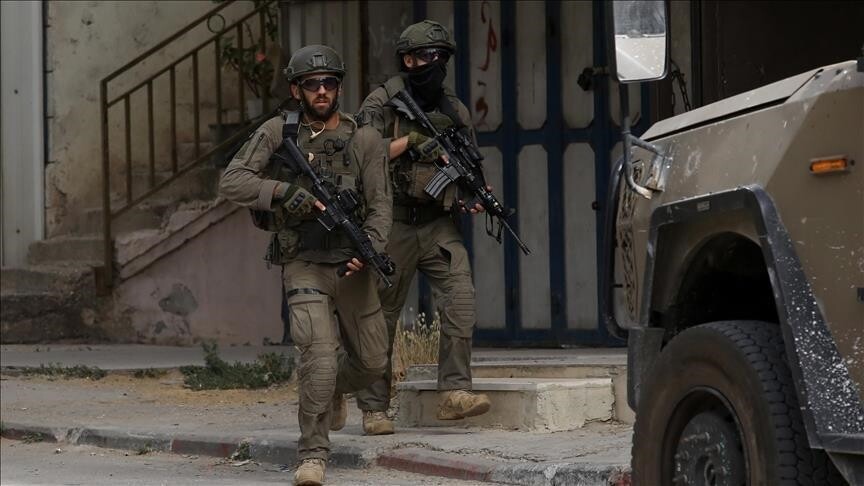
Key incidents of violence have centered on specific strikes in Lebanon, resulting in confirmed deaths and injuries in both southern Lebanon and the Bekaa region.[1][2] In southern Lebanon, the Israeli army reported killing two people amid ceasefire violations.[1] According to the army's statement, the two men approached what it terms the "forward defense line" in the area, prompting the lethal response.[1] This strike in Lebanon occurred in a sensitive border zone where military positions are closely monitored, reflecting the heightened alertness maintained by Israeli forces even after the ceasefire's activation on Friday.[2]
Further complicating the situation, a drone strike targeted the Bekaa region, killing one person and wounding two others.[2] This attack took place despite the 10-day ceasefire between Lebanon and Israel that had taken effect just days prior.[2] The Bekaa Valley, known for its strategic importance, has been a focal point for such operations, and the timing of the strike directly challenges the truce's intended halt to hostilities.[2] These events in southern Lebanon and Bekaa represent direct breaches, with the Israeli action in the south justified by proximity to defense lines[1] and the Bekaa incident standing as an aerial assault amid the fragile pause.[5]
The sequence of these strikes suggests a pattern of engagement that persisted beyond the ceasefire's start. Reports indicate that such violations have led to immediate human casualties, with the two deaths in the south[1] and the one fatality plus injuries in Bekaa[2] totaling at least three killed and several wounded in short order. The Israeli military's emphasis on the forward defense line underscores operational concerns in southern Lebanon,[1] while the drone operation in Bekaa points to continued use of precision strikes.[2] These incidents, drawn from on-the-ground reporting, provide a clear timeline of escalation: post-Friday truce implementation leading into mid-week confrontations.[2] The lack of clarity on exact linkages between these strikes and subsequent responses[3] further complicates accountability, but the factual outcomes—deaths and injuries—remain central to understanding the violations.[1][2]
Hezbollah's Actions and Accusations
Hezbollah has responded to alleged Israeli violations with its own military actions, firing rockets and drones into northern Israel.[3] The group explicitly accused the Israeli military of breaching the ceasefire, stating that their strikes on Tuesday were in retaliation.[3] This response came ahead of US-mediated talks between the Israeli and Lebanese governments scheduled for this week, positioning Hezbollah's actions within a broader diplomatic context.[3]
The Lebanese armed group, described as Iran-aligned,[3] targeted northern Israel with both rockets and drones, marking a direct counter to perceived aggressions.[3] Hezbollah's public statement framed their operation as a necessary measure against ceasefire non-compliance by Israel. In parallel, the Israeli military countered by reporting that Hezbollah had fired several rockets toward its troops in southern Lebanon, labeling it a "blatant violation" of the agreement.[3] This reciprocal narrative of accusations highlights the disputed nature of the incidents, with each side attributing initiation to the other.[3]
The timing of Hezbollah's response on Tuesday aligns with ongoing tensions post-ceasefire, as the truce had only been in effect since Friday.[2] By invoking violations ahead of talks,[3] Hezbollah positioned its strikes as defensive, though Israel viewed them as unprovoked.[3] The use of drones alongside rockets indicates a multifaceted approach in their retaliation.[3] While it is not immediately clear if Hezbollah's northern Israel strikes and the southern Lebanon rocket fire toward Israeli troops were interconnected,[3] the events collectively represent a breakdown in restraint. These actions by Hezbollah, coupled with their accusations, contribute to the cycle of violations documented in the ceasefire's early days.[3]
Human Impact and Funerals
{IMAGE_3}
The human toll of the ceasefire violations has been evident in Lebanon, where people have attended funerals for Hezbollah members killed during Israeli strikes.[4] These gatherings reflect the direct consequences of the ongoing strikes, bringing communities together to mourn those lost in the exchanges.[4] Reports confirm that funerals for Hezbollah members took place following the lethal Israeli actions, underscoring the personal losses amid the military confrontations.[4]
In Lebanon, the attendance at these funerals highlights the broader impact on families and supporters of the armed group.[4] The Hezbollah members in question were killed during Israeli strikes, linking the ceremonies directly to the reported violations such as those in southern Lebanon and the Bekaa region.[1][2][4] Such events serve as a visible reminder of the casualties, with people coming out to pay respects in the wake of the truce's failures.[4] The repetition of strikes leading to these deaths[4] emphasizes how quickly the ceasefire's protective intent eroded, resulting in lives lost that necessitated public funerals.[4]
These funerals occur against the backdrop of mutual military activities,[3] but focus squarely on the Hezbollah fighters targeted by Israel.[4] Community participation in Lebanon for these occasions illustrates the social reverberations of the strikes, as mourners gather to honor those killed.[4] The source reporting on people attending these funerals provides a human-centered view of the violations, complementing the military details with accounts of grief and remembrance.[4] As Israeli strikes continued to claim Hezbollah lives,[4] the funerals became a focal point for processing the immediate aftermath, even as the ceasefire was meant to prevent such outcomes.[2][4]
Military Developments and Ceasefire Context
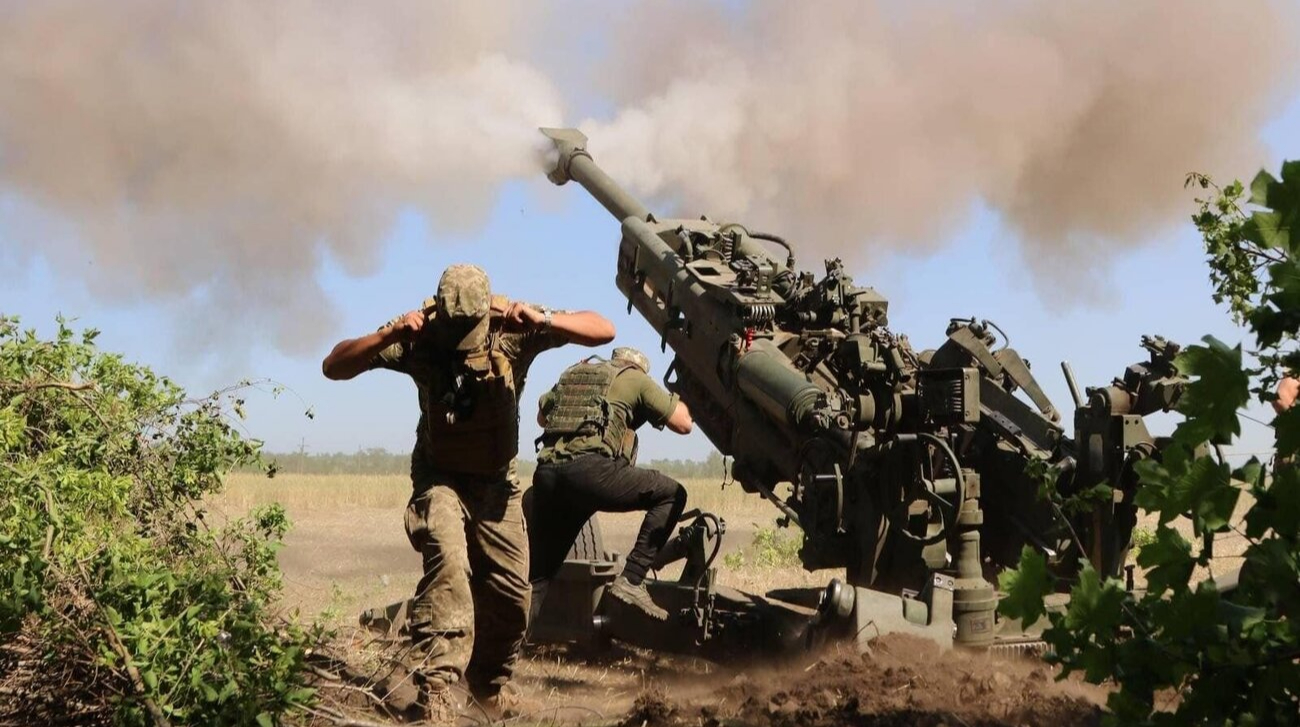
Israel has deployed its new self-propelled Ro'em howitzer artillery against Hezbollah targets amid the fragile ceasefire.[5] Described as game-changing, this artillery system represents a significant military development in the confrontation with Iran-backed Hezbollah.[5] The deployment occurs as ceasefire talks between Israel and Lebanon are slated to continue in Washington later this week,[5] providing context for Israel's strategic positioning.
The Ro'em howitzer's introduction targets Hezbollah positions directly, signaling Israel's intent to maintain pressure despite the truce.[5] This move aligns with the broader context of a ceasefire under strain, where violations have persisted.[1][2] The fragile nature of the agreement[5] is compounded by such deployments, which enhance Israel's artillery capabilities against the Iran-backed group.[5] Ceasefire talks resuming in Washington[5] follow initial US-mediated discussions,[3] aiming to address breaches like those involving strikes and responses.[3]
In this environment, Israel's unveiling of the Ro'em howitzer[5] bolsters its operational readiness in southern Lebanon and beyond.[1] The howitzer's self-propelled design allows for mobile, precise engagements against Hezbollah,[5] fitting into the pattern of advanced weaponry use seen in drone strikes.[2] As talks proceed,[5] the deployment serves as a backdrop to negotiations, reflecting Israel's military posture amid accusations from Hezbollah.[3] The context of ongoing violations[1][2][3] frames these developments, with the ceasefire's 10-day span[2] testing the limits of restraint.[5]
What to Watch Next
With ceasefire talks between Israel and Lebanon set to continue in Washington later this week[5] and US-mediated discussions already influencing accusations of breaches,[3] observers should monitor for further violations or progress in stabilizing the truce. Israel's deployment of the Ro'em howitzer[5] and mutual strikes[1][2][3] indicate potential flashpoints ahead.