
Conflict in Ukraine: Ukrainian Forces Repel 52 Attacks on Pokrovsk Front
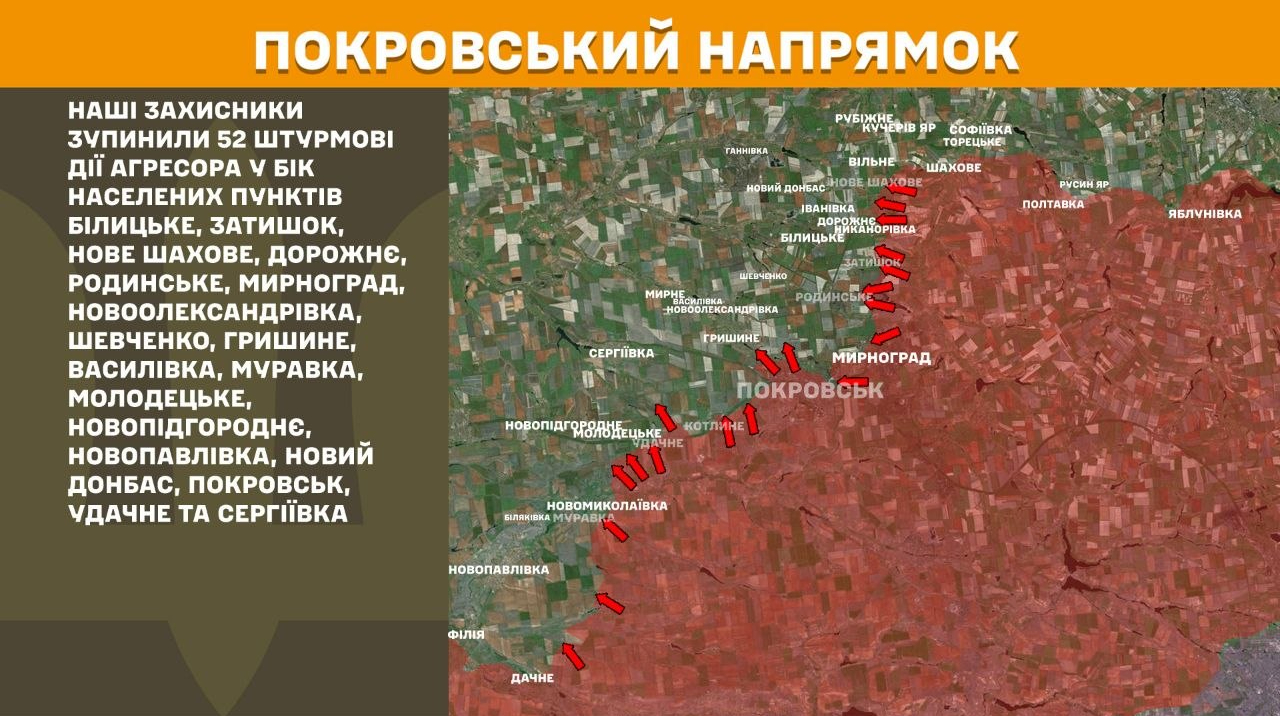
In the ongoing conflict in Ukraine, Ukrainian forces successfully repelled 52 Russian attacks on the Pokrovsk front, contributing to a total of 226 combat clashes across the battlefield over the past day.[1] This intense activity highlights the sustained pressure on key fronts, with Ukraine's General Staff reporting significant Russian losses of 1,180 soldiers killed and wounded in the same period.[2] Additionally, Ukrainian operations are focusing on exploiting vulnerabilities in Russian air defenses to enable deeper strikes into rear areas.[4] These developments underscore the dynamic nature of the engagements, where defensive stands and strategic maneuvers play critical roles.
Overview of Recent Clashes
The past day saw a remarkable total of 226 combat clashes across various fronts in the conflict in Ukraine, according to reports from Ukraine's General Staff.[1] Among these, the Pokrovsk front emerged as a focal point of Russian offensive efforts, with Ukrainian forces repelling 52 distinct attacks in that sector alone.[1] This concentration of activity on the Pokrovsk direction illustrates the intensity of operations in this area, where Russian forces launched repeated assaults that were systematically countered by Ukrainian defenders.[1]
To contextualize these figures, the 52 attacks on Pokrovsk represent a substantial portion—approximately 23%—of the day's total clashes, signaling that this front remains a priority for Russian military planning.[1] Ukraine's General Staff emphasized that these engagements occurred amid broader battlefield dynamics, with clashes distributed across multiple sectors but peaking in areas like Pokrovsk.[1] The high volume of interactions, totaling 226, reflects a pattern of persistent probing and counter-probing, where each clash involves direct combat between opposing forces.[1] This level of activity demands significant resources from both sides, with Ukrainian units holding their positions despite the numerical pressure from repeated Russian initiatives.[1]
Furthermore, the reporting from Ukrainska Pravda captures the immediacy of these events, noting that the repulsions were confirmed through operational updates from the General Staff.[1] Such daily tallies provide a snapshot of the grinding nature of the conflict, where no single front dominates entirely but hotspots like Pokrovsk draw disproportionate attention.[1] The data also aligns with ongoing monitoring efforts that track explosive violence patterns, including in Ukraine, as documented in global reports.[3] These clashes are not isolated incidents but part of a sustained campaign, with each repulsion preserving Ukrainian lines and potentially disrupting Russian momentum.[1]
Russian Military Losses
Ukraine's General Staff has reported that Russian forces suffered 1,180 soldiers killed and wounded over the past day, marking a significant toll amid the 226 combat clashes.[2] This figure, updated directly from official Ukrainian military sources, encompasses casualties across all fronts, including the intense fighting on the Pokrovsk direction where 52 attacks were repelled.[2][1] The losses highlight the cost of Russia's aggressive posture, with the daily total reflecting the human price paid for sustained offensive operations.[2]
Breaking down the implications, these 1,180 casualties occur in the context of repeated assaults, particularly the 52 on Pokrovsk, suggesting that failed attacks contribute heavily to the overall count.[2][1] Ukrainska Pravda's coverage stresses that this data comes straight from the General Staff's assessments, which track enemy personnel reductions through battlefield intelligence and after-action reviews.[2] In a broader sense, such daily losses accumulate over time, straining Russian manpower reserves and logistical chains as they attempt to maintain pressure across 226 clashes.[2]
The reporting underscores a consistent methodology in Ukrainian tallies, focusing on both killed and wounded to capture the full impact on combat effectiveness.[2] This number positions the past day as one of notable attrition for Russian forces, especially when viewed against the defensive successes on key fronts like Pokrovsk.[2][1] Global monitors of explosive violence, including those covering Ukraine, provide a comparative backdrop where such casualty figures align with patterns of high-intensity engagements.[3] Ultimately, these losses represent a quantifiable measure of the challenges Russia faces in achieving breakthroughs amid resolute Ukrainian resistance.[2]
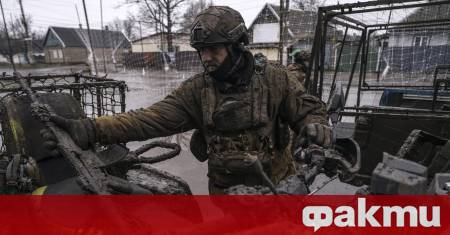
Russian forces lost 1,180 soldiers in the past day. — Source: ukrainskapravda
Ukrainian Defensive and Offensive Actions
Ukrainian forces demonstrated robust defensive capabilities by repelling all 52 Russian attacks on the Pokrovsk front, as part of the 226 total clashes reported over the past day.[1] This success on a critical sector prevented any territorial gains by Russian units, maintaining the integrity of Ukrainian lines under heavy pressure.[1] Beyond defense, Ukraine is actively exploiting gaps in Russian air defense systems to expand deep attacks into rear areas, according to recent analyses.[4]
The Pokrovsk repulsions exemplify coordinated Ukrainian tactics, where infantry, artillery, and possibly drone operations neutralized repeated Russian assaults.[1] With 52 attacks thwarted, these actions not only halted advances but also inflicted casualties, contributing to the reported 1,180 Russian losses.[1][2] Strategically, the focus on air defense vulnerabilities allows Ukrainian strikes to reach beyond forward lines, targeting logistics and command nodes in Russian rear positions.[4] This approach marks a shift toward offensive depth, leveraging identified weaknesses to disrupt enemy sustainment.[4]
Sources indicate that such operations are ongoing, with Ukraine probing and widening these gaps to enable precision strikes far from the front.[4] Combined with defensive stands like those at Pokrovsk, this dual strategy balances holding ground while projecting power rearward.[1][4] The General Staff's updates confirm the effectiveness of these efforts, tying them to the high clash count and enemy attrition.[1][2] In the context of explosive violence monitoring, Ukraine's actions contribute to the documented patterns of intense, technology-enabled combat.[3]
Broader Combat Context
Across the entire battlefield, 226 combat clashes defined the past day's activity in the conflict in Ukraine, with the Pokrovsk front accounting for 52 of them through successful Ukrainian repulsions.[1] Russian forces incurred 1,180 casualties killed and wounded, per Ukraine's General Staff, amid these widespread engagements.[2] Ukrainian operations are also advancing by exploiting Russian air defense gaps for deeper rear strikes, adding an offensive dimension to the defensive narrative.[4]
This consolidated view reveals a multifaceted battlefield where defensive victories on fronts like Pokrovsk coexist with strategic offensives elsewhere.[1][4] The total of 226 clashes distributes pressure across sectors, but hotspots like Pokrovsk draw the bulk of Russian efforts, resulting in high casualties.[1][2] Global explosive violence reports contextualize Ukraine within patterns of prolonged conflict involving heavy ordnance use.[3] The interplay of these elements—repulsions, losses, and air operations—paints a picture of attrition warfare, where Ukraine's General Staff tracks daily progress meticulously.[1][2]
The data from multiple sources converges on a theme of Russian overextension met by Ukrainian resilience and innovation.[1][2][4] Rear-area attacks via air defense exploits could alter logistics dynamics, complementing frontline holds.[4] Overall, the day's events reflect sustained intensity without decisive shifts, setting the stage for continued monitoring.[1][2][4]
{IMAGE_3}
Key Battlefield Statistics
Central to the reporting are the precise figures from Ukraine's General Staff: 226 total combat clashes, including 52 repelled attacks on the Pokrovsk front.[1] These numbers provide a granular view of operational tempo, with Pokrovsk's share underscoring its status as a linchpin in current fighting.[1] Russian losses of 1,180 soldiers further quantify the day's impact, linking directly to the volume of failed assaults.[2]
Analyzing the statistics, the ratio of Pokrovsk clashes to total (52 out of 226) highlights resource allocation, where roughly one in four engagements targeted this front.[1] Such density suggests coordinated Russian pushes met by layered Ukrainian defenses.[1] The casualty figure integrates across all clashes, implying cumulative effects from each repulsion.[2] Air defense exploitation adds a quantitative edge, enabling strikes that amplify attrition without proportional frontline exposure.[4]
These stats, drawn from reliable General Staff updates, enable authoritative assessment of trends.[1][2] In explosive violence contexts, they align with Ukraine's profile of high-engagement days.[3] Repeated citation of these metrics reinforces their role as benchmarks for evaluating progress.
Strategic Developments in Air Operations
A notable evolution involves Ukraine's targeted exploitation of gaps in Russian air defense, facilitating expanded deep attacks into rear areas.[4] This tactic complements the 52 Pokrovsk repulsions and contributes to the broader 226 clashes by pressuring Russian sustainment from afar.[1][4] Such operations represent a strategic multiplier, allowing Ukrainian forces to impose costs beyond immediate battle zones.[4]
The identified vulnerabilities enable precision engagements against rear infrastructure, potentially disrupting supply flows to fronts like Pokrovsk.[4] Tied to the day's 1,180 Russian losses, these strikes likely compound infantry attrition from failed assaults.[2][4] General Staff reporting on clashes provides the frontline context, while air initiatives offer asymmetric leverage.[1][4]
In the wider conflict landscape, this approach signals adaptive Ukrainian warfare, balancing defense with offensive reach.[4] Monitoring reports on explosive violence capture the role of air-delivered ordnance in such patterns.[3] These developments position air operations as a key vector for future escalations.
What to watch next: Continued monitoring of the Pokrovsk front for additional Russian attacks amid the 226-clash daily average, alongside potential intensification of Ukrainian deep strikes exploiting air defense gaps.[1][4]