
Strike in Lebanon: Israel Accuses Hezbollah of Firing Rockets During Ceasefire
Israel accuses Hezbollah of firing rockets in southern Lebanon, violating the ceasefire amid ongoing tensions. This strike in Lebanon, reported alongside Israel's military response, underscores the fragility of the truce as both sides trade claims of breaches ahead of scheduled talks.[2][3][4]
Ceasefire Overview
The ceasefire between Israel and Hezbollah, which came into effect on Friday, has faced immediate challenges from reported military actions on both sides.[4] Israeli officials have pointed to rocket fire from Hezbollah as a direct violation, occurring just days into the agreement, while their own operations continue in southern Lebanon.[2][3] This fragile truce follows more than six weeks of intense fighting, during which Hezbollah suffered significant losses, including 44 fighters now being honored in mass funerals.[4] The agreement aimed to halt hostilities, yet accusations of non-compliance have emerged rapidly, with Israel highlighting Hezbollah's actions against its troops as undermining the pause.[1][2] Reports indicate that the ceasefire's enforcement remains uncertain, as both parties maintain positions that justify defensive or responsive measures.[3][4] Hezbollah has asserted its right to resist Israeli forces in the region, a stance that predates the current truce and complicates de-escalation efforts.[2] Meanwhile, the deployment of advanced Israeli artillery signals preparedness for potential escalation, even as diplomatic channels open.[1] These developments illustrate the ceasefire's tenuous status, where small-scale incidents risk broader confrontation, drawing international attention to mediation efforts.[1][4]
Israel's Recent Actions
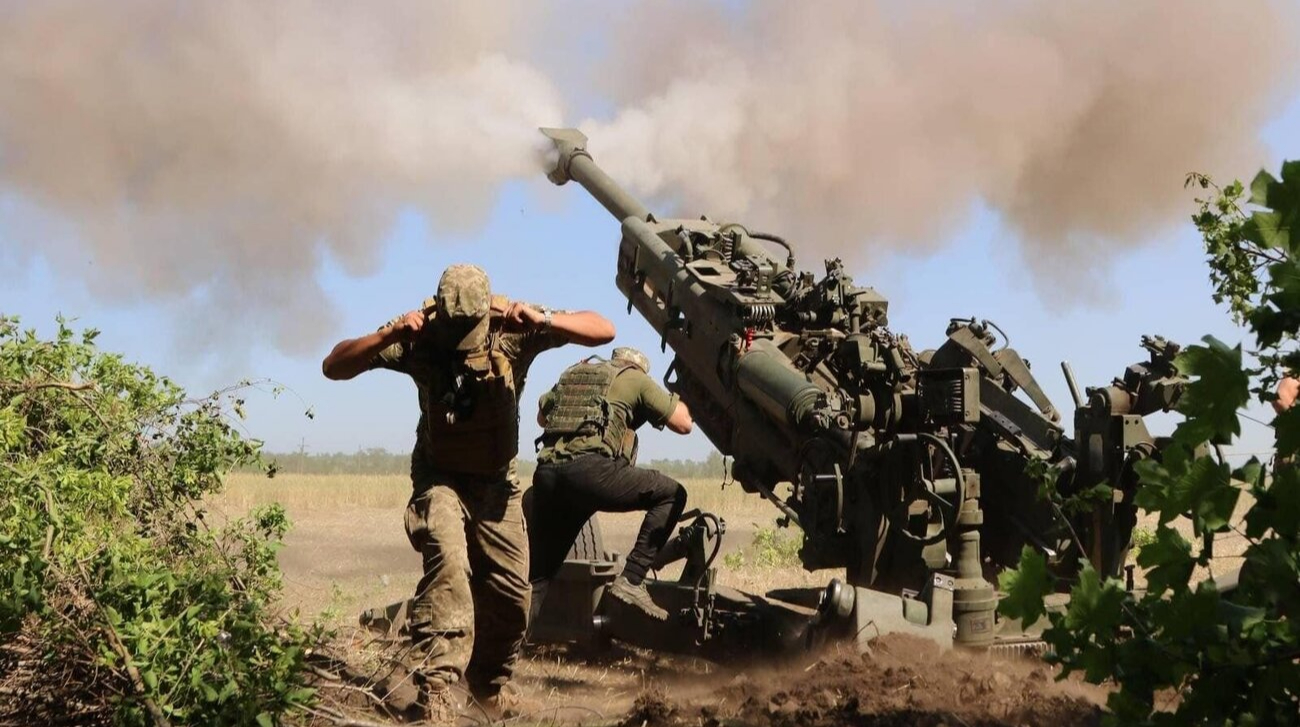
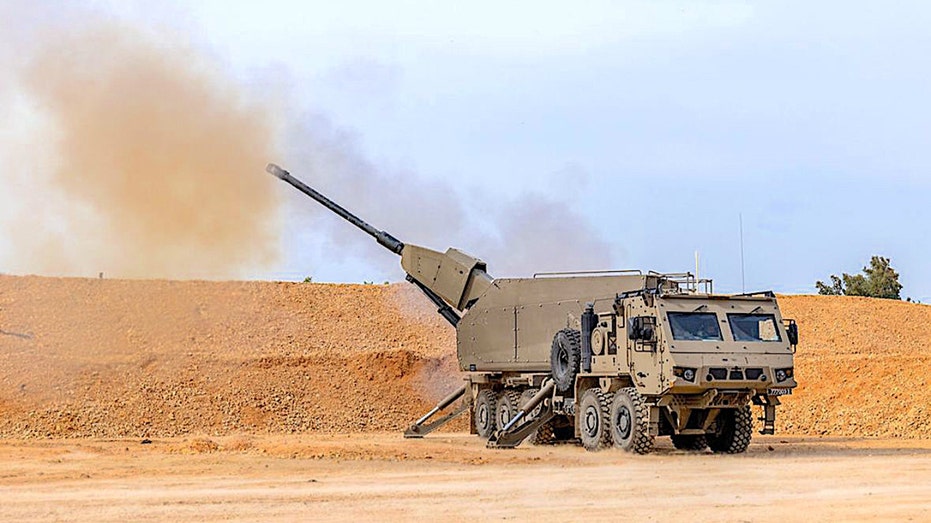
Israel has taken concrete military steps amid the ceasefire, including the deployment of its new self-propelled Ro'em howitzer specifically against Hezbollah targets.[1] This "game-changing" artillery system represents a significant upgrade in Israel's capabilities against the Iran-backed group, unveiled as talks loom.[1] In a notable escalation, Israel conducted an airstrike in the Wadi Houjeir valley in southern Lebanon on Tuesday, as reported by local outlet L’Orient-Le Jour, despite the truce's recent implementation.[4] This strike in Lebanon targeted areas associated with Hezbollah activity, aligning with broader operations to counter perceived threats.[4] The Israeli military has framed these actions as necessary responses to violations, particularly rocket fire directed at its troops.[2][3] Such deployments and strikes demonstrate Israel's commitment to maintaining operational superiority in the region, even under ceasefire constraints.[1] The timing of the howitzer's introduction, coinciding with ceasefire tensions, suggests a strategic posture that balances restraint with readiness.[1][4] These moves occur against a backdrop of ongoing presence in southern Lebanon, where Israeli forces face what they describe as hostile actions from Hezbollah.[2]
Hezbollah's Reported Activities
Hezbollah has been accused by Israel of firing rockets at Israeli troops in southern Lebanon on Tuesday, an action labeled as a ceasefire violation.[2][3] No immediate comment came from the group on these specific allegations, though it has consistently maintained its "right to resist" Israeli forces occupying parts of southern Lebanon.[2] Amid these tensions, Hezbollah is conducting mass funerals for 44 fighters killed during over six weeks of conflict prior to the truce.[4] These ceremonies highlight the human cost of the recent fighting and serve as a public display of resilience and mourning within the group's supporter base.[4] The rocket fire, if confirmed as attributed, would represent a direct challenge to the ceasefire's terms, occurring ahead of mediated discussions.[3] Hezbollah's broader narrative of resistance frames its activities as defensive against Israeli incursions, potentially justifying such responses in their view.[2] The lack of an immediate denial on the rocket accusations leaves room for interpretation, while the funerals underscore the group's ongoing mobilization and commitment to its cause.[4] These reported activities contribute to the cycle of tension, where each side's actions prompt reactions from the other.[2][4]
Accusations of Violations
Mutual claims of ceasefire breaches have intensified, with Israel directly accusing Hezbollah of violating the truce through rocket fire at its troops in southern Lebanon on Tuesday.[2][3][4] The Israeli military has emphasized this incident as a clear infraction ahead of upcoming talks, portraying it as an unprovoked attack during a period meant for de-escalation.[3] On the other side, Hezbollah and Lebanese reports highlight Israel's airstrike in the Wadi Houjeir valley on the same day as a breach, conducted despite the Friday truce.[4] A top Lebanese official's warning accompanies these claims, pointing to continued Israeli operations as provocative.[4] Hezbollah's position—that it retains the right to resist occupation—implicitly counters Israeli narratives by framing any actions as legitimate self-defense.[2] Israel, in turn, views Hezbollah's rocket launches as aggressive violations that necessitate responsive measures, including the recent artillery deployment.[1][2] These dueling accusations create a standoff, where each party cites the other's moves to justify its own, eroding trust in the ceasefire.[3][4] The rapid sequence of events—rockets followed by airstrikes—exemplifies the hair-trigger dynamics, with no independent verification detailed in reports.[2][4]
Upcoming Developments
Ceasefire talks between Israel and Lebanon are slated to continue in Washington later this week, mediated by the United States.[1][2][3] These discussions come at a critical juncture, following the Tuesday incidents of rocket fire and the airstrike, which both sides have decried as violations.[3] Israel's deployment of the Ro'em howitzer against Hezbollah targets precedes these negotiations, signaling leverage in potential bargaining.[1] U.S.-mediated efforts aim to solidify the fragile truce, addressing accusations and establishing clearer enforcement mechanisms.[2] Hezbollah's silence on the rocket claims, coupled with its resistance rhetoric, may influence Lebanese positions at the table.[2] Meanwhile, ongoing funerals for fallen fighters keep domestic pressures high on Hezbollah, potentially hardening stances.[4] The Washington meetings represent a diplomatic off-ramp, yet the proximity to recent military actions raises questions about their viability.[1][3] Reports frame these talks as essential for preventing wider escalation, building on the Friday ceasefire's foundation.[4]
What to watch next: Eyes will be on the U.S.-mediated talks in Washington this week, where Israel and Lebanon aim to address ceasefire violations like the reported rocket fire and airstrike, amid Israel's new artillery deployment.[1][2][3]