
Strike in Lebanon: IDF Targets Ready-to-Fire Hezbollah Launcher
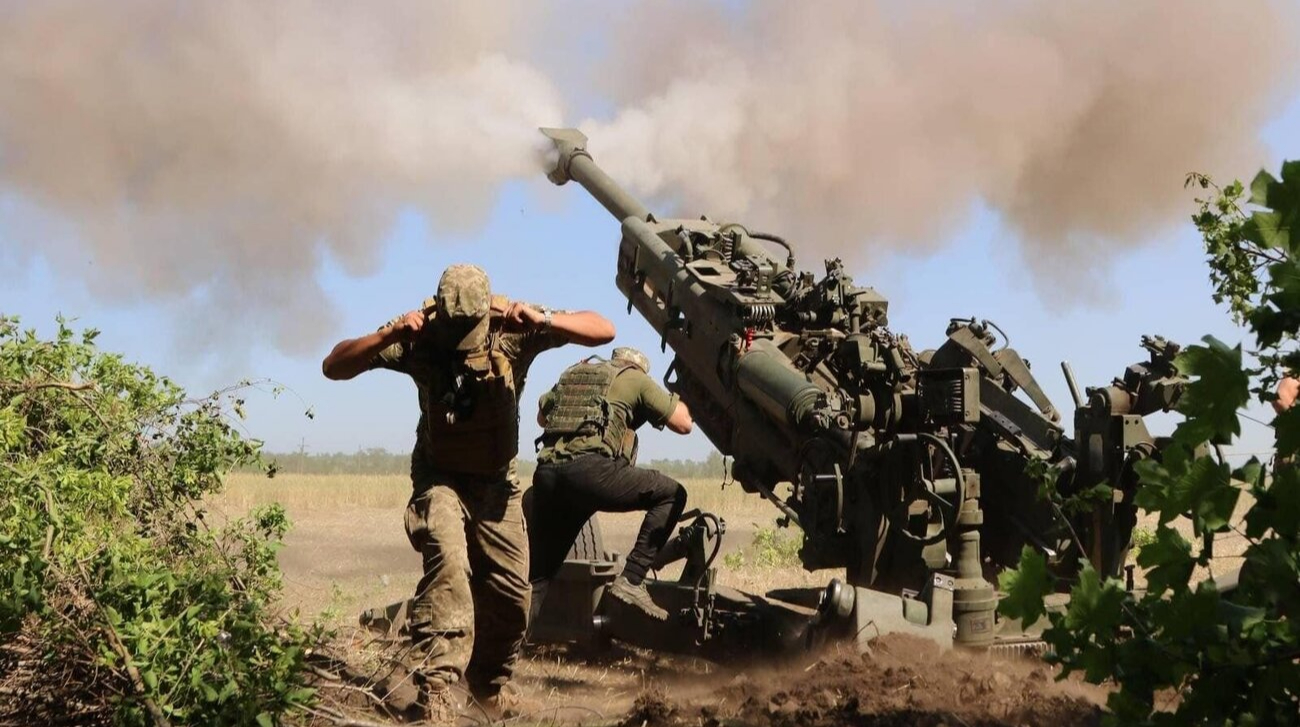
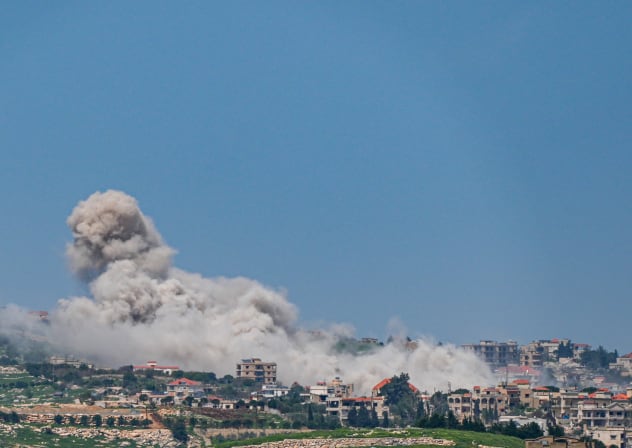
In a recent strike in Lebanon, the Israel Defense Forces (IDF) targeted a ready-to-fire Hezbollah launcher in southern Lebanon, as captured in footage released by the military.[1] This action comes amid heightened tensions in the region, where a fragile truce holds but faces ongoing challenges from both sides, including infrastructure damage and territorial maneuvers.
IDF Strike on Hezbollah Launcher
The IDF conducted a precision strike on a Hezbollah launcher positioned in southern Lebanon that was ready to fire, according to video footage shared by Israeli military sources.[1] This operation underscores Israel's ongoing efforts to neutralize immediate threats from Hezbollah positions along the volatile border area. The launcher, described as primed for launch, represented a direct risk to Israeli security, prompting the rapid response to dismantle it before it could be activated.[1] Such strikes highlight the persistent nature of cross-border confrontations, even as diplomatic efforts aim to stabilize the area. The footage provides visual confirmation of the IDF's capabilities in targeting militant infrastructure deep within Lebanese territory, a tactic that has been employed repeatedly in recent engagements.[1] Analysts note that these operations are part of a broader strategy to degrade Hezbollah's rocket arsenal, which has been a focal point of the conflict. The timing of this strike in Lebanon aligns with reports of continued military activity, despite calls for restraint under the current truce framework.[1]
International Response to UNIFIL Attack
Cyprus has issued a strong condemnation of the attack on UNIFIL peacekeepers in southern Lebanon, describing it as a grave threat to international peace and security.[2] The Cypriot foreign ministry emphasized that attacks against United Nations personnel are unacceptable, highlighting the incident's potential to undermine global stability.[2] In a statement posted on X, the ministry explicitly stated, "Cyprus strongly condemns the attack against Unifil peacekeepers in southern Lebanon," pointing to the broader implications for peacekeeping missions in conflict zones.[2] This response from Cyprus, a nation with historical ties to the region and proximity to Lebanon, reflects growing international concern over the safety of UN forces deployed to monitor the fragile ceasefire. The condemnation arrives at a critical juncture, as UNIFIL's role in southern Lebanon involves patrolling and reporting on activities that could escalate hostilities. Cyprus's position adds to a chorus of diplomatic pressure, urging all parties to protect neutral observers and adhere to international norms.[2] The ministry's wording—"pose a grave threat to international peace and security"—signals a firm stance against any actions that jeopardize multinational efforts to maintain order.[2]
Restoration of Damaged Infrastructure in Lebanon
Lebanon's military has taken significant steps to restore vital infrastructure in the south, announcing the reopening of a key road and the Qasmiyeh bridge, both destroyed by Israeli strikes.[3] This development in Beirut's efforts marks a crucial advancement for civilians reliant on these lifelines for movement and access to essential services.[3] The Qasmiyeh bridge and connecting road, linking southern areas to the rest of the country, were rendered impassable following the strikes, isolating communities and hampering recovery operations.[3] By reopening them on Sunday, Lebanese authorities have signaled resilience amid adversity, providing a measure of normalcy despite the surrounding conflict.[3] This restoration occurs against the backdrop of a fragile 10-day truce, which has been tested by persistent military actions on both sides.[3] The move not only aids daily life but also facilitates the delivery of humanitarian aid and economic activity in the war-torn south. Lebanon's military emphasized the importance of these routes, underscoring their role as arteries for the population.[3] Such initiatives demonstrate the government's commitment to rebuilding, even as external pressures continue to challenge stability.
Escalation and Ongoing Israeli Actions
The conflict in southern Lebanon escalated on March 2, triggering an Israeli offensive that has reshaped the border dynamics.[3] Israel has since extended its demolitions and is mapping out a buffer zone inside Lebanese territory, pushing operations deeper into the area.[3] These actions, including controlled explosions to clear potential militant hideouts, are occurring even as a 10-day truce remains in effect, raising questions about its durability.[3] The Israeli push for a buffer zone aims to create a security perimeter free of Hezbollah presence, a measure justified by ongoing threats from the group's infrastructure.[3] This escalation follows the March 2 intensification, where initial exchanges led to broader military engagements.[3] Lebanon's response, including the infrastructure reopenings, contrasts with Israel's territorial extensions, illustrating the asymmetric nature of the post-truce phase.[3] The mapping of the buffer zone involves detailed reconnaissance and demolition work, intended to prevent future launches like the one recently targeted by the IDF.[1][3] Continued Israeli occupation and demolitions are undermining the truce's fragile foundations, as noted in reports from the ground.[3]
Impact of the Conflict
The Israeli offensive prompted by the March 2 escalation has inflicted significant damage across southern Lebanon, including the destruction of key infrastructure like roads and bridges.[3] Casualties have mounted, with the offensive killing more than an unspecified number, though exact figures underscore the human toll of the prolonged hostilities.[3] The fragile truce has not halted all activities, as Israeli demolitions and buffer zone mapping persist inside Lebanese territory, altering the landscape and displacing communities.[3] Civilian life remains disrupted, with restored routes like the Qasmiyeh bridge offering partial relief but not addressing the full extent of devastation.[3] Hezbollah's ready-to-fire launchers, such as the one struck by the IDF, represent the kind of threats fueling this cycle, perpetuating a state of heightened alert.[1][3] The conflict's progression has strained Lebanon's resources, with military-led restorations highlighting the urgency of recovery efforts.[3] International observers, including UNIFIL, face direct risks, as evidenced by the condemned attack on peacekeepers.[2][3] Broader territorial changes, driven by Israel's deeper incursions, could have lasting implications for border security and regional stability.[3]
What to watch next
Monitor the durability of the 10-day truce as Israeli demolitions and buffer zone mapping continue inside Lebanon, alongside any further responses to Hezbollah threats or attacks on UNIFIL peacekeepers.[2][3]