
Strike in Lebanon: Hundreds of Hezbollah Terrorists Killed Before Ceasefire
In a significant revelation from the Israel Defense Forces (IDF), hundreds of Hezbollah terrorists were killed in the 24 hours leading up to the Israel-Lebanon ceasefire, underscoring the intensity of the strike Lebanon operations in the final phase of hostilities.[2] This disclosure comes amid reports of destruction in southern Lebanese villages, attacks on UN peacekeepers, and the tragic loss of French soldiers, highlighting the volatile security situation along the border.
Overview of Recent Events
The recent events in Lebanon encapsulate a series of military actions, ambushes, and a subsequent ceasefire that marked a temporary halt to escalating tensions. Central to these developments was the IDF's reporting of substantial Hezbollah casualties in the immediate prelude to the ceasefire agreement between Israel and Lebanon.[2] This period saw intensified strikes targeting Hezbollah positions, contributing to the high number of terrorist deaths disclosed by the IDF. Concurrently, incidents involving UN forces, including ambushes attributed to Hezbollah, added layers of complexity to the regional dynamics. These events unfolded against the backdrop of ongoing border skirmishes, with the ceasefire arriving after a particularly lethal 24-hour span for Hezbollah operatives.[2] The IDF's revelation provides a quantitative measure of the strike Lebanon's impact, emphasizing the precision and scale of operations conducted just before diplomatic efforts took hold. Such disclosures are typical in post-conflict assessments, offering insight into the military balance achieved prior to de-escalation. The overlap of these incidents—ranging from airstrikes and ground operations to attacks on international peacekeepers—illustrates the multifaceted nature of the conflict in southern Lebanon during this critical window.
Casualties from the Strikes
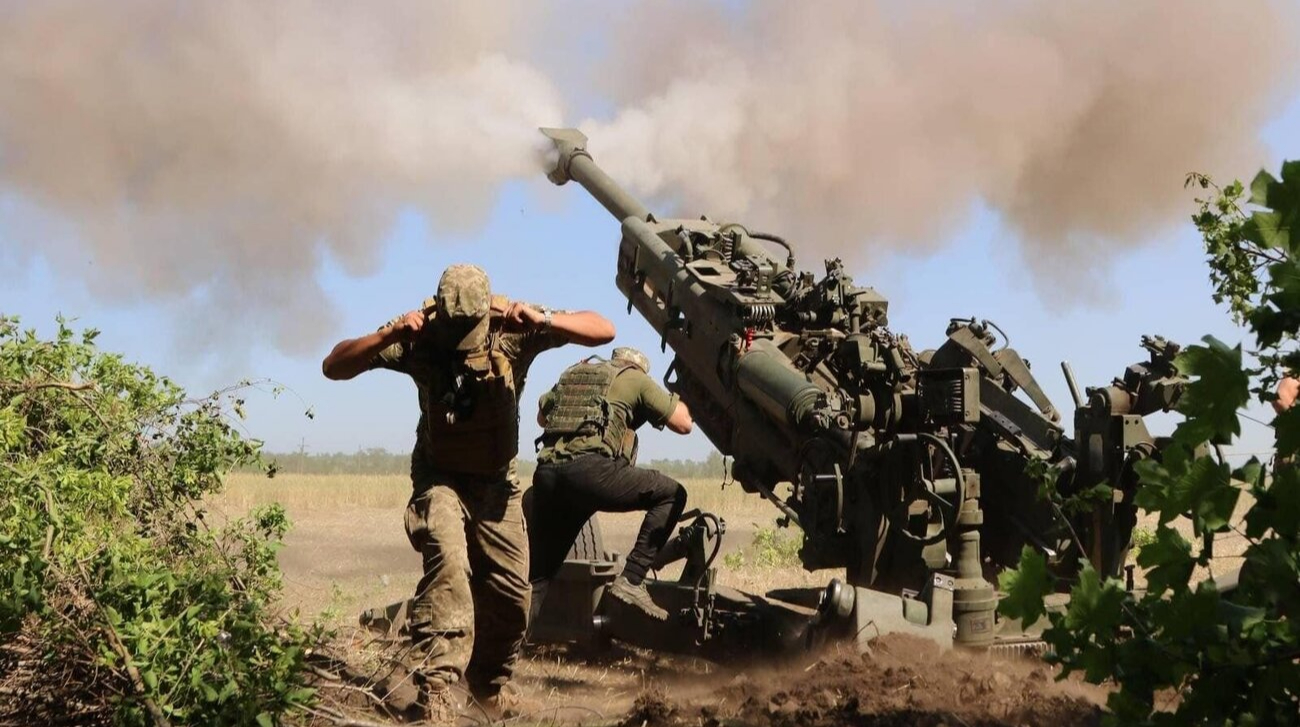
The IDF has detailed a heavy toll on Hezbollah terrorists, with hundreds killed within the 24 hours preceding the Israel-Lebanon ceasefire.[2] This figure, revealed post-ceasefire, reflects the culmination of targeted strikes aimed at degrading Hezbollah's operational capacity along the border. The precision of these operations underscores the IDF's focus on neutralizing threats in the final hours of active engagement, preventing potential violations or escalations.[2] Analysts note that such casualty reports are derived from intelligence assessments, including surveillance and post-strike evaluations, which track militant movements and confirmations of deaths. The timing is particularly noteworthy, as it positions these losses as a direct precursor to the ceasefire, potentially influencing negotiations by demonstrating Israel's military resolve. Hezbollah, designated as a terrorist organization by multiple nations, faced significant attrition in this period, with the IDF's announcement serving to quantify the effectiveness of the strike Lebanon campaign.[2] This level of casualties in a compressed timeframe highlights the intensity of aerial and artillery barrages, which likely targeted command structures, weapon caches, and fighter concentrations in southern Lebanon. The revelation also aligns with broader patterns of attrition warfare in the region, where pre-ceasefire surges aim to secure advantageous positions for any future contingencies.
Attacks on UN Peacekeepers
Tragic incidents involving French soldiers serving with UN peacekeepers in Lebanon have drawn international attention, with two deaths reported from a single ambush. A French soldier died from wounds sustained in an attack on UN forces, followed by a second French peacekeeper who succumbed to injuries from the same incident.[3][4] President Emmanuel Macron attributed the ambush to Iran-backed Hezbollah, stating explicitly that the attack targeted United Nations peacekeepers last week.[3] The first victim, staff sergeant Florian Montorio, was shot dead during the Saturday ambush, for which Hezbollah has denied responsibility.[4] This second death occurred on Wednesday, amplifying the gravity of the event and prompting statements from French leadership.[3][4] The UN peacekeeping mission, known as UNIFIL, operates in southern Lebanon to monitor ceasefire agreements and maintain stability, making such attacks a direct challenge to international efforts.[3] Macron's remarks frame the incident as deliberate action by Hezbollah, linking it to broader Iranian influence in the region.[3] Reports from France 24 highlight the sequence: an initial attack leaving soldiers wounded, followed by the fatalities, with on-the-ground coverage from UNIFIL spokesperson Tilak Pokharel providing further context.[3] The ambush's attribution to Hezbollah, despite denials, underscores tensions between militant groups and multinational forces patrolling the area.[4] These events not only represent a loss for the French contingent but also raise questions about the safety of UN operations amid ongoing hostilities.
Destruction in Southern Lebanon
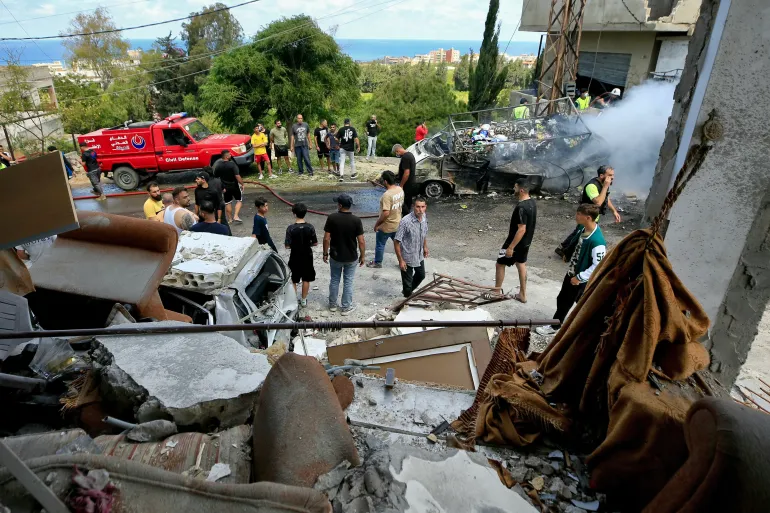
Significant structural damage has been reported in the village of Beit Lif, located near Lebanon's southern border.[1] Houses in this area were destroyed, indicative of the impact from military strikes in the vicinity.[1] Beit Lif's proximity to the border places it within the zone of active conflict, where operations against Hezbollah positions often result in collateral effects on civilian infrastructure.[1] The repetition of destruction reports from Xinhua emphasizes the scale, with multiple instances of houses being leveled in this specific locale.[1] Such damage is consistent with patterns observed in border villages during escalations, where precision strikes on militant targets can affect surrounding buildings. The village's location near the demarcation line makes it a focal point for cross-border activities, contributing to the vulnerability of local structures.[1] While specific causes are tied to the broader strike Lebanon context, the visible destruction serves as a tangible marker of the conflict's reach into populated areas. Reconstruction efforts in such zones typically follow ceasefires, but the immediate aftermath leaves communities grappling with loss of shelter and displacement.
Context of the Ceasefire
The Israel-Lebanon ceasefire emerged in the immediate aftermath of a 24-hour period marked by hundreds of Hezbollah terrorist deaths, as per IDF revelations.[2] This timing suggests that the strikes played a pivotal role in shaping the conditions for the truce, with Israel's military actions achieving substantial degradation of enemy forces.[2] The ceasefire represents a diplomatic pause following intense exchanges, with the IDF's casualty figures providing a benchmark for the pre-truce military situation.[2] Historically, such agreements in the region often follow periods of heightened violence, aiming to prevent wider escalation while allowing both sides to regroup. The disclosure of these losses post-ceasefire allows for transparent assessment of operational outcomes, reinforcing narratives of deterrence.[2] In the strike Lebanon framework, the final 24 hours stand out for their lethality, potentially pressuring Hezbollah and Lebanese authorities toward compliance with ceasefire terms. This context also intersects with parallel incidents, such as the UN peacekeeper attacks, illustrating the fragile environment in which the truce was forged.[2]
What to watch next includes monitoring UNIFIL's response to the peacekeeper ambushes, potential investigations into Hezbollah's role as stated