
Strike in Lebanon: Hezbollah Fires Rockets at Israel Violating Ceasefire
In the latest strike in Lebanon, Hezbollah fired rockets and drones into northern Israel, accusing the Israeli military of violating a ceasefire agreement.[1] The Israeli military described the rocket fire as a blatant violation of the ceasefire, with the incident occurring ahead of US-mediated talks between Israel and Lebanon.[1][4][5] Meanwhile, people in Lebanon are attending funerals for Hezbollah members killed in Israeli strikes, as Israel deploys new artillery such as the Ro'em howitzer against Hezbollah targets amid the fragile ceasefire.[2][3]
Recent Hezbollah Actions in Southern Lebanon
Hezbollah's reported firing of rockets represents a significant escalation in the volatile border region between Lebanon and Israel. According to reports, the Lebanese armed group launched rockets and drones targeting northern Israel on Tuesday.[1] This action came in direct response to what Hezbollah described as violations by the Israeli military of the existing ceasefire agreement.[1] The strikes were aimed at Israeli positions, underscoring the group's ongoing military posture despite the truce.
The context of these actions is rooted in southern Lebanon, where Israeli troops have been operating.[4][5] Hezbollah's move highlights its capability to project force across the border, utilizing both rockets and drones in a coordinated manner.[1] Such tactics have been part of Hezbollah's arsenal in previous confrontations, allowing for rapid strikes that challenge Israeli defenses in the northern regions. The timing of this incident, just prior to diplomatic engagements, adds layers of complexity to the security dynamics in the area.
Israeli accounts confirm that Hezbollah fired rockets toward troops stationed in southern Lebanon.[4][5] This mutual reporting illustrates the contested nature of the frontier, where both sides maintain active military presences. Hezbollah's decision to engage in this manner signals a readiness to retaliate against perceived incursions, potentially testing the limits of the ceasefire framework. The lack of immediate clarity on whether separate barrages were linked further complicates the narrative, as initial reports suggested overlapping claims from both parties.[1]
In detailing these actions, it becomes evident that southern Lebanon remains a flashpoint. Hezbollah's operations here are not isolated but part of a broader pattern of resistance against Israeli activities in the region.[4] The group's statements emphasize a right to counter any ceasefire breaches, framing their rocket fire as defensive.[1] This perspective contrasts sharply with Israeli views, setting the stage for heightened tensions. The deployment of drones alongside rockets indicates an evolution in Hezbollah's tactics, enhancing precision and reach into Israeli territory.[1]
Ceasefire Violations and Accusations
The exchange of accusations over ceasefire violations has intensified following Hezbollah's rocket fire. Hezbollah explicitly cited Israeli military actions as breaches of the agreement, prompting their retaliatory strikes with rockets and drones into northern Israel.[1] In response, the Israeli military labeled Hezbollah's actions a "blatant violation" of the ceasefire, noting that rockets were fired toward troops in southern Lebanon.[1][4][5]
This back-and-forth exemplifies the fragility of the truce, with both sides pointing fingers at the other for initiating hostilities. Israel's description of the incident as blatant underscores their position that Hezbollah's fire was unprovoked and contrary to the terms agreed upon.[1] Hezbollah, aligned with Iran, has maintained a stance of resistance against Israeli forces it views as occupying southern Lebanon.[4] Although there was no immediate comment from Hezbollah in some reports, their prior statements affirm a right to respond to violations.[4]
The mutual accusations reveal deep mistrust embedded in the ceasefire. Israeli reports consistently highlight Hezbollah's rocket launches as the primary transgression, occurring amid ongoing operations in southern Lebanon.[5] This narrative positions Israel as defending its personnel against aggression. Conversely, Hezbollah's claims frame their response as justified retaliation, accusing Israel of prior violations that necessitated action.[1] Such rhetoric perpetuates a cycle where each incident fuels further claims, eroding confidence in the agreement.
Analyzing the sequence, the Israeli military's earlier statements preceded Hezbollah's announcement, suggesting a rapid escalation.[1][4] The absence of definitive confirmation on linked incidents leaves room for interpretation, but the consensus across reports is that rocket fire crossed the border in both directions—or at least was perceived as such by each side.[1][5] This dynamic threatens the ceasefire's stability, particularly as it coincides with diplomatic windows. The accusations not only justify military moves but also serve to rally domestic support on both sides, complicating de-escalation efforts.
{IMAGE_2}
Funerals for Hezbollah Members
Public responses in Lebanon have been marked by somber gatherings as people attend funerals for Hezbollah members killed during Israeli strikes.[2] These ceremonies reflect the human cost of the ongoing conflict, drawing mourners to honor those lost in exchanges along the border.
The funerals underscore the toll on Hezbollah fighters, with reports detailing attendance by people across Lebanon.[2] Such events serve as focal points for communal grief and solidarity, highlighting the group's role in Lebanese society amid the hostilities. The casualties stem from Israeli strikes targeting Hezbollah positions, linking directly to the broader cycle of violence that the ceasefire aims to halt.
In the context of recent escalations, these funerals amplify the emotional stakes. Families and supporters gather to pay respects, often in large processions that symbolize resilience against Israeli operations.[2] The timing, parallel to rocket exchanges, intensifies the narrative of sacrifice for resistance. Lebanese media coverage emphasizes the strikes' impact, framing the deaths as part of a larger struggle.
These public memorials also carry implications for Hezbollah's recruitment and morale. By publicly commemorating fallen members, the group reinforces its commitment to confronting Israel, even under ceasefire constraints.[2] The attendance by ordinary citizens illustrates widespread sympathy or alignment with Hezbollah's cause in parts of Lebanon. As the conflict persists, such events become rallying points, potentially influencing public opinion and pressuring leaders toward firmer stances.
Israeli Military Deployments and Responses
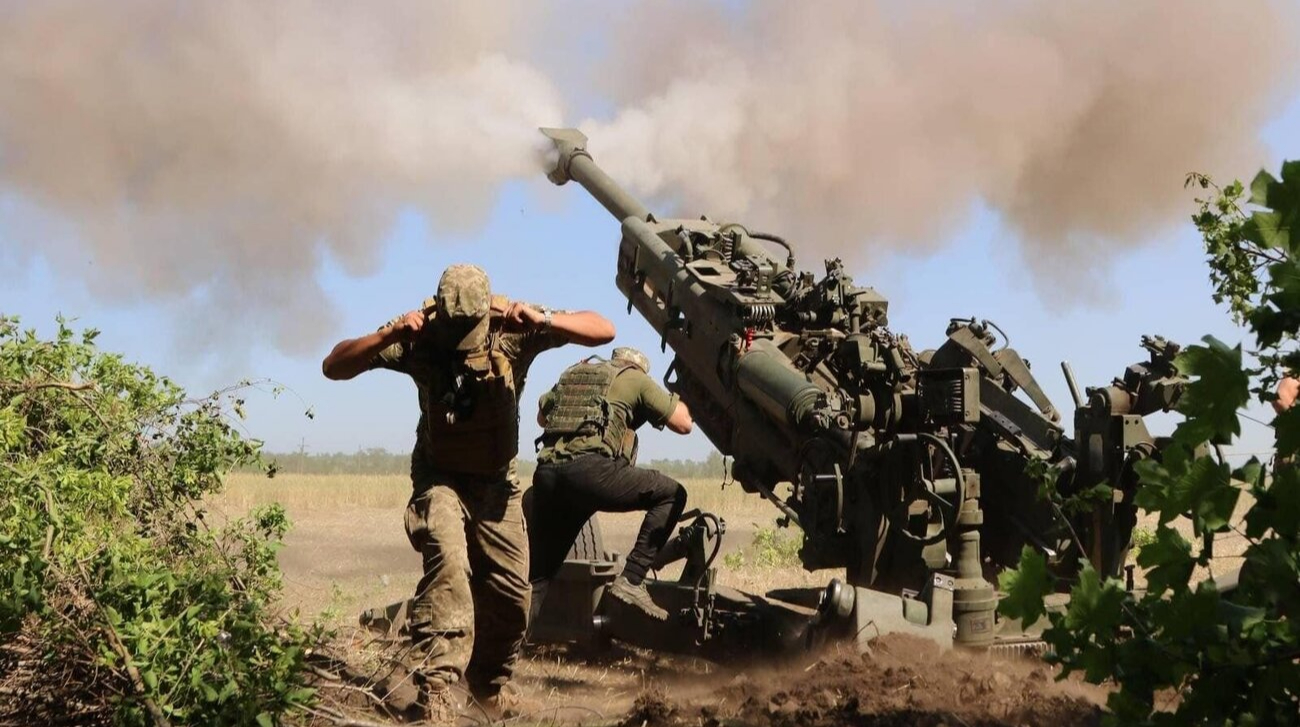
Israel has bolstered its capabilities with the deployment of new artillery systems against Hezbollah targets, amid the fragile ceasefire.[3] The introduction of the self-propelled Ro'em howitzer marks a significant enhancement in firepower, designed to counter Iran-backed Hezbollah effectively.[3]
This game-changing artillery is being utilized in operations targeting Hezbollah positions, demonstrating Israel's proactive stance in maintaining deterrence.[3] The Ro'em howitzer's mobility and precision allow for rapid response to threats like rocket fire from southern Lebanon.[3] Deploying such advanced weaponry signals Israel's intent to neutralize Hezbollah capabilities without full-scale escalation, even as the truce holds tenuously.
The context of these deployments ties into the ceasefire's challenges, where violations prompt measured but firm responses.[3] Israel's unveiling of the Ro'em amid ongoing tensions with Hezbollah illustrates a strategy of technological superiority. This artillery can engage targets at extended ranges, crucial for addressing drone and rocket threats from across the border.[3]
Furthermore, the deployments occur as ceasefire talks continue, suggesting Israel is preparing for potential breakdowns.[3] The focus on Hezbollah targets in southern Lebanon aligns with reports of rocket interceptions and counterstrikes.[3] By integrating new systems like the Ro'em, Israel aims to shift the balance, reducing vulnerabilities to Hezbollah's asymmetric warfare.
{IMAGE_3}
Upcoming US-Mediated Talks
The rocket fire unfolds ahead of US-mediated talks between Israel and Lebanon scheduled for this week.[1][4][5] These negotiations in Washington represent a critical juncture for reinforcing the ceasefire amid mutual violations.[3]
The talks aim to address ongoing issues, including border security and troop movements in southern Lebanon.[1] With accusations flying from both sides, the timing heightens urgency, as stakeholders seek to prevent wider conflict.[4][5] Hezbollah's actions and Israel's responses frame the discussions, potentially influencing outcomes on enforcement mechanisms.
US involvement underscores international interest in stabilizing the region, with talks slated to continue later this week.[3] Reports indicate focus on ceasefire compliance, given recent incidents like the rocket barrages.[1][5] Lebanon's government, alongside Israel, will navigate Hezbollah's role, which claims resistance rights.[4]
These diplomatic efforts come against a backdrop of fragile truce, where deployments and funerals highlight unresolved tensions.[1][3] Success could solidify the agreement; failure might embolden further violations.
Strike in Lebanon: Broader Implications
The strike in Lebanon encapsulates the precarious balance along the Israel-Lebanon border, where Hezbollah's rocket and drone launches intersect with Israeli countermeasures.[1][4] This event not only tests the ceasefire but also previews challenges for regional stability, as both parties leverage military actions to bolster negotiating positions.[5]
Detailed examination reveals patterns: Hezbollah's citations of breaches mirror Israel's "blatant violation" claims, creating a standoff.[1] The integration of new Israeli artillery like the Ro'em responds to these threats, enhancing defensive postures.[3] Public funerals in Lebanon add a human dimension, sustaining narratives of resistance.[2]
Implications extend to the talks, where US mediation must reconcile these discrepancies.[1][4] The incident's proximity to negotiations amplifies stakes, potentially leading to stricter monitoring or concessions on southern Lebanon operations.
What to watch next: US-mediated talks between Israel and Lebanon this week could address these ceasefire violations, with ongoing deployments and Hezbollah responses likely to influence outcomes.[1][3][4][5]