
Strike in Lebanon: French Soldier Killed in UNIFIL Attack
A French soldier serving with UNIFIL was killed in a strike in Lebanon, specifically in southern Lebanon, amid heightened tensions in the region.[1][2] President Emmanuel Macron blamed the attack on Hezbollah, which has denied any involvement.[1] The incident occurred just days after Israel and Lebanon announced a 10-day ceasefire,[2] prompting UNIFIL to launch an investigation into the attack carried out by 'non-state actors,' which resulted in one soldier killed and three others wounded.[5] Macron condemned the attack during calls with Lebanese President Joseph Aoun and Prime Minister Nawaf Salam.[3]
The Attack Incident
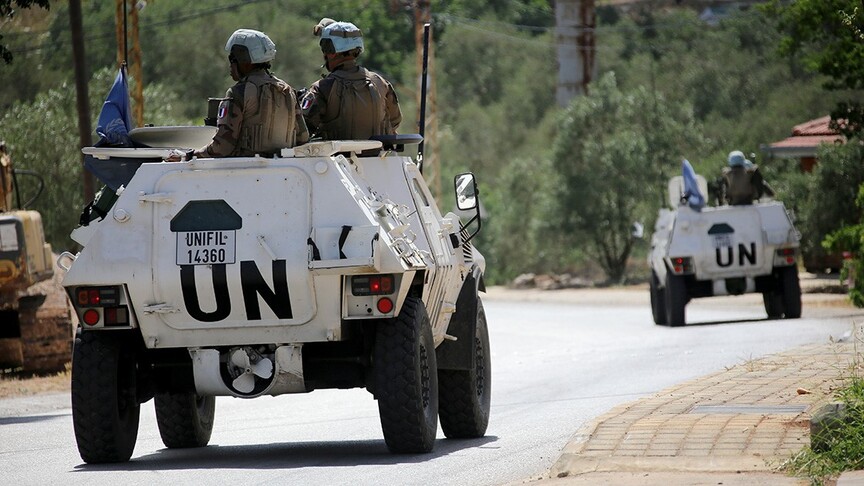
The strike in Lebanon targeted UN peacekeepers in southern Lebanon, resulting in the death of a French soldier.[1][2][5] This incident unfolded in Ghanduriyah village, where UNIFIL forces came under fire from what has been described as 'non-state actors.'[5] The attack highlights the precarious security environment for international peacekeeping operations in the area, where multinational forces like UNIFIL operate to maintain stability along the volatile border regions.[4] Reports indicate that the peacekeepers were engaged in routine duties when they were suddenly fired upon, leading to immediate casualties.[5] The timing of this event, coming shortly after a fragile ceasefire agreement between Israel and Lebanon, underscores the challenges in enforcing de-escalation amid ongoing cross-border hostilities.[2] Eyewitness accounts and initial reports from the scene describe a direct assault on the UN mission, emphasizing the targeted nature of the violence against personnel dedicated to peacekeeping efforts.[3] Such incidents are not isolated but reflect broader patterns of instability in southern Lebanon, where armed groups have frequently clashed with state and international forces.[1] The French soldier's death marks a somber reminder of the risks faced by troops deployed under the UN banner, particularly in zones marked by entrenched militia presence and intermittent violence.[2]
Victim and UNIFIL Involvement
A French soldier, serving with the United Nations Interim Force in Lebanon (UNIFIL), was killed during the attack on Saturday 18 in southern Lebanon.[4] UNIFIL, the longstanding peacekeeping mission established to monitor the ceasefire between Israel and Lebanon following their 2006 conflict, plays a critical role in stabilizing the region.[4] The force comprises troops from multiple nations, including significant French contributions, tasked with patrolling the Blue Line—the de facto border—and preventing hostilities.[4] UNIFIL deputy spokesperson Tilak Pokharel provided insights into the incident during an appearance on FRANCE 24, shedding light on the circumstances and the limited information available about the perpetrators at the time.[4] The victim's service with UNIFIL places the event within the framework of international efforts to maintain peace, where soldiers are exposed to threats from various non-state elements operating in the area.[4] This particular loss adds to the toll borne by UNIFIL personnel, who have faced numerous attacks over the years while fulfilling their mandate to support the Lebanese Armed Forces and ensure compliance with UN Security Council resolutions.[4] The French soldier's death not only affects his comrades but also reverberates through the multinational contingent, prompting reflections on operational safety protocols in high-risk zones.[4]
Official Responses
French President Emmanuel Macron swiftly attributed responsibility for the attack to Hezbollah, the Iran-backed militant group, during public statements.[1] Hezbollah, in response, denied "any connection" to the incident, rejecting the accusations outright.[1] Macron further condemned the "unacceptable attack" in separate phone calls with Lebanese President Joseph Aoun and Prime Minister Nawaf Salam, signaling France's firm stance against violence targeting peacekeepers.[3] These diplomatic engagements underscore France's deep involvement in Lebanese affairs, given its historical ties and troop contributions to UNIFIL.[3] The presidential outreach to Lebanese leadership highlights coordinated efforts to address the attack at the highest levels, potentially paving the way for joint condemnations or investigative cooperation.[3] Macron's blame on Hezbollah aligns with longstanding Western concerns over the group's activities in southern Lebanon, where it maintains a strong military presence despite disarmament calls under UN resolutions.[1] The denial from Hezbollah adds a layer of contention, as the group has previously been implicated in similar border incidents, though it consistently refutes such claims.[1] These official responses reflect a broader international push for accountability, with France leveraging its influence to demand clarity on the perpetrators.[3]
Context of the Ceasefire
The attack occurred just days after Israel and Lebanon announced a 10-day ceasefire, casting a shadow over the tentative de-escalation efforts.[2] This short-term truce was intended to reduce hostilities along the shared border, a flashpoint exacerbated by exchanges of fire involving Hezbollah and Israeli forces in recent months.[2] The ceasefire's fragility is evident in this swift return to violence, particularly against neutral UN elements, suggesting that underlying tensions persist despite formal agreements.[2] UNIFIL's presence has long been central to such ceasefires, monitoring compliance and reporting violations to the UN Security Council.[2] The timing of the strike in Lebanon raises questions about the effectiveness of the 10-day pause, as it failed to prevent aggression toward international peacekeepers operating in the vicinity.[2] Lebanon's announcement of the ceasefire alongside Israel represented a diplomatic breakthrough amid protracted conflict, yet events like this incident illustrate the challenges in translating agreements into sustained calm.[2] The involvement of a French soldier amplifies the international dimension, drawing attention to how regional dynamics impact global peacekeeping commitments.[2]
Investigation and Aftermath
UNIFIL has launched a probe into the attack by 'non-state actors' in southern Lebanon, aiming to identify those responsible and understand the circumstances.[5] The assault in Ghanduriyah village left one soldier killed and three others wounded, with the peacekeepers coming under direct fire during their operations.[5] This investigation is crucial for determining accountability and preventing future incidents, as UNIFIL gathers evidence from the scene, witness statements, and forensic analysis.[5] The classification of the attackers as 'non-state actors' points to militias or armed groups outside formal state control, a common threat in the region.[5] In the immediate aftermath, medical evacuations were prioritized for the wounded, while security measures around UN positions were likely heightened.[5] The probe's findings could influence future UNIFIL deployments and diplomatic responses, particularly if links to specific groups are established.[5] Amid the ceasefire context, this event may prompt reviews of the truce's enforcement mechanisms.[5]
What to watch next: UNIFIL's investigation into the 'non-state actors' responsible could reveal more about the attack's origins, while responses from Hezbollah and Lebanese officials may shape the fragile 10-day ceasefire's trajectory.[5][1][2]