
Strike in Lebanon: Drone Attack Kills One Despite Ceasefire
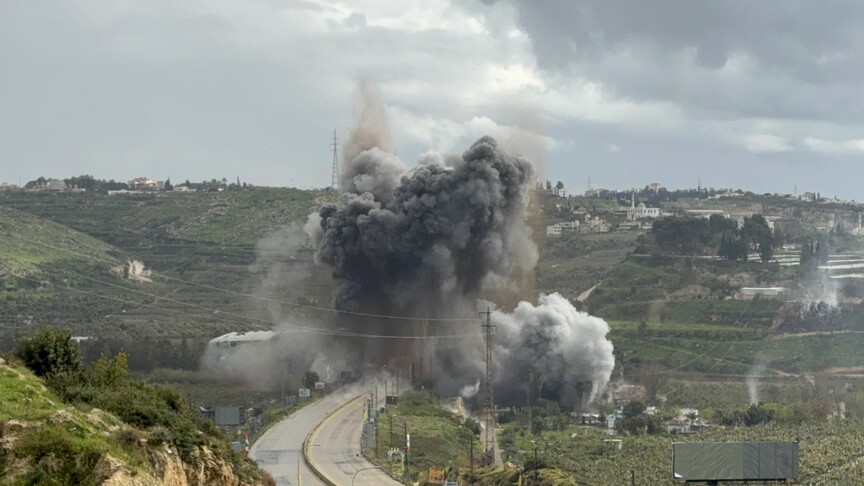
A drone strike in Lebanon’s Bekaa region killed one person and wounded two others, marking a significant strike Lebanon incident despite a 10-day ceasefire that took effect on Friday.[5] This event unfolded amid reports of multiple ceasefire violations, including drone launches and ground encounters, as tensions persist between Hezbollah and Israeli forces ahead of scheduled talks between Lebanon and Israel.[3][5]
Overview of Recent Strikes and Ceasefire Violations
The recent drone strike in Lebanon’s Bekaa region stands out as a direct challenge to the ceasefire agreement, which began on Friday and was intended to last 10 days between Lebanon and Israel.[5] This incident resulted in one fatality and two injuries, highlighting the fragility of the truce in a region long marked by cross-border hostilities.[5] Reports indicate that ceasefire violations have been mounting, with actions on both sides contributing to an atmosphere of ongoing conflict.[3] Specifically, one person was killed in an Israeli drone strike in eastern Lebanon, further underscoring the pattern of aerial operations defying the ceasefire terms.[3] These events occur against the backdrop of preparations for rare direct talks between Lebanon and Israel in Washington, where discussions are expected to address border security and related issues.[3] The accumulation of such violations suggests that enforcement mechanisms may be insufficient, as military actions continue in both southern and eastern parts of the country.[3][5] In the Bekaa region, the drone strike's impact was immediate and severe, with local reports confirming the casualties shortly after the attack.[5] This overview captures how these strikes and violations are not isolated but part of a series of escalatory moves that test the ceasefire's viability.[3][5] The timing, just days into the 10-day period, raises questions about the commitment to de-escalation from involved parties, though official statements have yet to provide detailed explanations for the breach.[5] Eastern Lebanon's involvement in the Israeli drone strike adds a geographical dimension, extending the zone of concern beyond the more commonly affected southern areas.[3] Overall, these incidents illustrate a pattern where drone technology plays a central role in precision strikes, often leading to civilian or unspecified casualties amid broader military posturing.[3][5]
Hezbollah's Actions in Response to Violations
{IMAGE_2}
Hezbollah has publicly stated that it launched a drone targeting an Israeli army position in southern Lebanon, framing this as a response to perceived Israeli violations of the ceasefire.[1][3] The group described the operation as a direct counteraction amid mounting tensions ahead of the Lebanon-Israel talks.[3] According to Hezbollah's account, the drone was aimed at a specific Israeli military site, signaling their readiness to engage despite the truce.[1] The Israeli army, in turn, claimed to have successfully intercepted the drone south of what they refer to as their "forward defense line," preventing any potential impact.[1] This interception underscores the defensive measures in place along the border, where aerial threats are met with rapid response capabilities.[1] Hezbollah's decision to proceed with the drone launch aligns with their narrative of responding to Israeli actions, including reported violations that have escalated in frequency.[3] The context of these actions is tied to the ceasefire's early days, where both sides accuse each other of initiating breaches.[1][3] Hezbollah's statement emphasizes the targeted nature of the strike, positioning it as a measured retaliation rather than an unprovoked aggression.[1] However, the Israeli interception prevented any reported damage or casualties from this specific incident, maintaining a focus on the attempt itself as a violation.[1] This exchange of claims highlights the rhetorical battle alongside the physical one, with each side justifying their moves in the lead-up to diplomatic engagements.[3] Hezbollah's use of drones reflects their ongoing reliance on such assets for asymmetric warfare, particularly in southern Lebanon where positions are in close proximity.[1] The response from Hezbollah thus contributes to the cycle of actions and reactions that characterize the post-ceasefire period.[1][3]
Israeli Military Operations in Lebanon
The Israeli army reported killing two men who approached their forward defense line in southern Lebanon, describing the incident as occurring amid ceasefire violations.[4] According to the army's statement, the two individuals came too close to the line, prompting a lethal response to neutralize the perceived threat.[4] This operation took place in the southern region, a hotspot for such encounters due to the proximity of forces on either side of the border.[4] The army's claim frames the action as defensive, protecting their established positions during a period meant for de-escalation.[1][4] Additionally, Israeli forces have been linked to a drone strike in eastern Lebanon that killed one person, further illustrating their active role in aerial operations despite the ceasefire.[3] These military moves are presented as responses to incursions or violations, maintaining security along what Israel calls its forward defense infrastructure.[1][4] The killing of the two men adds to the tally of confrontations in southern Lebanon, where ground-level approaches often lead to escalatory firefights.[4] Israeli statements emphasize the necessity of such operations to safeguard troops and prevent advances by hostile elements.[4] The combination of ground engagements and drone strikes shows a multi-layered approach to border security, even as the 10-day ceasefire holds in name only.[3][4][5] In the context of intercepted drones from Hezbollah, Israeli operations demonstrate effective countermeasures, including both interceptions and preemptive strikes.[1][4] These actions occur in a tense environment where every movement is scrutinized for compliance with the truce terms.[4]
Casualties Involving UNIFIL and Civilians
{IMAGE_3}
Casualties from recent events in Lebanon include both civilians and international peacekeepers, compounding the human cost of ceasefire violations.[2][5] In Lebanon’s Bekaa region, a drone strike killed one person and wounded two, with the attack occurring despite the 10-day ceasefire that started on Friday.[5] The identities of the killed and wounded in Bekaa have not been specified in reports, but the incident underscores the risks to non-combatants in contested areas.[5] Separately, the French president confirmed the death of a second soldier from injuries sustained in an attack on UNIFIL forces in Lebanon.[2] President Macron stated that Anicet Girardin died that morning as a result of his wounds, marking a tragic loss for the multinational peacekeeping mission.[2] This confirmation brings attention to the vulnerabilities faced by UNIFIL personnel, who operate in the volatile southern border zone.[2] The first soldier's death was previously reported, but this second fatality highlights the ongoing dangers to international troops amid local hostilities.[2] In eastern Lebanon, another casualty emerged from an Israeli drone strike, where one person was killed as violations intensified.[3] These deaths and injuries span civilian and military contexts, reflecting the broad impact of strikes and clashes.[2][3][5] UNIFIL's role in monitoring the ceasefire is complicated by such attacks, which target or affect peacekeeping operations.[2] The French soldier's death, in particular, draws international scrutiny, as Macron's public statement amplifies the incident's visibility.[2] Civilian casualties in Bekaa and eastern Lebanon further illustrate how drone strikes can lead to unintended or collateral harm during periods of supposed calm.[3][5] Overall, these reports paint a picture of heightened risks, with at least four confirmed deaths tied to recent actions: one in Bekaa, one in eastern Lebanon, two men near the forward line, and the second UNIFIL soldier.[2][3][4][5]
Context of Ceasefire and Upcoming Talks
The 10-day ceasefire between Lebanon and Israel, effective from Friday, was designed to create space for de-escalation, yet violations have persisted from the outset.[5] Drone strikes in Bekaa and eastern Lebanon exemplify breaches, with one death in each location reported amid rising tensions.[3][5] These incidents occur ahead of rare Lebanon-Israel talks in Washington, where delegations are set to address core issues like border demarcations and security arrangements.[3] Hezbollah has cited Israeli violations as justification for their responses, including the drone launch toward southern positions.[3] The ceasefire's short duration – just 10 days – amplifies the significance of early infractions, potentially undermining trust ahead of negotiations.[5] Reports of mounting violations suggest a pattern that could influence the talks' agenda, focusing on enforcement and accountability.[3] The Bekaa strike, killing one and wounding two, serves as a stark reminder of the truce's precariousness in inland regions.[5] Israeli claims of interceptions and defensive killings further complicate the narrative, with each side pointing to the other's actions as provocations.[1][3][4] As talks approach, the context reveals a delicate balance, where military posturing coexists with diplomatic overtures.[3] The involvement of UNIFIL, evidenced by the French soldier's death, adds an international layer, pressuring parties to adhere to the ceasefire for peacekeeping stability.[2][5]
Key Military Engagements and Interceptions
Recent military engagements in southern Lebanon have included both attempted incursions and aerial interceptions, contributing to the tally of ceasefire violations.[1][4] Hezbollah's drone targeting an Israeli army position was met with an interception by Israeli forces south of the forward defense line, averting any direct hit.[1] Similarly, the Israeli army's report of killing two men approaching that same line indicates ground-based threats being addressed decisively.[4] These engagements highlight the active defense postures maintained by both sides, even under ceasefire terms.[1][4] The forward defense line serves as a focal point, where proximity leads to rapid escalations.[1][4] Interceptions like the one against Hezbollah's drone demonstrate technological superiority in countering unmanned threats, a recurring tactic in the region.[1] Ground encounters, such as the two men killed, reflect the challenges of patrolling contested borders during truces.[4] These details from army statements provide insight into operational dynamics, where violations prompt immediate countermeasures.[1][4] The interplay of drones and foot approaches shows diversified threat vectors, testing the ceasefire's limits across multiple domains.[1][4]
What to watch next: As Lebanon-Israel talks proceed in Washington, further ceasefire violations, including potential drone strikes or border approaches, could shape negotiations, with Hezbollah responses and Israeli defenses likely to influence outcomes.[3]