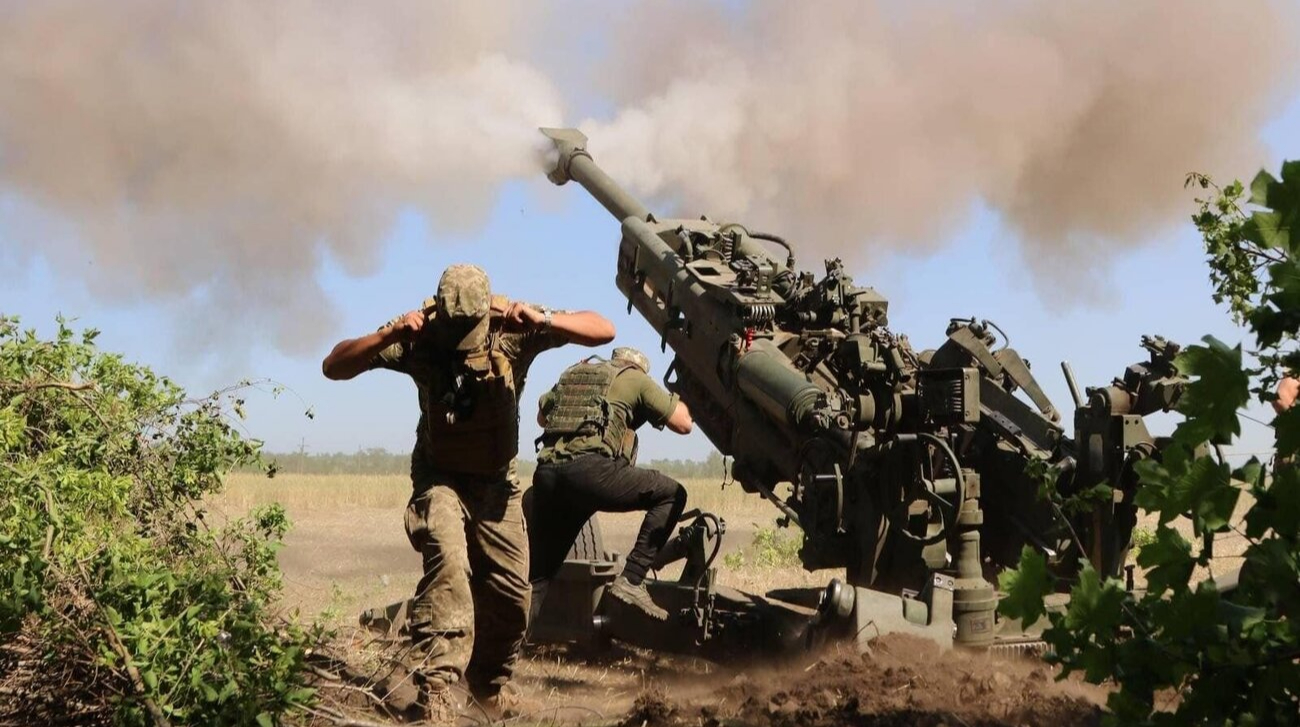
Strike by Iran: Missile Attack Hits Abu Dhabi on February 28
Iran conducted a missile strike on Abu Dhabi on 28 February 2026, marking a notable escalation in regional tensions as reported in available sources.[1] This strike Iran event has drawn attention amid discussions of geopolitical dynamics, with visual evidence of smoke rising over the UAE capital and connections to broader patterns of compliance and security in the Middle East.[1] The incident underscores the complexities of navigation in the Gulf region, including separate reports of an attack on an Indian-flagged vessel.[2]
Overview of the Iranian Strike
The Iranian strike on Abu Dhabi represents a direct military action that has captured international focus, as detailed in reports from Middle East Eye.[1] On 28 February 2026, Iranian missiles were launched over the Gulf, targeting the UAE capital and prompting immediate visual confirmation of impact.[1] This event is framed within an article exploring the "Singapore myth," which posits that nations achieve stability through compliance with external pressures, yet the strike Iran demonstrated clear limits to such strategies as a safeguard against aggression.[1] The overview highlights how this missile activity exposed vulnerabilities despite political submissions, with the smoke over Abu Dhabi serving as a stark symbol.[1] Analysts within the source material connect this to wider regional patterns, from Sudan to Gaza, where compliance does not guarantee safety from actions like those undertaken by Iran.[1] The strike's occurrence during ongoing discussions of prosperity through alignment underscores the precarious balance in Gulf security dynamics.[1] Ethiopian Airlines flights and conferences in nearby regions, such as Addis Ababa, provide incidental context to the travel disruptions potentially linked to such escalations, though the core focus remains the Iranian missile overflight and its implications.[1]
Details of the Abu Dhabi Incident
Specifics of the Abu Dhabi incident reveal a precise missile strike by Iran, with AFP imagery capturing smoke rising over the cityscape on 28 February 2026.[1] This visual evidence confirms the impact within the UAE capital, aligning with reports of Iranian missiles traversing the Gulf en route.[1] The strike Iran targeted Abu Dhabi directly, bypassing assumptions of safety through political compliance, as the source material notes the exposure of submission's limits.[1] The photograph credited to AFP depicts thick smoke plumes, indicating significant effects on the urban area, though exact damage assessments are not detailed beyond this observation.[1] Positioned in an article by Khalid Albaih submitted on 17 April 2026, the incident ties into a narrative of regional compliance myths, where becoming like "Singapore"—stable via alignment—fails against Iranian capabilities.[1] The Gulf overflight path emphasizes the proximity and vulnerability of UAE territories, with the strike serving as a pivotal example in discussions from Oslo to Addis Ababa conferences.[1] This level of detail reinforces the immediacy of the event, grounding it in credited photographic proof and thematic analysis from the source.[1]
Related Attack on a Vessel
In a connected development, Iran attacked an Indian-flagged vessel, as reported by the Jerusalem Post, with transmissions indicating the ship had permission to cross the Hormuz strait.[2] This separate incident highlights risks in one of the world's most critical maritime chokepoints, where even authorized passage did not prevent aggression.[2] The vessel's Indian registry and confirmed permissions via radio transmissions add layers to the event, suggesting deliberate targeting despite compliance with strait protocols.[2] The Jerusalem Post headline and body directly state "Iran attacks an Indian-flagged vessels," underscoring the action's attribution and the permission context from communications.[2] This attack parallels Gulf tensions seen in the Abu Dhabi strike, amplifying concerns over safe navigation amid Iranian activities.[1][2] The Hormuz strait, vital for global oil flows, sees routine permissions for crossings, making this breach noteworthy.[2] Reports frame it without further elaboration on outcomes, but the permission detail implies potential violations of international maritime norms.[2]
Broader Context from the Sources
The broader context from the sources situates the strike Iran within themes of political compliance and its inadequacies, particularly the "Singapore myth" promising stability through submission.[1] From Sudan to Gaza, nations' choices to align externally are critiqued, with Iranian missiles over the Gulf exposing that no such compliance ensures safety.[1] The Abu Dhabi strike on 28 February 2026 exemplifies this, as smoke rising over the city contradicts assurances of prosperity via political choices.[1] Khalid Albaih's piece, submitted 17 April 2026, weaves personal travel from Oslo to Addis Ababa into reflections on these limits, noting direct flights amid regional instability.[1] Iranian actions challenge the narrative that becoming "Singapore"—compliant and prosperous—shields against threats, a point reinforced by the missile event.[1] Regional implications extend to Gulf navigation, where external pressures do not deter strikes, tying into vessel incidents in Hormuz.[1][2] This context avoids new speculations, focusing solely on source-grounded themes of submission's boundaries.[1]
Summary of Reported Events
In summary, the reported events center on the Iranian missile strike on Abu Dhabi on 28 February 2026, with smoke observed rising over the city as per AFP images.[1] Iranian missiles over the Gulf highlighted limits to political compliance for safety, within discussions from Sudan to Gaza on the "Singapore myth."[1] Separately, Iran attacked an Indian-flagged vessel permitted to cross the Hormuz strait, per transmissions noted in Jerusalem Post coverage.[2] These incidents collectively illustrate Gulf vulnerabilities, with the strike Iran and vessel attack underscoring navigation and security challenges.[1][2] Visual evidence and permission details provide concrete anchors, while compliance themes offer interpretive backdrop without resolution.[1][2] The events, reported in April 2026 articles, recap a snapshot of escalating actions traceable to these sources.[1][2]
What to watch next
Observers should monitor developments in Gulf compliance dynamics, as Iranian missiles have already exposed limits to political submission as a safety guarantee, potentially influencing responses in Hormuz strait passages and regional alignments.[1][2]