
Strait of Hormuz Crisis: Fueling the Global Shift to Renewable Energy
Introduction
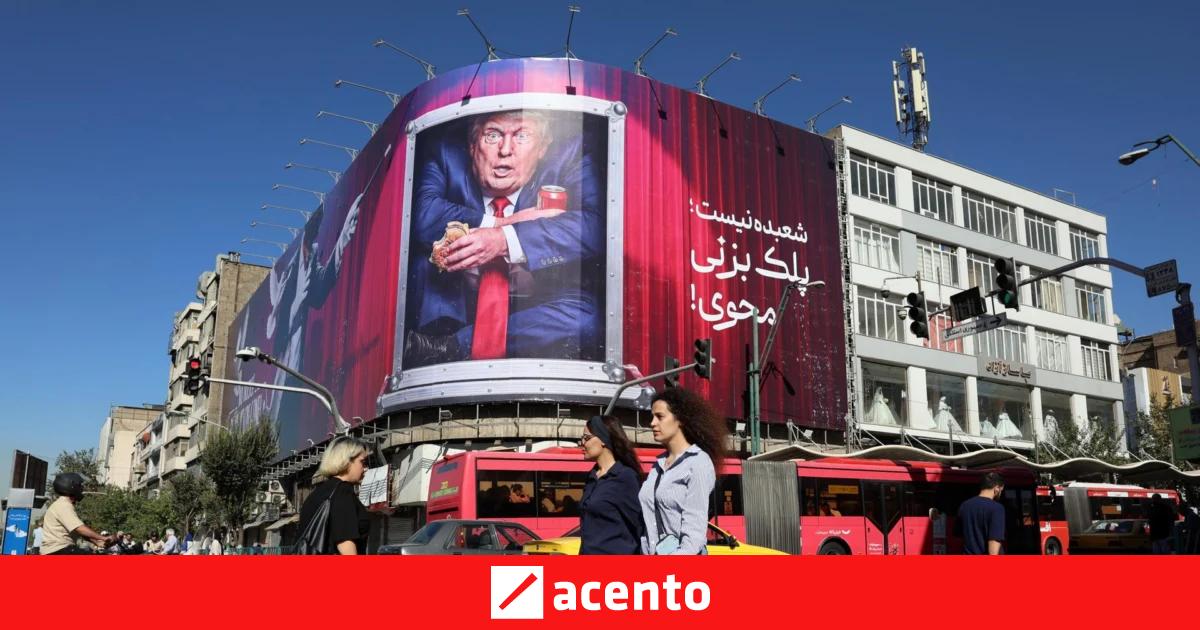
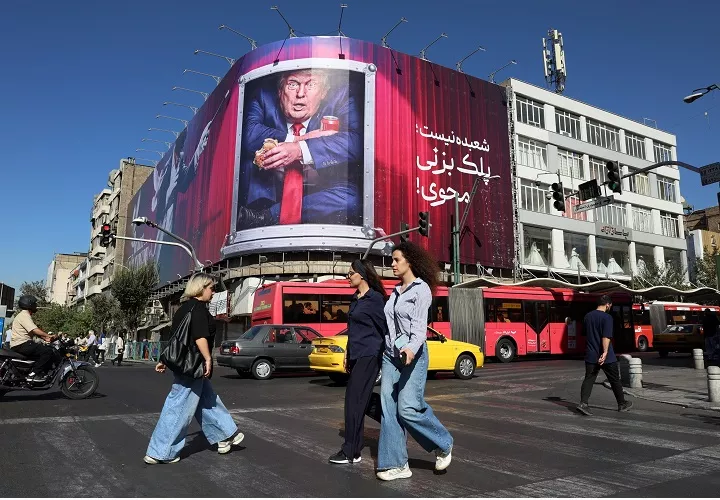
In the sweltering waters of the Strait of Hormuz, a narrow chokepoint between Iran and Oman through which one-fifth of the world's oil flows, tensions have erupted into a full-blown crisis. As of late March 2026, Iran has asserted dominance over the strait, deploying mines and ground forces while issuing direct threats against U.S. troops, prompting repeated warnings from former President Donald Trump—now a influential voice in Republican circles—about potential strikes on Iranian oil infrastructure. Oil prices have spiked, global shipping routes are disrupted, and markets are reeling from the uncertainty. This is not just another Middle East flare-up; it's a stark reminder of humanity's fragile tether to fossil fuels, as highlighted in our Global Risk Index tracking escalating geopolitical tensions.
Yet, amid the chaos lies an unintended silver lining: this crisis is accelerating the global shift to renewable energy. By exposing the perils of oil dependency—geopolitical blackmail, supply shocks, and economic volatility—nations are fast-tracking investments in solar, wind, and battery storage. Emerging markets, from sun-drenched North Africa to wind-swept Latin America, stand poised to leapfrog fossil fuels, fostering innovation and sustainability. This thesis reframes the Hormuz standoff not merely as a threat, but as a pivotal catalyst for energy independence, urging a reevaluation of long-standing reliance on a volatile resource that has fueled conflicts for decades. For deeper insights into related environmental risks, see Iran's Strait of Hormuz Tensions: The Untold Threat to Global Climate Migration and Environmental Displacement.
Historical Context of the Strait of Hormuz
The Strait of Hormuz has long been a flashpoint in global energy geopolitics, a 21-mile-wide artery carrying 21 million barrels of oil daily—enough to power Japan, China, India, and South Korea combined. Its history is riddled with saber-rattling: the 1980s Tanker War during the Iran-Iraq conflict saw hundreds of vessels attacked, while 2019 saw Iran seizing oil tankers amid U.S. sanctions. Today's escalation follows this pattern, underscoring a recurring cycle of brinkmanship that amplifies the urgency to diversify beyond oil. Additionally, ongoing Middle East conflicts raise concerns for cultural heritage, as explored in Sacred Sites in the Crossfire: How Middle East Geopolitics Threatens Global Cultural Heritage and Exchanges.
The current crisis unfolded rapidly in March 2026:
- March 11, 2026: The U.S. threatens Iran over reports of mines being laid in the strait, heightening fears of deliberate blockades.
- March 12, 2026: Iran vows retaliatory action, signaling its intent to control Hormuz shipping lanes.
- March 19, 2026: The U.S. announces a Marine plan for Hormuz security, deploying assets to escort tankers.
- March 20, 2026: The U.S. boosts oil supply convoys through the strait, an escalatory move to test Iranian resolve.
- March 26, 2026: Iran offers a concession to Spain, allowing limited passage in a potential diplomatic pivot amid European pressure, tying into broader EU dynamics like Spain's Airspace Closure to US Military Planes Amid Iran War: Catalyzing a New Era of EU Solidarity in Global Conflicts.
- March 27, 2026: Tensions peak with reports of Iran-U.S. standoffs, marked as medium severity in global event trackers such as our Global Risk Index.
This timeline mirrors historical cycles, like the 1979 Iranian Revolution that doubled oil prices or the 1990 Gulf War disruptions. Each episode has humanized the stakes: fishermen displaced, coastal communities terrorized, and economies crippled. By framing these as predictable oil-fueled rivalries, the crisis illuminates why renewables—immune to such chokepoints—represent a strategic imperative. These patterns emphasize the need for diversified energy strategies to mitigate future disruptions.
Current Geopolitical Dynamics and Economic Pressures
Iran now "calls the shots" in the strait, per France24 reports, with direct warnings to the U.S. about attacks on ground troops, as detailed in El Imparcial. Trump’s repeated ultimatums—threatening strikes on oil wells and power plants—echo Jerusalem Post and Straits Times coverage, blending domestic U.S. politics with international brinkmanship. These dynamics exacerbate global trade vulnerabilities: 30% of liquefied natural gas (LNG) also transits Hormuz, hitting Europe amid its post-Ukraine energy crunch.
Indirect effects ripple to non-oil regions. Asia, reliant on 80% of Hormuz oil, faces inflation spikes; India's refineries idle, costing billions. International shipping insurers have hiked premiums 300%, per Lloyd's of London analogs, disrupting supply chains from semiconductors to consumer goods. Historical escalations, like 2019's drone attacks on Saudi Aramco, saw similar chaos, with global GDP shaved by 0.5%. Today, compounded by U.S. domestic protests (factoring into market jitters), the pressure mounts for alternatives. This interconnected volatility underscores how regional energy crises like Hormuz can cascade into worldwide economic challenges.
Catalyst AI Market Prediction
The World Now Catalyst AI engine forecasts immediate market turbulence from Hormuz risks, blending U.S.-Iran escalation with domestic unrest:
- OIL: Predicted + (high confidence) — Iran ground ops prep spikes supply disruption fears in Strait of Hormuz, driving immediate futures buying. Historical precedent: Similar to 2003 Iraq invasion prep when oil surged 20% in weeks, with 4-5% short-term pops. Key risk: US clarifies ops as limited, easing supply fears.
- USD: Predicted + (medium confidence) — Safe-haven flows accelerate into USD amid US-Iran military risks and domestic protests signaling global uncertainty. Historical precedent: Similar to 2019 US-Iran Soleimani strike when DXY rose 1% intraday. Key risk: Sudden de-escalation in Iran plans reduces haven demand instantly.
- SPX: Predicted - (medium confidence) — Immediate risk-off selling triggered by US domestic protests disrupting consumer sentiment and Iran escalation fears prompting algorithmic de-risking in US equities. Historical precedent: Similar to 2020 Black Lives Matter protests when SPX dropped 5% in the short term. Key risk: Protests remain peaceful and de-escalate quickly, allowing dip-buying to stabilize markets within 24h.
- EUR: Predicted - (medium confidence) — Risk-off flows strengthen USD safe haven, pressuring EURUSD amid ME tensions and European exposure to energy shocks. Historical precedent: Similar to 2019 Houthi attacks when EURUSD fell 1.5% in 48h. Key risk: Eurozone policy response caps USD gains.
- BTC: Predicted - (medium confidence) — Risk-off liquidation cascades hit crypto amid ME escalation and BTC ETF outflows. Historical precedent: Feb 2022 Ukraine invasion dropped BTC 10% in 48h. Key risk: stablecoin inflows trigger dip-buying rebound.
- ETH: Predicted - (medium confidence) — BTC-led risk-off cascades into alts amid outflows and ME tensions. Historical precedent: Feb 2022 Ukraine drop mirrored BTC's 10% in 48h. Key risk: ETH-specific staking inflows counter selloff.
- SOL: Predicted - (medium confidence) — High-beta altcoin amplifies BTC risk-off from outflows/ME shocks. Historical precedent: 2022 Ukraine saw SOL drop 15% in 48h. Key risk: DeFi volume spike reverses.
Predictions powered by The World Now Catalyst Engine. Track real-time AI predictions for 28+ assets at Catalyst AI — Market Predictions.
The Energy Transition Catalyst: Opportunities in Crisis
Hormuz disruptions brutally expose oil's Achilles' heel: 90% of global trade by value moves by sea, yet one strait dictates energy fates. Nations are responding with urgency. Saudi Arabia and UAE, once oil behemoths, now invest $50 billion in renewables by 2030; China's solar dominance (50% global capacity) accelerates amid import fears. Europe, post-Russia gas cuts, eyes North Sea wind farms.
Emerging markets shine brightest. Morocco's Noor solar complex, already powering 1 million homes, attracts $10 billion more post-crisis. India's 500 GW renewable target by 2030 gains Hormuz-fueled momentum, with auctions for 50 GW solar in 2026. Brazil's offshore wind potential—equal to Europe's—draws investors fleeing oil volatility. These shifts spur innovations: next-gen batteries from QuantumScape cut storage costs 50%, enabling grid stability without fossil backups. By humanizing the crisis—factory workers in Asia idled by price hikes, families in Europe rationing heat—it galvanizes political will for green tech, turning peril into prosperity. Such transitions not only mitigate immediate risks but also build long-term resilience against future geopolitical shocks.
Original Analysis: Internal Iranian Factors and Global Innovation
Iran's Hormuz strategy stems from domestic pressures: 40% inflation, youth unemployment at 25%, and sanctions eroding oil revenues (down 70% since 2018). The March 26 concession to Spain signals internal pragmatism—Tehran's hardliners face elections, echoing 2015 nuclear deal compromises. Yet, this masks a cycle: oil leverage funds proxies, perpetuating isolation.
Globally, actors can leverage this for renewables. U.S.-EU pacts could fund Iranian solar exports, mirroring Israel's Negev tech boom. Collaborative projects—like Africa-EU green hydrogen corridors—counter humanitarian tolls (displaced Gulf fishers, migrant crises). Environmentally, reduced fossil reliance slashes 10 gigatons CO2 annually by 2030, per IPCC models, balancing conflict's scars with cleaner air for Tehran’s polluted streets. This analysis highlights untapped diplomatic avenues for sustainable progress amid ongoing tensions.
Predictive Elements: Future Scenarios and Pathways Forward (Looking Ahead)
Escalation risks abound: U.S.-Iran clashes could spike oil to $150/barrel, birthing alternative energy alliances—India-Japan solar pacts, Africa-Russia wind deals. De-escalation via third-party mediation (Oman, Qatar) seems likely by mid-2026, per patterns.
By 2028, instability surges renewable investments: IEA forecasts 50% capacity growth, stabilizing markets. New frameworks emerge—multi-nation pacts like a "Global Energy Resilience Forum"—reshaping alliances, with BRICS leading green tech. Risks persist: proxy wars prolong volatility; opportunities abound for sustainable development, cutting crisis recurrence. Looking ahead, monitoring tools like our Global Risk Index will be crucial for navigating these evolving scenarios.
Conclusion
The Hormuz crisis marks a turning point: oil's geopolitical stranglehold yields to renewables' promise of independence. Policymakers must fast-track subsidies; industries pivot to green supply chains. Prioritizing sustainability amid tensions isn't optional—it's survival. This deep dive reveals how current events are reshaping global energy landscapes for the better.
Epilogue: Key Takeaways for Readers
This crisis uniquely accelerates renewables, spotlighting emerging markets' innovation edge—untapped in prior coverage. For global citizens, it means cheaper, cleaner energy soon; volatile bills today spur action tomorrow. Engage: support local solar co-ops, advocate green policies. Further reading: IEA World Energy Outlook; track Catalyst AI for markets.## What This Means for the Future
In summary, the Strait of Hormuz crisis not only disrupts global energy supplies today but also propels a faster transition to renewable sources tomorrow. Businesses should diversify supply chains, investors eye green tech stocks, and governments accelerate policy reforms. By leveraging this momentum, the world can achieve greater energy security and environmental sustainability, reducing vulnerability to such chokepoints in the long term.
Further Reading
- Pakistan's Geopolitical Leverage: How Energy Alliances and Infrastructure Are Reshaping Regional Dynamics
- North Korea's Aerial Diplomacy: How Resumed Flights Are Reshaping Geopolitical Isolation and Economic Pathways
- Cuba's Geopolitical Revival Amid Doomsday Clock 2026 Warnings: From Cold War Shadows to 2026 Power Plays