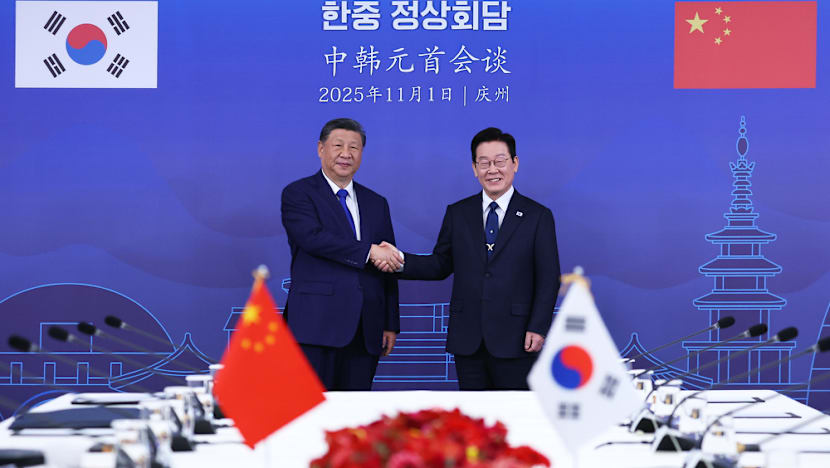

South Korean President Lee Jae Myung Embarks on Diplomatic Summit with Xi Jinping in Beijing
South Korean President Lee Jae Myung is set to engage in a pivotal second summit with Chinese President Xi Jinping in Beijing, commencing on January 4, 2026. This diplomatic meeting marks a significant moment as it is the first visit by a South Korean leader to China in six years. The summit aims to address various bilateral issues while navigating the complex geopolitical landscape, particularly the tensions surrounding Taiwan.
President Lee's departure for Beijing comes in the wake of heightened military activity by China around Taiwan, where the Chinese government has conducted extensive military drills. This backdrop adds a layer of urgency to the summit, as both leaders are expected to discuss regional security and economic cooperation amidst these tensions.
In his statements prior to the summit, President Lee emphasized the importance of maintaining open lines of communication with China, especially in light of recent escalations in the Taiwan Strait. "We must work together to ensure stability and peace in the region," he stated. His visit aims to reinforce South Korea's diplomatic posture while advocating for a collaborative approach to regional security.
The summit is also anticipated to focus on economic ties between South Korea and China, which have faced challenges due to external pressures and fluctuations in global markets. Lee's administration seeks to bolster trade relations and explore avenues for cooperation in technology and innovation, areas where both nations have significant potential for mutual benefit.
Context and Background
The diplomatic relationship between South Korea and China has evolved significantly over the years. Historically, the two nations have maintained a complex partnership, influenced by North Korean provocations and the shifting dynamics of U.S.-China relations. The last summit between Lee and Xi occurred in 2025, where both leaders discussed economic cooperation and regional security concerns.
Tensions in the Taiwan Strait have been a focal point in East Asian geopolitics, particularly as China continues to assert its claims over Taiwan. South Korea, while maintaining a delicate balance with China, has also aligned itself with the United States in some aspects of security policy, complicating its relations with Beijing.
As President Lee embarks on this diplomatic mission, the outcomes of the summit could have significant implications for the regional balance of power and the future of South Korea's foreign policy. Analysts are closely watching to see if the discussions will lead to tangible agreements or if the prevailing geopolitical tensions will overshadow the talks.
Conclusion
The upcoming summit between President Lee Jae Myung and President Xi Jinping is a crucial opportunity for South Korea and China to address pressing issues while fostering stronger bilateral ties. As both nations navigate the complexities of regional security and economic cooperation, the outcomes of this meeting could play a significant role in shaping the future of East Asian geopolitics. The international community will be observing the developments closely, as any agreements reached may influence the broader stability of the region.