South Korea Lifts Ban on North Korean State Newspaper Amid Diplomatic Outreach to China

Latest from X
South Korea Lifts Ban on North Korean State Newspaper Amid Diplomatic Outreach to China
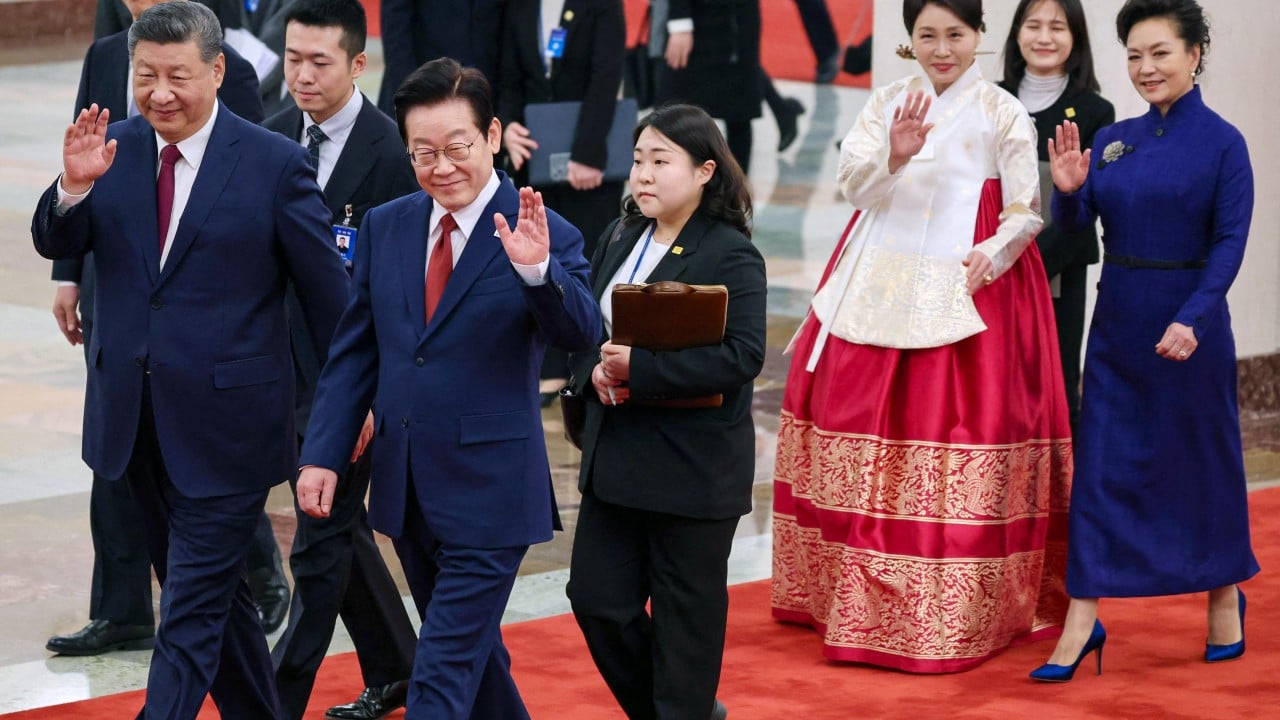
Beijing/Seoul — South Korea has lifted a long-standing ban on access to North Korea's state-run newspaper Rodong Sinmun, a move signaling potential warming in inter-Korean ties under new President Lee Jae-myung. The decision, announced on January 2, 2026, coincides with high-level talks between Lee and Chinese President Xi Jinping, where both leaders emphasized regional stability, dialogue with Pyongyang, and mending bilateral frictions.
The lifting of the ban allows South Koreans to subscribe to Rodong Sinmun, the official mouthpiece of North Korea's Workers' Party, for an annual fee of approximately 1.91 million won (about $1,400). President Lee has downplayed concerns over ideological influence, reportedly joking that the public would not "become commies" by reading the paper, according to posts circulating on X. Public opinion appears divided, with some viewing it as a pragmatic step toward dialogue and others questioning where subscription revenues might flow, potentially to North Korean coffers. The policy shift marks a departure from decades of restrictions aimed at curbing North Korean propaganda, reflecting Lee's campaign pledges for renewed engagement with Pyongyang after years of stalled talks under previous administrations.
This inter-Korean gesture unfolded against the backdrop of Lee's state visit to China on January 5, where Xi urged South Korea to make the "correct strategic choices" amid a "turbulent and complex" global landscape marked by "changes on a scale unseen in a century," according to China's state broadcaster CCTV, as reported by the South China Morning Post. Xi highlighted shared responsibilities between Beijing and Seoul for regional stability, implicitly referencing tensions over issues like the U.S. THAAD missile defense deployment and South Korea's alignment with Washington.
In a series of urgent dispatches from Seoul's presidential office Cheong Wa Dae, officials detailed the outcomes of the summit. Xi described Lee's visit as "meaningful" and a foundation for a "new era" in South Korea-China relations, per Yonhap News Agency. The leaders concurred on the importance of resuming dialogue with North Korea, aligning with Lee's domestic overtures like the Rodong Sinmun decision. They also agreed to pursue vice-ministerial talks on demarcating the disputed Yellow Sea boundary, a long-standing flashpoint involving fishing rights and potential oil reserves near the Northern Limit Line.
Further agreements included annual summits between the two presidents and expanded communication channels among defense authorities to build military trust. Addressing mutual irritants, Lee and Xi pledged joint efforts to counter negative sentiments in their respective countries, which have been exacerbated by economic competition, cultural disputes, and geopolitical pressures. "This visit firms up the basis for improved cooperation," a Seoul official stated.
Background on Shifting Dynamics
South Korea-China relations have fluctuated since normalization in 1992, peaking during the "strategic cooperative partnership" under former President Moon Jae-in but souring under Yoon Suk-yeol due to U.S.-led alliances like the trilateral partnership with Japan and AUKUS. Beijing imposed informal economic sanctions in 2016-2017 over THAAD, costing South Korean firms billions. Meanwhile, inter-Korean ties have frozen since the 2019 Hanoi summit collapse between Donald Trump and Kim Jong-un, with North Korea advancing its nuclear arsenal amid escalating missile tests.
Lee Jae-myung, a progressive who assumed office in 2025 after a narrow election victory, has prioritized "balanced diplomacy." His administration views engagement with North Korea and China as essential to countering economic headwinds from U.S. tariffs and global supply chain disruptions. Rodong Sinmun, historically inaccessible in the South except via smuggled copies or online proxies, has long served as a barometer of Pyongyang's rhetoric—featuring effusive coverage of Kim family achievements while rarely addressing denuclearization directly, as seen in past editions during U.S.-North Korea summits.
Outlook for Regional Stability
Analysts see these developments as interconnected: South Korea's olive branch to the North could facilitate trilateral momentum involving China, North Korea's primary patron. However, challenges persist. Pyongyang has not reciprocated the newspaper gesture, and U.S. officials have expressed caution over any perceived dilution of sanctions. Public polls in South Korea show skepticism toward rapid rapprochement, with divisions mirroring broader debates on security versus economic pragmatism.
The agreements on Yellow Sea talks and defense dialogues offer a roadmap for de-escalation, but implementation will test commitments amid ongoing maritime incidents. As Lee returns from Beijing, his administration faces pressure to deliver tangible progress, potentially reshaping Northeast Asian geopolitics in a multipolar world.
(Word count: 712)
Track this story live
Live World Map
Monitor global events in real time with a live activity map and hotspot summaries.
Markets
Connect live events to Catalyst market signals across crypto, commodities, indices, and forex.
Geopolitical Risk
Live geopolitical risk index tracking conflict zones, sanctions, and global threat levels.
Original Sources
- •
- •
- •
- •
- •
- •
Editorial process: This article was synthesized from the original sources cited above using The World Now's AI editorial system, with byline accountability from our editorial team. We grade every story for source grounding, factual coherence, and on-topic match before publication. Read more about our editorial standards and contributors. Spot something inaccurate? Let us know.
Last updated: January 26, 2026






