
South Korea Lifts Ban on North Korean Newspaper Amid Shifting Geopolitics
In a noteworthy development that could reshape inter-Korean relations, South Korea has lifted a longstanding ban on access to North Korea's state-run newspaper, the Rodong Sinmun. This decision, made official on January 2, 2026, comes as South Korea's political landscape evolves and public opinion remains divided on relations with its northern neighbor.
The lifting of the ban signals a potential thaw in the often frosty relations between the two Koreas, which have been marked by hostility and military tensions for decades. While the government has not detailed the rationale behind this significant policy shift, experts suggest that it may reflect an attempt to foster dialogue and improve communication channels with North Korea.
The Rodong Sinmun is considered a key mouthpiece for the North Korean regime, providing insights into the state’s policies and ideology. Access to this newspaper could enable South Koreans to gain a better understanding of North Korean perspectives, thereby potentially easing tensions and misconceptions that have long characterized the inter-Korean relationship.
Public Sentiment and Political Context
Despite the government's decision, public opinion on inter-Korean relations remains mixed. Many South Koreans express skepticism about North Korea's intentions, particularly in light of the North's ongoing nuclear weapons program and past provocations. Regular polls indicate that while some view engagement as a pathway to peace, others fear that concessions could undermine national security.
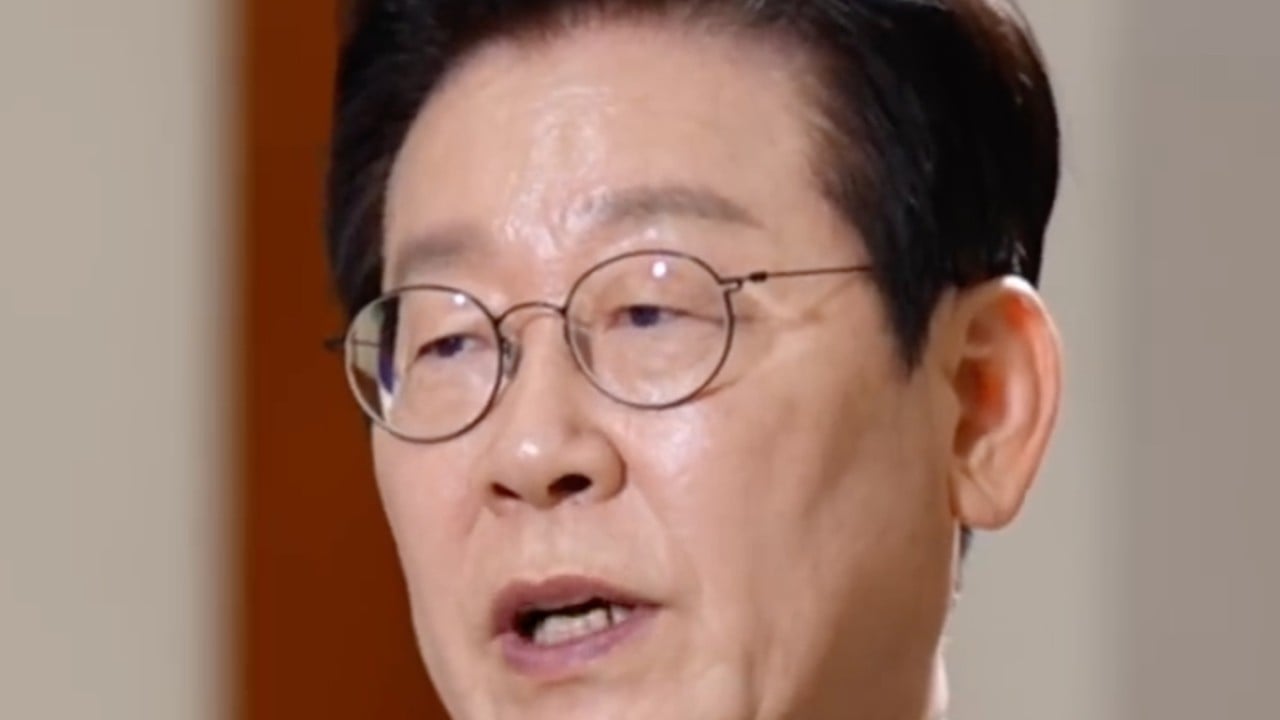
President Lee Jae-myung, who has taken a more conciliatory approach towards North Korea compared to his predecessors, recently emphasized the importance of maintaining a balanced foreign policy. In a related context, Lee stated ahead of a state visit to China that conflict with Beijing would not benefit South Korea, emphasizing the need for dialogue and cooperation in an increasingly complex global environment. He called for annual leader-level dialogues to explore mutually beneficial opportunities, reflecting a broader strategy of engaging with both the United States and China while cautiously navigating relations with North Korea.
Background on Inter-Korean Relations
Inter-Korean relations have been tumultuous since the Korean War in the early 1950s, which ended in an armistice but not a formal peace treaty. Over the years, various South Korean administrations have oscillated between engagement and confrontation, with North Korea's nuclear ambitions often serving as a flashpoint for tensions.
The lifting of the ban on North Korean media unexpectedly comes amidst ongoing geopolitical challenges in the region, including rising tensions in the Taiwan Strait and North Korea's missile tests. Analysts suggest that South Korea's decision could be an effort to enhance its diplomatic leverage and demonstrate a commitment to peace and stability on the Korean Peninsula.
Conclusion
The decision to lift the ban on North Korea's state newspaper marks a significant moment in South Korea's approach to inter-Korean relations. While it may pave the way for improved dialogue, the divided public opinion suggests that the path to reconciliation remains complex and fraught with challenges. As President Lee Jae-myung prepares for his state visit to China, the developments in inter-Korean relations underscore the intricate balance South Korea must strike amidst competing regional interests and security concerns.






