
South Korea Lifts Ban on North Korean Newspaper Amid Shifting Geopolitical Landscape
In a significant move signaling a potential thaw in inter-Korean relations, South Korea has lifted its ban on access to the North Korean state newspaper, the Rodong Sinmun. This decision, made on January 2, 2026, reflects a changing political atmosphere, although public opinion in South Korea remains divided on the implications of this development.
The lifting of the ban allows South Koreans to access the North's official propaganda outlet, which has long been restricted due to concerns over its content and the regime's authoritarian practices. Analysts suggest that this could be a step toward improved dialogue between the two Koreas, particularly in the context of ongoing tensions on the Korean Peninsula.
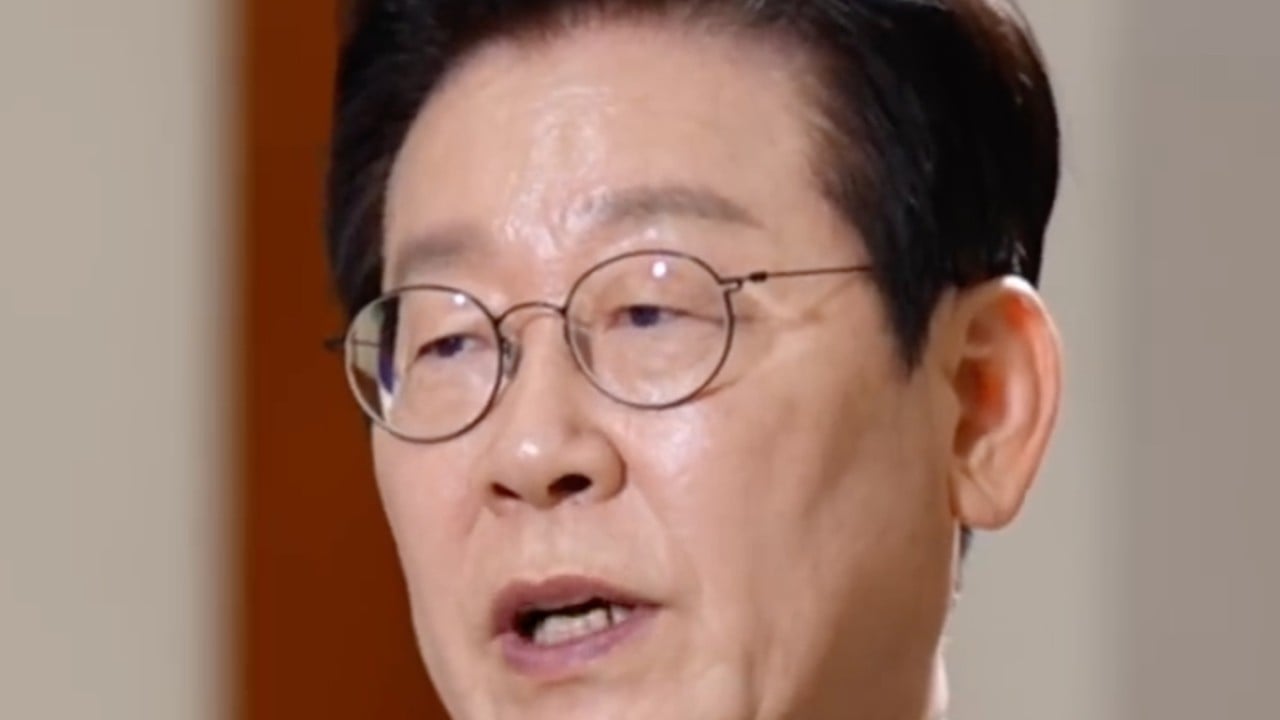
On the same day, South Korean President Lee Jae-myung emphasized the importance of maintaining a balanced approach in foreign relations, particularly regarding China and the United States. Ahead of his state visit to China, Lee stated that while security cooperation with the U.S. is an "unavoidable reality," Seoul should avoid escalating tensions with Beijing. He called for more frequent dialogues between leaders of the two nations, aiming for annual meetings to discuss mutual interests and regional stability.
"We must prioritize diplomacy and dialogue over confrontation," Lee remarked during an interview with Chinese state broadcaster CCTV. This comment comes at a time when South Korea is navigating complex geopolitical challenges, including its relationship with North Korea and the broader implications of U.S.-China rivalry.
Despite the government's decision to lift the ban on the North Korean newspaper, public opinion in South Korea is mixed. Some citizens view the move as a positive step towards reconciliation and peace, while others express skepticism about North Korea's intentions and the potential risks of engaging with its state-controlled media. The historical context of the North's nuclear ambitions and aggressive rhetoric continues to shape public sentiment.
In the backdrop of these developments, the Korean Peninsula remains a focal point of international concern, with ongoing tensions related to North Korea's military activities. The recent lifting of the ban on the Rodong Sinmun may open new avenues for communication but also raises questions about how such actions will be perceived both domestically and abroad.
President Lee's upcoming visit to China is expected to further address these complexities. His administration aims to strike a balance between strengthening ties with Beijing while maintaining a strong alliance with Washington. As South Korea navigates this delicate diplomatic landscape, the implications of lifting the newspaper ban could play a crucial role in shaping future inter-Korean relations.
In conclusion, while the lifting of the ban on North Korea's state newspaper may signal a potential shift towards engagement, the divided public opinion and the broader geopolitical context underscore the challenges that lie ahead. The coming weeks will be pivotal as President Lee embarks on his state visit to China, seeking to foster dialogue in an increasingly complex global environment.






