
South Korea Lifts Ban on North Korean Newspaper Amid Shifting Geopolitical Dynamics
In a significant development signaling a potential thaw in inter-Korean relations, South Korea has lifted a ban on access to North Korea's state newspaper, the Rodong Sinmun, as of January 2, 2026. The decision comes amidst a complex geopolitical landscape where South Korea is navigating its relationships with both North Korea and major global powers, particularly the United States and China.
The lifting of the ban allows South Koreans to access content published by the North Korean government, which has historically been restricted due to concerns over propaganda and the regime's repressive tactics. This move could be interpreted as a gesture of goodwill or an attempt to foster dialogue between the two Koreas, although public opinion in South Korea remains divided on the implications of such actions.
Context of the Decision
The ban on North Korea's state newspaper had been a long-standing policy aimed at controlling the narrative and limiting the influence of Pyongyang's propaganda within South Korea. However, with the recent changes in leadership and evolving political dynamics, the decision to lift the ban could indicate a shift towards greater engagement with the North. Analysts suggest that this move may be aimed at reestablishing communication channels in light of ongoing tensions and the protracted conflict on the Korean Peninsula.
Public sentiment towards North Korea remains polarized. While some view the lifting of the ban as a positive step towards reconciliation, others express concern that it may embolden North Korea's regime or mislead South Koreans with distorted information.
Lee Jae-myung’s Balancing Act
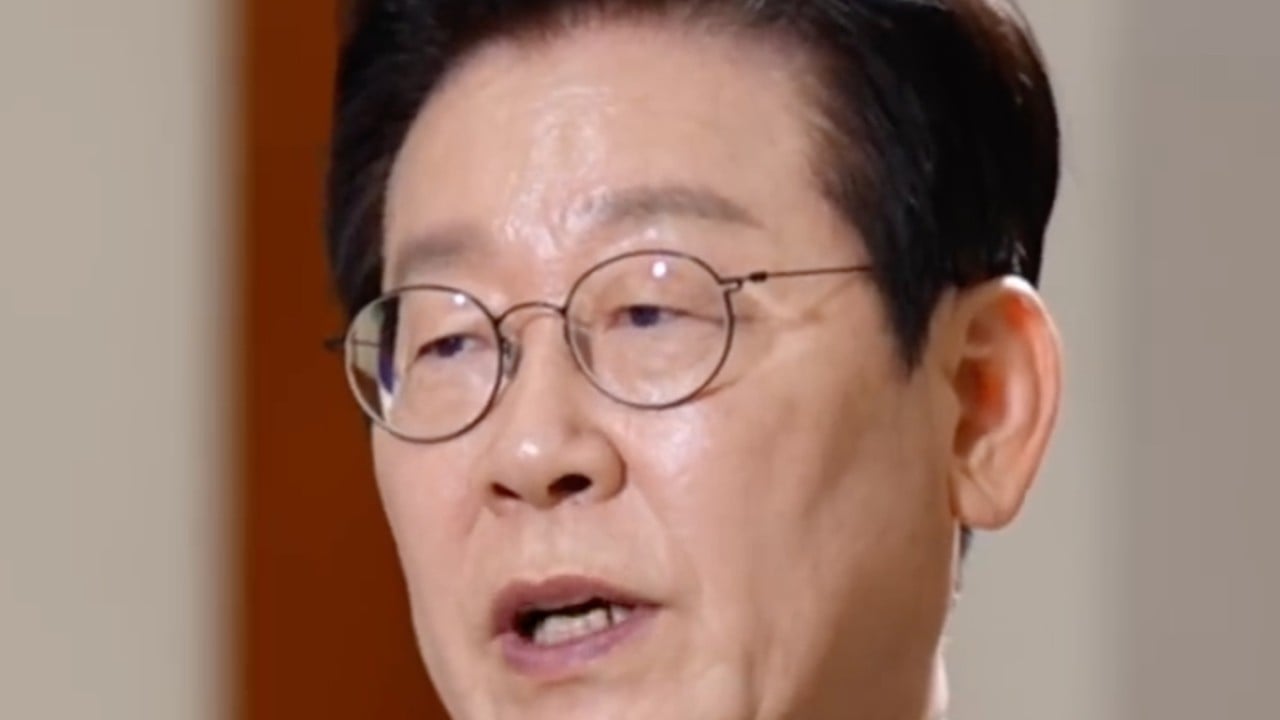
In conjunction with this policy shift, South Korean President Lee Jae-myung is preparing for a state visit to China, scheduled to begin shortly after the lifting of the ban. In an interview with Chinese state broadcaster CCTV, Lee emphasized the importance of maintaining a balanced relationship with Beijing, stating that "conflict with China won’t benefit South Korea." He reiterated the necessity of security cooperation with the United States but insisted that relations with China should not devolve into confrontation.
Lee's diplomatic approach underscores the delicate balancing act South Korea must perform as it navigates its relationships with both the US and China, especially given the increasingly complex geopolitical environment in the region. His call for more frequent leader-level dialogues with China reflects a desire for stability and cooperation amid rising tensions, particularly over issues related to North Korea.
Broader Geopolitical Implications
The lifting of the ban on the North Korean newspaper and Lee's upcoming visit to China highlight South Korea's strategic maneuvering in an era marked by shifting alliances and regional power dynamics. As North Korea continues to engage in military tests and assert its position, South Korea's approach will likely require careful consideration of both domestic sentiment and international relations.
As the geopolitical landscape evolves, the actions taken by South Korea could have significant implications for inter-Korean relations and the broader stability of the region. The lifting of the ban may pave the way for renewed dialogue, but it also raises questions about how the South Korean populace will react to North Korean propaganda and the potential impact on national security.
Conclusion
The recent decision to lift the ban on North Korea's state newspaper represents a noteworthy moment in South Korea's ongoing efforts to navigate its relationship with the North amid a complex geopolitical backdrop. With Lee Jae-myung's state visit to China on the horizon, the coming weeks will be critical in shaping the future of inter-Korean relations and South Korea's position in the regional power dynamics. The outcome of these diplomatic efforts remains to be seen, as public opinion and international relations continue to influence the direction of South Korea's foreign policy.