
South Africa Defends Multinational Naval Drills with Russia, Iran, and China as Vital for Maritime Security
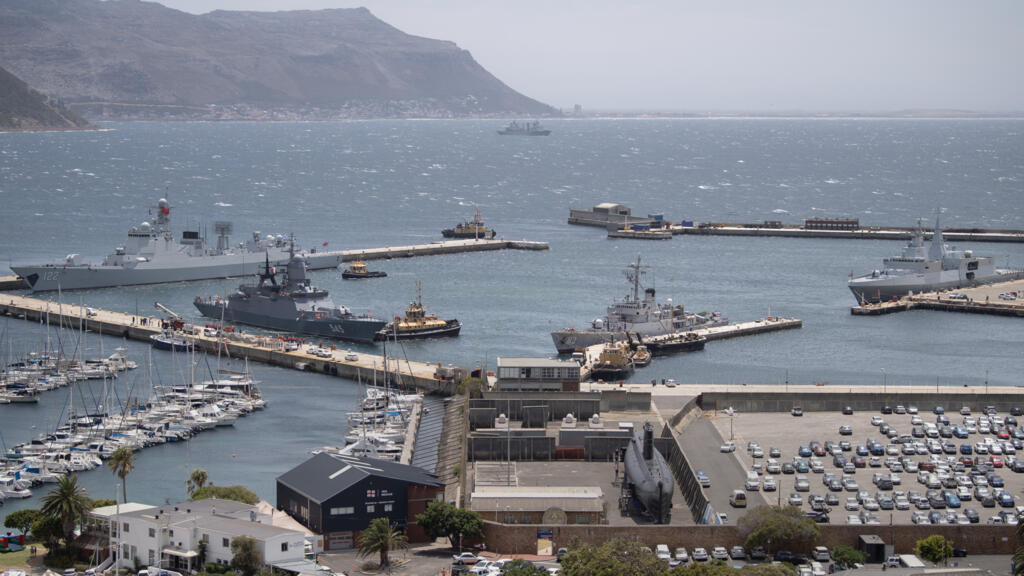
DURBAN, South Africa – South Africa launched joint naval exercises with Russia, Iran, and China on Saturday, January 10, 2026, off its eastern coast, framing the maneuvers as a critical measure for enhancing military readiness amid escalating maritime tensions in the Indian Ocean region.
The drills, which commenced at 13:31 GMT near Durban, involve warships from the four nations conducting live-fire exercises, anti-submarine warfare simulations, and tactical maneuvers. South African defense officials described the operation not as a provocative display of force but as an "essential" component of the country's strategic posture. "These exercises are vital for our military readiness and strengthening international relations," a government statement emphasized, underscoring their role in countering threats such as piracy, illegal fishing, and potential blockades in key sea lanes.
According to reports from Radio France Internationale (RFI), the South African Navy's participation aligns with its long-standing commitment to multilateral cooperation, particularly through frameworks like the BRICS alliance, which expanded in 2024 to include Iran alongside founding members Russia, China, India, and Brazil. The exercises mark a notable escalation in scope, incorporating Iranian vessels for the first time in such high-profile drills hosted by Pretoria.
Details of the Exercises and South Africa's Rationale
The multinational naval operation, tentatively named under the "Mosi" series—referencing previous iterations like Mosi II in February 2024—involves over a dozen vessels, including South Africa's frigates SAS Amatola and SAS Isandlwana, Russian corvettes, Chinese Type 056 destroyers, and Iranian missile boats. Activities include coordinated patrols, boarding operations, and missile launches, set to continue through mid-January.
South African Defence Minister Angie Motshekga defended the drills in a press briefing, stating they respond directly to "rising maritime tensions" in the region. These include persistent threats from Houthi attacks in the Red Sea, which have disrupted global shipping since late 2023, and increased Somali piracy incidents in 2025. "In an era of contested seas, interoperability with partners is non-negotiable," Motshekga said, highlighting how the exercises bolster South Africa's blue-water capabilities without relying solely on Western alliances.
The decision comes amid scrutiny from Western nations, which have imposed sanctions on Russia since its 2022 invasion of Ukraine and view Iran's naval activities with suspicion due to its nuclear program and support for proxy militias. However, South Africa has maintained a policy of strategic non-alignment, abstaining from UN votes condemning Russia and pursuing closer ties with the Global South.
Historical Context and Geopolitical Implications
South Africa's engagement with Russia and China dates back to joint exercises in 2019 (Mosi I) and 2023-2024, which faced domestic and international backlash. Critics, including the opposition Democratic Alliance, argued those drills strained relations with NATO allies and the United States, South Africa's largest bilateral aid donor for maritime security. Yet, Pretoria has doubled down, citing the need for diversified partnerships as U.S. and European focus shifts to the Indo-Pacific.
Iran's inclusion reflects BRICS' evolving dynamics. Admitted as a full member in January 2024, Tehran has ramped up naval diplomacy, participating in similar drills with Russia in the Gulf of Oman. For South Africa, hosting Iran signals a pivot toward multipolarity, especially as U.S.-South Africa relations cooled over Pretoria's 2023 genocide case against Israel at the International Court of Justice.
The Indian Ocean's strategic chokepoints—the Mozambique Channel, Cape Route—handle 40% of global oil trade, making the region a flashpoint. Recent events, such as the U.S.-led Operation Prosperity Guardian against Houthi threats, have heightened competition, with China expanding its Djibouti base and Russia courting African ports.
South Africa's navy, with a fleet of just three frigates and aging submarines, benefits technically from these drills. Past exercises have yielded joint maintenance protocols and intelligence-sharing, per South African National Defence Force reports.
Regional Reactions and Broader Outlook
Neighboring countries expressed measured support. Mozambique and Madagascar, fellow Southern African Development Community (SADC) members, welcomed enhanced anti-piracy efforts, while the African Union reiterated calls for de-escalation in global naval rivalries.
Western responses remained cautious. A U.S. State Department spokesperson noted "concern" over drills involving sanctioned entities but affirmed continued cooperation with South Africa on counter-terrorism. The European Union, a key trade partner, urged Pretoria to prioritize UN-compliant partnerships.
As the exercises unfold, analysts see them reinforcing South Africa's role as a BRICS maritime hub, potentially paving the way for permanent naval rotations. With global shipping vulnerabilities exposed—container rates up 300% since 2023 due to Red Sea disruptions—the drills underscore Africa's growing agency in securing its own waters.
South Africa's stance signals no retreat from its independent foreign policy, even as it navigates economic pressures from sanctions and trade frictions. The maneuvers conclude amid the Southern Hemisphere summer, leaving open questions about future iterations and their impact on Pretoria's balancing act between East and West.
(Word count: 712)






