
Shattered Lines: The Human Cost of Russia's Latest Drone Strike on Ukraine's Civilian Transport
Overview of the Attack
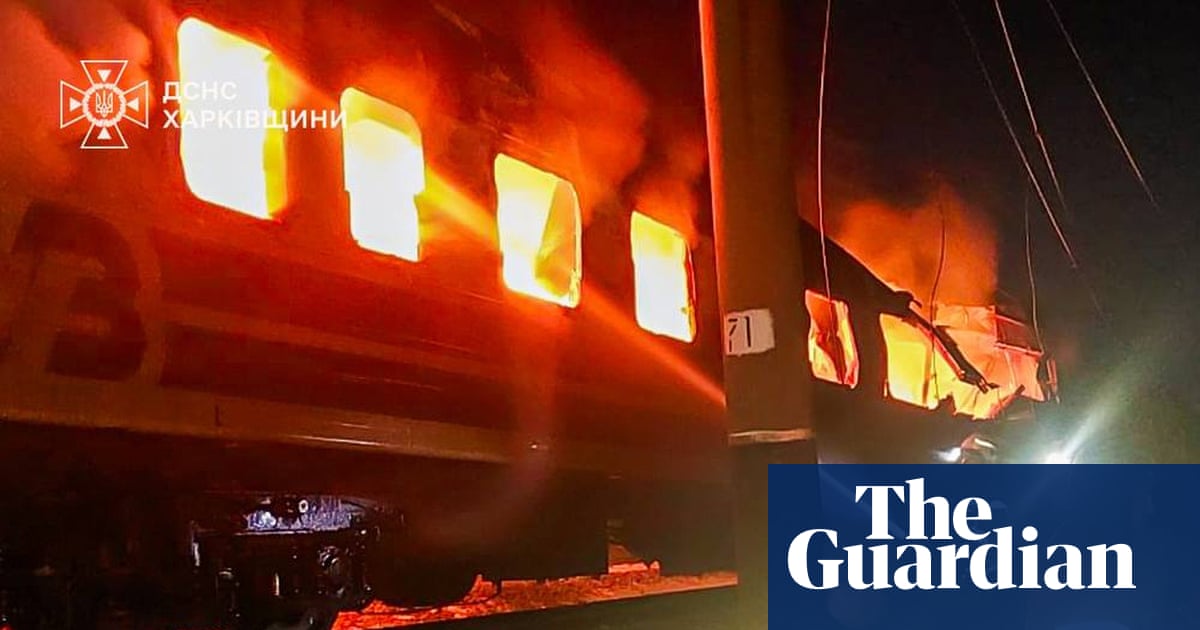
In the early hours of January 27, 2026, a Russian drone struck a passenger train in Ukraine's Kharkiv region, resulting in the tragic deaths of at least five civilians and injuring several others. Eyewitness accounts describe a deafening explosion that shattered the quiet dawn, derailing carriages and engulfing parts of the train in flames. The train was carrying families, workers, and ordinary commuters fleeing frontline areas or heading to safer regions, transforming a routine journey into a scene of unimaginable horror.
Survivor Olena Kovalenko, 42, a mother of two, recounted her experience: "One moment we were sharing tea; the next, screams everywhere. My son shielded me, but shards cut deep." Families of the victims, including Mykola Petrenko, a 58-year-old retiree, mourned publicly. His daughter expressed her grief on social media, questioning the targeting of civilians: "Papa was just going home. Why target us? #KharkivTrainAttack." Ukrainian emergency services confirmed that the strike was precise, targeting civilian infrastructure with no military presence nearby.
Historical Context of Civilian Targeting
This attack is part of a disturbing trend of Russian drone strikes on civilian transport since the conflict escalated. On December 31, 2025, a drone hit Odesa, injuring six civilians near transport hubs. That same day, strikes targeted the Kyiv region and another in Odesa, alongside explosions in occupied Melitopol during a Ukrainian offensive. These incidents echo earlier assaults on trains and buses from 2024 to 2025, highlighting the ongoing vulnerability of non-combatants. Ukrainian authorities have documented over 100 civilian transport attacks since mid-2024, severely eroding safe passage in eastern Ukraine.
The Broader Impact on Civilian Life
Beyond the immediate fatalities, such strikes have a profound impact on civilian morale and daily life. Families like the Kovalenkos now hesitate to board trains, fearing for their safety. Public transport in Kharkiv and beyond—essential for evacuation and supplies—faces shutdowns, leaving thousands stranded. Communities report rising anxiety; a Kyiv-based psychologist noted in a social media thread: "PTSD cases are up 40% post-strikes—people can't even shop without dread." The damage to infrastructure exacerbates winter hardships, delaying aid and isolating vulnerable groups, including the elderly and children.
Looking Ahead: The Future for Ukraine
As winter deepens, experts predict intensified Russian drone campaigns aimed at disrupting morale and infrastructure. Analysts suggest that civilian casualties could rise by 20-30% in the coming months, mirroring patterns observed in 2024. International responses may strengthen; President Zelensky's condemnation on social media has amplified calls for enhanced air defenses from NATO allies. Anticipate EU sanctions on drone components and accelerated deliveries of F-16s. However, without increased aid, Ukraine's skies will remain perilous for its citizens.
This is a developing story. The death toll and details remain partially unconfirmed pending official tallies.






