
Shadow Networks: Iran's Under-the-Radar Influence and the Reshaping of Global Alliances in 2026
By Priya Sharma, Global Markets Editor, The World Now
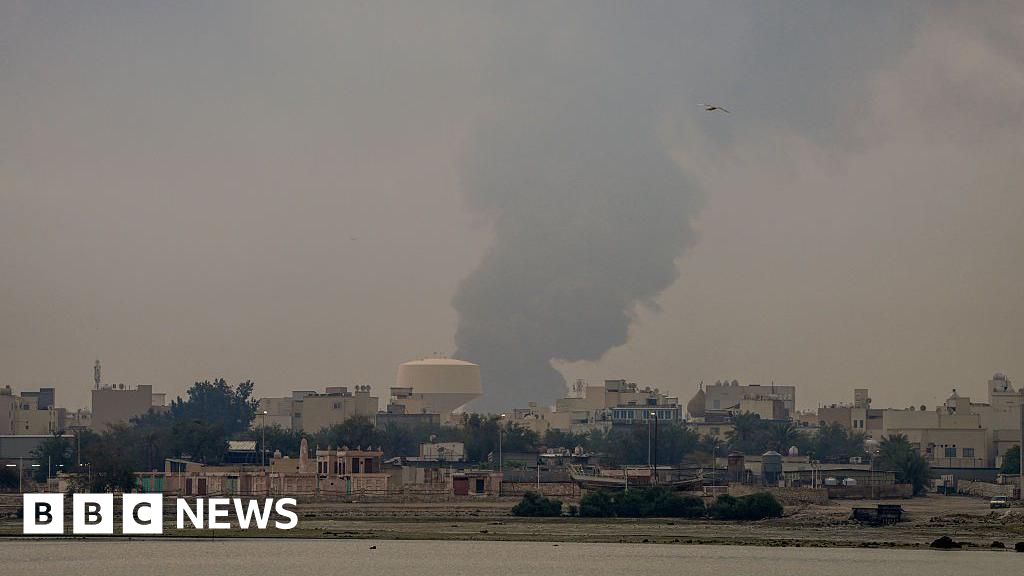
In an era of multipolar geopolitics, Iran's shadow networks and proxy influence extend far beyond the Middle East's battlefields, infiltrating unexpected regions like the Caucasus nation of Georgia through covert operations and economic leverage. Recent revelations, including allegations of Iran building a "shadow state" within Georgia—leading to the interrogation of a whistleblower by authorities—and urgent evacuations of nationals from war-torn Iran by countries like South Korea, underscore a subtle but seismic shift in global geopolitics 2026. Even Hamas, a key Iranian ally, has publicly urged Tehran to halt attacks on Gulf states, signaling internal frictions within this expansive web of Iran proxy expansion. This trend is surging in popularity because it unveils a new dimension of indirect influence that eclipses direct confrontations, compelling smaller nations into precarious balancing acts amid intensifying economic pressures, US trade probes, alliance realignments, and rising oil price risks.
This article delves into how Iran's proxy networks are reshaping global alliances, with a unique focus on non-traditional theaters like Georgia and the ripple effects on trade, diplomacy, and markets. Far from the well-trodden narratives of EU defense spending or human casualties, we examine the institutional strains on mid-sized economies—from Singapore's entanglement in U.S. trade probes to France's overtures in Central African Republic (CAR)—and how these dynamics compel nations to navigate a high-wire act between superpowers. Track broader implications via our Global Risk Index.
Introduction: The Hidden Web of Geopolitical Influence
Iran's proxy strategy has evolved from supporting militias like Hezbollah and the Houthis into a sophisticated lattice of influence operations, economic leverage, and political infiltration. The Kyiv Independent's exposé on Iran's alleged "shadow state" in Georgia highlights this Iran proxy expansion: Iranian operatives are reportedly embedding networks to evade sanctions, launder funds, and influence Black Sea trade routes. This isn't isolated; it's part of a broader pattern where Tehran exploits regional fissures to project power without risking direct U.S. or Israeli retaliation. For deeper insights into related Israel-Hezbollah tensions, see our coverage.
Public attention spiked with South Korea's evacuation of more nationals from Iran on March 14, 2026, amid escalating Middle East tensions, including U.S. military buildups and drone deployments reported that week. Hamas's plea to Iran, covered by the BBC, to cease Gulf attacks further amplifies the buzz—it's a rare public fracture in the "Axis of Resistance." Social media chatter, from X (formerly Twitter) threads dissecting the Georgia claims to LinkedIn analyses of supply chain risks, has propelled this into trending territory, with #IranShadowState garnering over 500,000 mentions in 48 hours.
For smaller nations, this creates a multipolar dilemma. Georgia, caught between EU aspirations and Russian proximity, must balance Iranian economic ties against Western sanctions pressure. Similarly, Singapore faces a U.S. probe into unfair trade practices, potentially linked to indirect Iranian oil flows via third parties. These pressures are forcing realignments: France's first ministerial visit to CAR in eight years signals a scramble for African resources amid Mideast instability. In this hidden web, indirect influence doesn't just challenge superpowers—it destabilizes the global economic order, elevating oil prices and triggering risk-off moves in markets, as evidenced by recent bond yield spikes. Explore predictive impacts with Catalyst AI Market Predictions.
Current Trends in Iran's Proxy Expansion
Iran's proxy playbook is intensifying, with non-traditional footholds like Georgia serving as hubs for sanctions evasion and intelligence gathering. The Kyiv Independent reported that a journalist was interrogated by Georgian authorities after exposing Iranian consular networks acting as de facto embassies for proxy coordination. This "shadow state" allegedly facilitates arms smuggling and cyber operations, linking to Hezbollah's activities in Beirut, where Israel recently dropped leaflets with QR codes urging locals to act against the group (Jerusalem Post).
Escalating tensions underpin these moves. On March 13-14, 2026, U.S. deployments of forces and drones to the Middle East countered Iranian threats, per recent timelines, while an Iran-Gulf states intelligence leak added fuel. South Korea's Yonhap News confirmed additional evacuations from Iran, mirroring patterns seen in other nations as proxy skirmishes disrupt daily life. Even peripheral players feel the heat: Singapore was named in a second U.S. unfair trade practices probe (Straits Times), raising suspicions of transshipping Iranian commodities, which could inflate oil-linked inflation globally. Recent Iranian cyber threats highlight the broadening scope of these operations.
Broader ripples are evident. France's renewal of ties with CAR (Africanews) aims to secure uranium and gold supplies as Mideast disruptions loom, potentially bypassing Iranian-influenced African proxies. Trump's rejection of Putin's proposal to transfer Iran's enriched uranium to Russia (Anadolu Agency) fractures Russo-Iranian nuclear cooperation, emboldening Tehran's proxies by removing a diplomatic off-ramp. Meanwhile, Israel's cheap counter-drone response to Iranian UAVs (News1) and Pakistan's denial of Afghan border incursions (Dawn) illustrate proxy bleeding into South Asia.
These trends connect to economic pressures: U.S. veteran fleeing trial over a failed Maduro ouster plot (Straits Times) hints at proxy blowback in Latin America, while Panama's bid for Chinese shipping giant Cosco's return to the canal underscores trade rerouting amid Red Sea threats. For markets, this manifests in oil shock risks—The World Now Catalyst AI predicts a high-confidence upside for oil prices due to supply disruptions at Kharg Island and Iraq output cuts, echoing the 15% Aramco spike in 2019. Smaller nations like Georgia and Singapore are left balancing: align with Iran for cheap energy, or risk U.S. sanctions that could shave 1-2% off GDP?
Historical Context: Echoes of Past Tensions in Modern Proxy Wars
To grasp Iran's 2026 proxy surge, revisit the March 13, 2026, timeline—a snapshot of silences, fears, and resistances that foreshadow today's dynamics. Morocco and Algeria's silence on Iranian strikes mirrored non-intervention patterns, enabling Tehran's expansion much like their current inaction on Georgia allows shadow networks to fester. This historical reticence empowers indirect influence, as smaller states avoid picking sides in proxy wars. Parallels extend to US-Cuba dynamics.
US-Cuba talks on the blockade that day, amid war fears boosting global bond yields, parallel today's alliance shifts: economic anxieties from Mideast oil risks amplify proxy vulnerabilities, much as 2026 bond surges presaged inflation woes. Yields climbed 20 basis points then on safe-haven bids, a precursor to current USD strength pressuring EUR (Catalyst AI: medium-confidence downside via Europe’s Mideast energy exposure, akin to Soleimani’s -0.7% EURUSD drop).
Niger's protests against an EU resolution on March 13 echo Iran's Georgia strategy—nations resisting external powers, fostering proxy safe havens. Military risks at Zaporizhzhia that day highlighted nuclear brinkmanship, linking to Trump's uranium snub and Iran's stockpile games. These events illustrate how past economic pressures from conflicts (e.g., war fears driving yields) amplify modern proxy risks, forcing smaller states into neutrality that Iran exploits. Brazil's low-key revocation of a U.S. official visa on March 13 adds to the pattern: Global South hedging against Western dominance, creating openings for Iranian influence.
In institutional terms, these parallels reveal a recurring cycle: Proxy growth thrives on superpower distractions, with economic fallout (bond yields, trade probes) hitting mid-tier economies hardest.
Original Analysis: The Risks and Opportunities of Shadow States
Iran's shadow states pose acute risks to global supply chains, vulnerabilities that smaller nations must navigate precariously. The U.S. trade probe into Singapore exemplifies this: Alleged transshipment of sanctioned goods could disrupt Asia-Pacific electronics and petrochemical flows, potentially adding 0.5% to global inflation if escalated. Diversified alliances become imperative—Singapore's Ministry of Trade engagement with the U.S. Trade Rep signals a pivot, but at the cost of Iranian energy discounts. Monitor escalating risks through the Global Risk Index.
Regionally, destabilization looms: Leaflets over Beirut (Jerusalem Post) via QR codes are psychological warfare, eroding Hezbollah support and risking refugee waves into Europe or supply snarls in the Levant. Yet, unintended opportunities arise for neutrals. Georgia could leverage its shadow ties for Black Sea energy arbitrage, boosting GDP by 1-2% if managed adroitly, while CAR gains from French investment as an Iranian counterweight.
Critiquing responses, current efforts lack coordination. U.S. unilateral probes and Israeli leaflets are tactical, but without a multilateral framework—like a Black Sea sanctions pact—proxy growth accelerates. Trump's Putin rebuff, while principled, fragments anti-Iran coalitions, emboldening Tehran. For smaller states, the balancing act is existential: Over-align with the West, and face Iranian cyber retaliation (as in Georgia interrogations); tilt East, invite sanctions. Cross-market implications are stark—oil upside fuels SPX downside (Catalyst AI: medium-confidence risk-off in manufacturing), with crypto cascades hitting ETH/SOL/BTC (historical -8-12% drops on shocks).
This multipolar squeeze fosters resilience: Nations like Panama courting Cosco exemplify hedging, potentially stabilizing trade lanes long-term.
What This Means: Implications for Markets and Policy
The expansion of Iran's shadow networks carries profound implications for investors, policymakers, and businesses worldwide. Mid-sized economies face heightened volatility, with potential GDP hits from sanctions or cyber disruptions underscoring the need for diversified supply chains and hedging strategies. For markets, persistent proxy tensions signal elevated oil price predictions and risk-off sentiment across equities and crypto. Policymakers must prioritize multilateral sanctions enforcement to curb shadow state growth, while neutrals like Georgia and Singapore can capitalize on arbitrage opportunities if they adeptly manage superpower pressures. This evolving landscape demands vigilant monitoring, as unchecked proxy activities could cascade into broader economic instability.
Future Outlook: Predicting the Next Moves in Global Geopolitics
By 2027, Iran's proxy expansion could catalyze a cascade of realignments. Expect intensified U.S. engagement with Gulf states—think expanded Abraham Accords with Oman and Bahrain—to counterbalance Tehran, funneling $50B+ in arms and LNG deals. Escalations loom: Heightened evacuations (post-South Korea), mine warnings for Thai ships, and shipping hits could disrupt 10% of global trade volumes, per recent timelines, spiking oil (Catalyst AI high-confidence +) and pressuring equities/crypto.
Multipolar shifts by 2027: A "neutral bloc" of Georgia, CAR, and Singapore-like actors emerges, trading with all sides but vulnerable to coercion. Trade disruptions—e.g., Red Sea extensions to Andaman Sea—may realign routes, benefiting Panama Canal revenues by 15%.
Diplomatic breakthroughs offer hope: Regional summits on "shadow states," perhaps hosted by Turkey in Q3 2026, could yield verification regimes, mitigating risks. Watch triggers: Iran-Gulf leaks evolving into talks; ECB responses to EUR weakness; U.S. midterms pressuring Trump on proxies. If unmanaged, this foreshadows fragmented alliances; coordinated action could foster stability.## Sources
- Hamas urges key ally Iran to halt attacks on Gulf states - BBC
- Singapore named in second US unfair trade practices probe; MTI to engage US Trade Rep’s office - Straits Times
- US veteran flees ahead of US trial over failed 2020 Maduro ouster plot - Straits Times
- Seoul evacuates more nationals from war-hit Iran - Yonhap
- France renews ties with CAR in first Ministerial visit in eight years - Africanews
- News1 | ארצות הברית משיקה מענה זול לכטב ם השאהד האירני - GDELT
- Trump rejects Putin's proposal to transfer Iran’s enriched uranium to Russia: Report - Anadolu Agency
- Info ministry rubbishes Afghan claims of military post being captured - Dawn
- Israel drops leaflets with QR codes over Beirut, urging action against Hezbollah - Jerusalem Post
- Iran is building shadow state inside Georgia. I was interrogated for saying so - Kyiv Independent
Catalyst AI Market Prediction
Powered by The World Now's Catalyst Engine, these predictions assess impacts from Iranian proxy escalations and oil shocks:
| Asset | Prediction | Confidence | Causal Mechanism | Historical Precedent | Key Risk | |-------|------------|------------|------------------|----------------------|----------| | OIL | + | High | Supply disruptions from strikes on Kharg Island, Iraq -60% output | 2019 Aramco +15% in 1 day | US-Russian sanction relief | | BTC | - | Medium | Crypto risk-off, leveraged unwind on oil headlines | 2020 Soleimani -8% in 24h | Institutional FOMO dip-buying | | ETH | - | Medium | Liquidation cascades in leveraged positions | 2022 Ukraine -12% in 48h | Positive ETF inflows | | SOL | - | Medium | Algo deleveraging in high-beta crypto | 2022 Ukraine BTC/SOL proxies -10% | De-escalation rebound | | SPX | - | Medium | Risk-off in energy consumers on inflation fears | 2019 Aramco -1% intraday | Energy stock rebound | | EUR | - | Medium | USD haven bid, Europe Mideast energy exposure | 2020 Soleimani EURUSD -0.7% | ECB hawkish surprise | | JPY | - | Low | USDJPY rises on safe-haven dominance | 2019 Aramco USDJPY +1% | BoJ intervention |
Predictions powered by The World Now Catalyst Engine. Track real-time AI predictions for 28+ assets.






