
Settler Attacks Near Jericho Displace 20 Palestinian Bedouin Families Amid Escalating West Bank Tensions
JERICHO, West Bank — Illegal settler attacks have forced the displacement of 20 Palestinian families from a Bedouin community near Jericho, marking a significant escalation in civil unrest in the region, according to reports from a rights group. The incidents, which began on January 8, 2026, have drawn international attention, including condemnation from Pope Francis in his annual address to diplomats, where he lamented ongoing violence in the West Bank.
The attacks occurred in a Bedouin community located in the Jordan Valley area near Jericho, a historic city in the West Bank known for its ancient archaeological sites and as one of the oldest continuously inhabited cities in the world. Rights groups monitoring the situation classified the severity as medium, highlighting the displacement of families as a direct result of aggressive actions by Israeli settlers. Such incidents are part of a broader pattern of settler violence in the occupied territories, where communities face threats to their homes, livelihoods, and safety.
Details of the event indicate that the violence prompted families to flee their residences, exacerbating the humanitarian challenges faced by Palestinian Bedouin populations. These semi-nomadic communities have long resided in the area, relying on pastoral activities amid challenging arid conditions. The displacement underscores the vulnerabilities of these groups, who often lack formal land titles and face repeated pressures from settlement expansion.
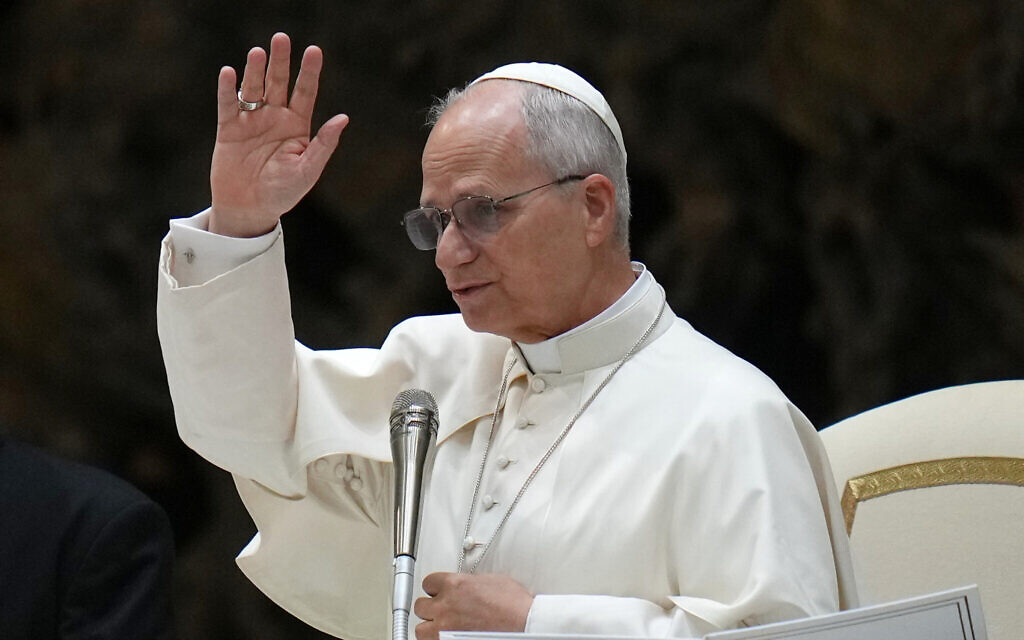
In a related development, Pope Francis addressed the West Bank violence during his foreign policy speech to diplomats on January 9, 2026—the first such annual address of his tenure. Speaking in English, the US-born pontiff stated that the Palestinian civilian population "has the right to live in peace in its own land." He denounced a "zeal for war" globally, linking it to conflicts including those in the Middle East. The Pope's remarks came amid heightened diplomatic scrutiny of the region, positioning the West Bank unrest within a larger call for peace and restraint.
Background on West Bank Settler Violence
The West Bank, under Israeli military administration since the 1967 Six-Day War, has been a flashpoint for tensions between Israeli settlers and Palestinian residents. International law, including UN Security Council Resolution 2334 adopted in 2016, deems Israeli settlements in the territory illegal, as they are built on land occupied during the war. Over 700,000 Israeli settlers now live in the West Bank and East Jerusalem, according to data from the UN Office for the Coordination of Humanitarian Affairs (OCHA).
Settler violence has surged in recent years. OCHA reports document thousands of incidents annually, including attacks on property, olive harvests, and physical assaults. In 2023 alone, there were over 1,200 recorded attacks by settlers on Palestinians, the highest in nearly two decades. These acts often involve arson, stone-throwing, and intimidation, frequently occurring under the protection or inaction of Israeli security forces. Palestinian authorities and human rights organizations, such as B'Tselem and Human Rights Watch, have repeatedly called for accountability, while Israel maintains that most incidents are isolated and that its forces respond accordingly.
The Jericho area, part of Area C under the Oslo Accords—fully controlled by Israel—has seen intensified settlement activity. Bedouin communities here, like those affected in this case, are particularly at risk due to plans for settlement outposts and military zones. The European Union and UN have funded relocation efforts for some groups, but critics argue these displace Palestinians further.
Pope Francis's intervention aligns with the Vatican's longstanding advocacy for a two-state solution and protection of holy sites. His speech also addressed broader global conflicts, from Ukraine to Gaza, framing West Bank violence as part of a "zeal for war" that threatens international stability. The pontiff's English-language remarks underscore his appeal to a global audience, including the United States, a key player in Israeli-Palestinian peacemaking.
Regional Context and Responses
This displacement occurs against the backdrop of the ongoing Israel-Hamas war in Gaza, which began on October 7, 2023, following a deadly attack by Hamas militants. Spillover violence in the West Bank has intensified, with Palestinian Authority President Mahmoud Abbas reporting over 500 Palestinian deaths in the territory since then, per official figures. Israeli officials attribute much unrest to Palestinian militants, while settler groups defend their actions as self-protection.
Rights groups, including those tracking the Jericho incident, have urged immediate intervention from Israeli authorities to halt further attacks and provide aid to displaced families. The UN has called for investigations into settler violence, emphasizing compliance with international humanitarian law.
As of January 10, 2026, no official Israeli response to the specific Jericho displacement has been reported, though military patrols in the area were increased following the initial attacks. Palestinian officials condemned the events as part of a "systematic campaign" to empty the Jordan Valley of its Arab population.
Outlook
The Pope's address signals potential for renewed diplomatic pressure on the West Bank situation, particularly as it coincides with upcoming international forums like the UN Security Council. For the displaced Bedouin families, immediate humanitarian support remains critical, with aid organizations mobilizing tents and supplies. While the medium-severity classification suggests no widespread escalation yet, the pattern of settler-Palestinian clashes risks broader instability in this volatile region.
The international community continues to monitor developments closely, balancing calls for Palestinian rights with Israel's security concerns. Resolution of such incidents will depend on enforcement of existing agreements and de-escalation efforts on all sides.
(Word count: 712)






