
Series of Earthquakes Shake Peru in Late December 2025 and Early January 2026
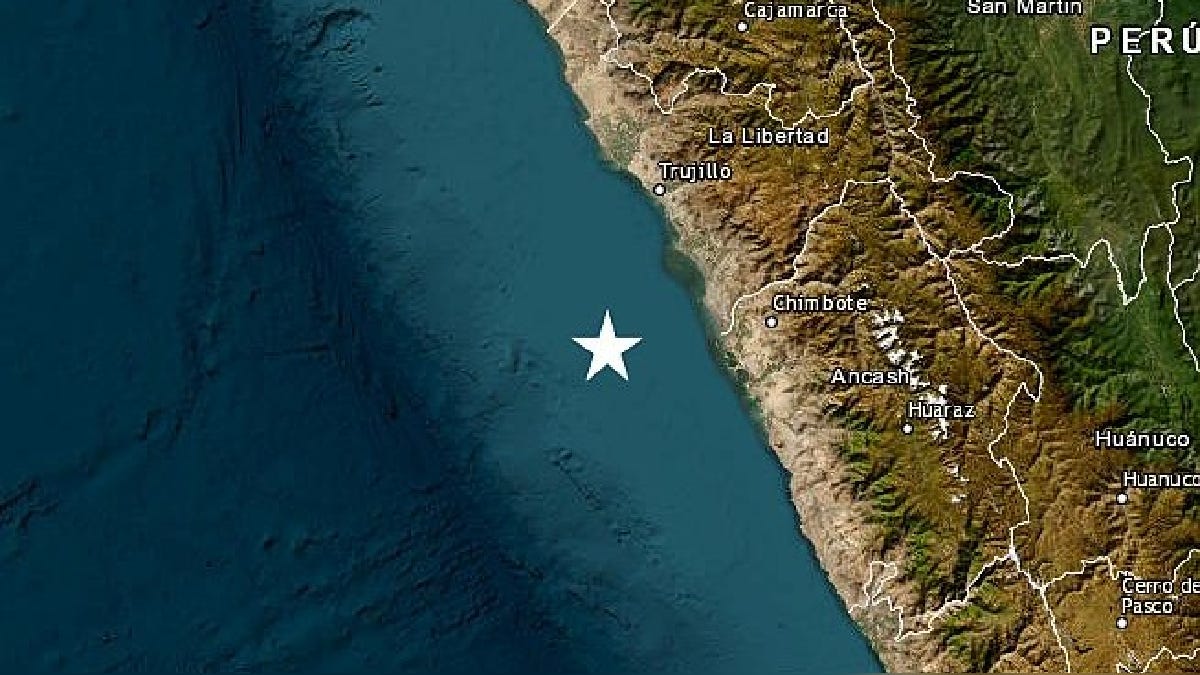
A series of significant seismic events has recently struck Peru, beginning with a powerful 6.2 magnitude earthquake that occurred on December 28, 2025. The tremor, which struck at 2:51 AM UTC, was centered 36 kilometers west of Puerto Santa and registered at a depth of 66 kilometers. This earthquake has been classified as of high severity, raising concerns about potential damage and safety in the affected areas.
Following the initial quake, a second, moderate earthquake measuring 5.0 in magnitude hit the same vicinity later that same day at 11:19 PM UTC. This tremor was recorded at a depth of 68 kilometers and, while less severe than the earlier quake, still posed risks to the local population and infrastructure.
The seismic activity did not cease with these events, as Peru experienced additional tremors in the following days. On January 2, 2026, a medium-strength tremor was reported, with specific details regarding its location still being verified. Earlier that morning, a magnitude 4.2 earthquake shook the Lima region at 4:37 AM UTC, further contributing to the ongoing series of seismic disturbances.
Additionally, another earthquake measuring 4.6 in magnitude occurred on December 28 at 1:09 PM UTC, located 103 kilometers west-southwest of San Vicente de Cañete. This event, classified with lower severity, was recorded at a depth of 10 kilometers.
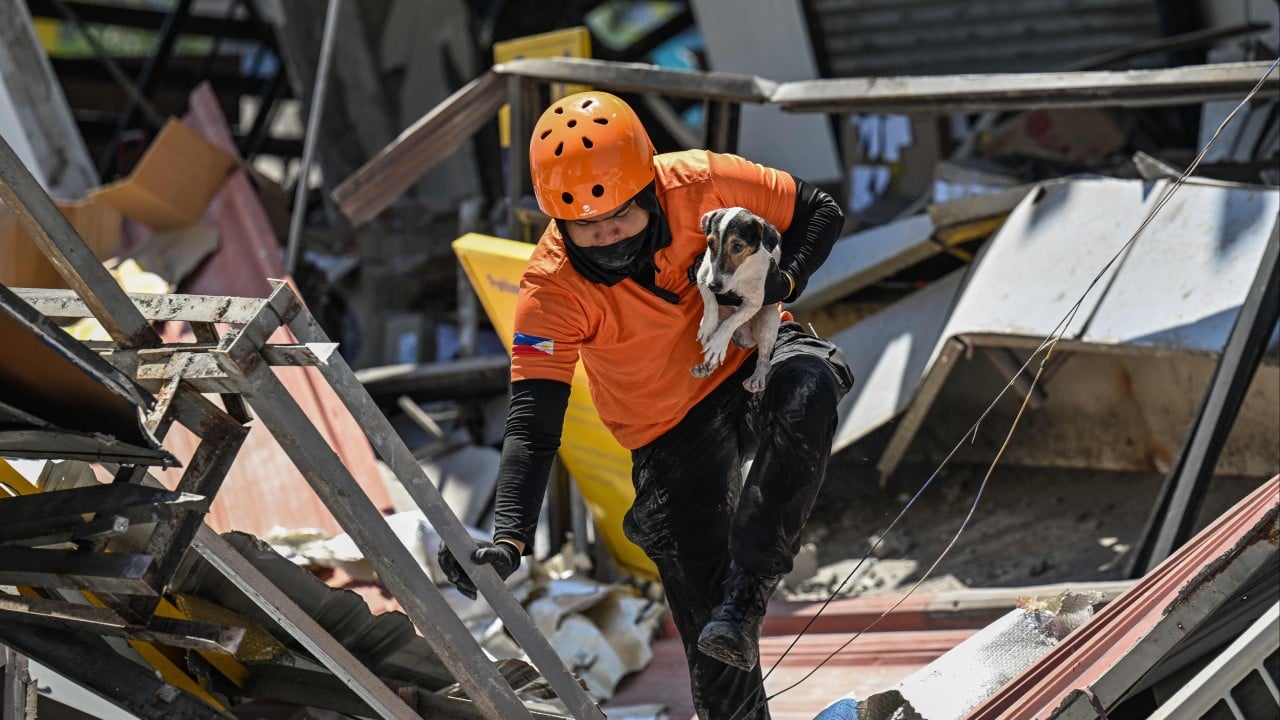
As of now, authorities are assessing the impact of these quakes. The high magnitude of the first earthquake raises concerns about structural damage and the safety of local communities. Reports indicate that emergency services are on alert, prepared to respond to any incidents that may arise due to the seismic activity.
Background
Peru is situated on the Pacific Ring of Fire, an area known for its high levels of tectonic activity, including frequent earthquakes and volcanic eruptions. The country has experienced numerous significant earthquakes in the past, leading to the development of building codes and emergency response strategies to mitigate the impact of future seismic events.
The recent earthquakes underscore the need for continued vigilance and preparedness in the region, particularly in light of the potential for aftershocks following a major quake. Local authorities and national agencies are likely to enhance monitoring efforts to ensure the safety of residents and to provide timely updates as more information becomes available.
Conclusion
The recent series of earthquakes in Peru highlights the country's ongoing struggle with seismic activity. While the immediate impacts of the quakes are still being assessed, the Peruvian government and emergency services remain on high alert to respond to any further developments or potential crises resulting from these natural events. As safety measures are implemented, the focus will be on ensuring the well-being of affected communities as they navigate the aftermath of these significant seismic occurrences.